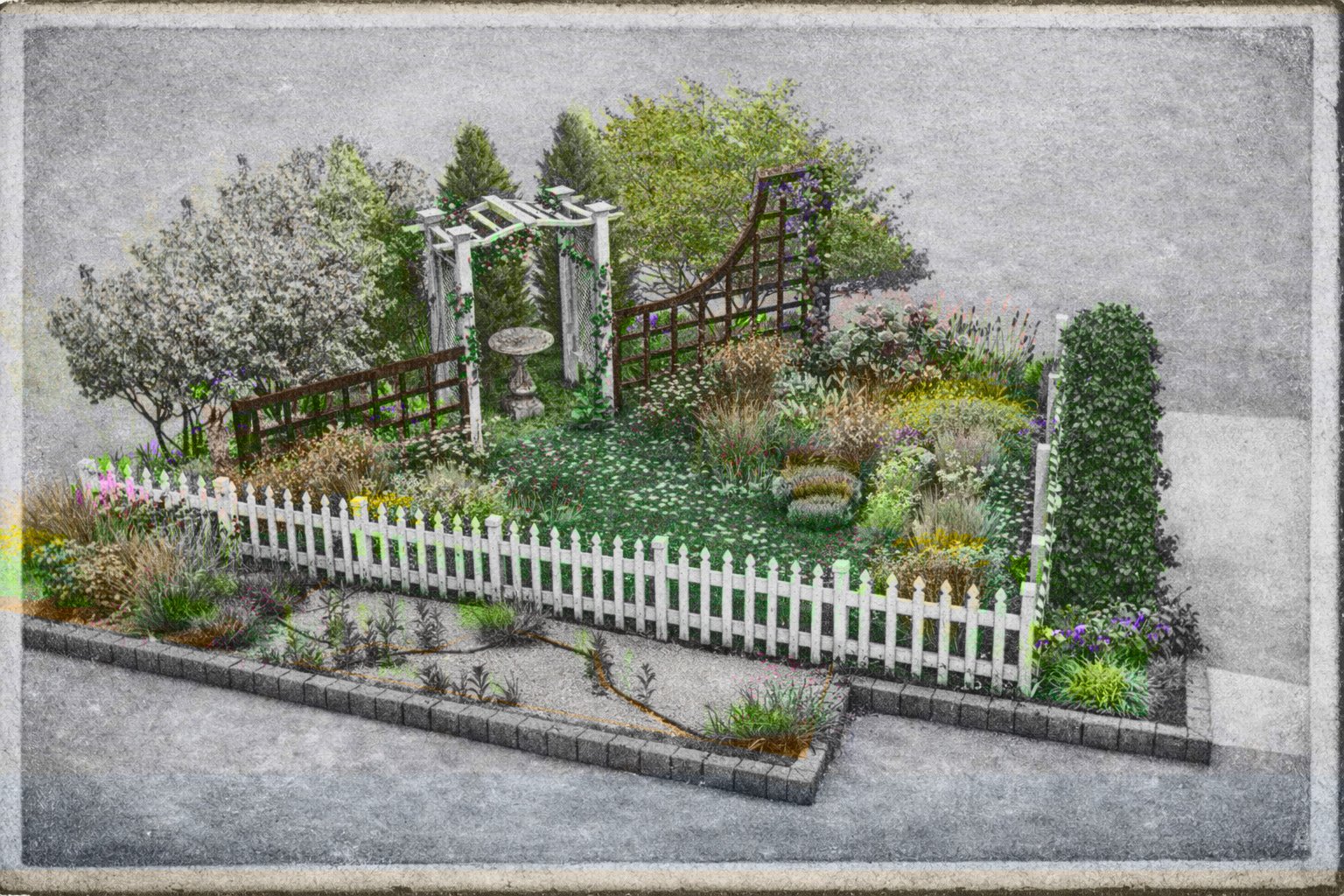
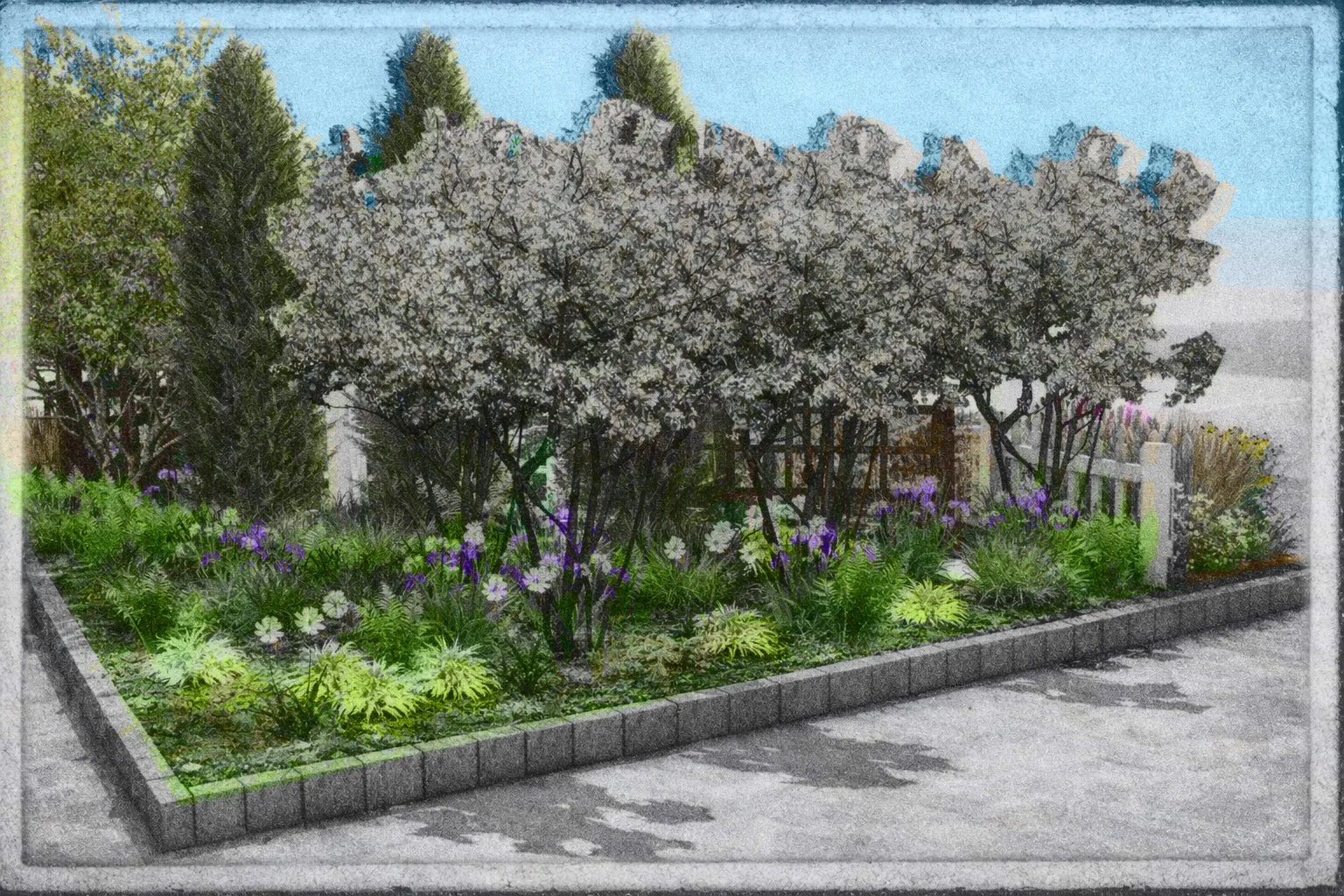
In the absence of its gardener, an ostensibly ornamental garden grows with the patina of time. Overcome with abundance, the garden blurs the lines between past and present, revealing the tension and elasticity of gardening with native plants in America over the last 250 years.
American Anemoia
Philadelphia, PA — a featured installation for the American Landscape Showcase at the 2026 Philadelphia Flower Show
As Philadelphia celebrates the 250th anniversary of American independence, the 2026 PHS Philadelphia Flower Show offers a chance to reflect on the gardening legacies we’ve inherited and the ones we’re growing for the future, shaped by people and plants from around the world.
Winner of the following awards…
Pennsylvania Horticultural Society Gold Medal
The Philadelphia Trophy
Special Achievement Award of the Garden Club Federation of Pennsylvania (awarded for unusual excellence in creativity for an exhibit under 1,000 square feet)
Anemoia (pronounced “an-uh-moi-uh”), from The Dictionary of Obscure Sorrows, describes nostalgia for a time never experienced. This horticultural still life, reimagined from an undated early 20th-century photograph, presents an inescapable paradox: from ground shaped by gardening, how do we make space for the garden as it is, not merely as it was once intended? Reflecting on 250 years of the American experiment, this allegorical garden acknowledges the complexities of horticultural history while posing timely questions about our relationship with the contemporary landscape.
Native plants have appeared in American gardens since before the nation’s founding, championed by early horticulturists like John Bartram. Initially valued for their beauty and novelty, these plants were living artifacts of an unfamiliar natural history. Today, a horticultural renaissance of native plants is driven by ecological urgency. Yet even this movement is shaped by anemoia and risks projecting ideals onto the land, mistaking nostalgia for a sense of place. The gardens we inherit are palimpsests, and we must reckon with those layers as much as we celebrate them.
American gardens have grown against the patchwork backdrop of our history, intertwined with broader societal values. As early as 1818, James Madison, the fourth U.S. president, implored citizens to live well with the land without destroying its character. Despite such early environmentalism, the equally American sentiments of capitalism, personal liberties, and manifest destiny have created a perpetual conflict across the nation’s landscape. Amid boundless imagination and ambition, how do we learn to value the landscape for its own sake? Could that be our next American act?
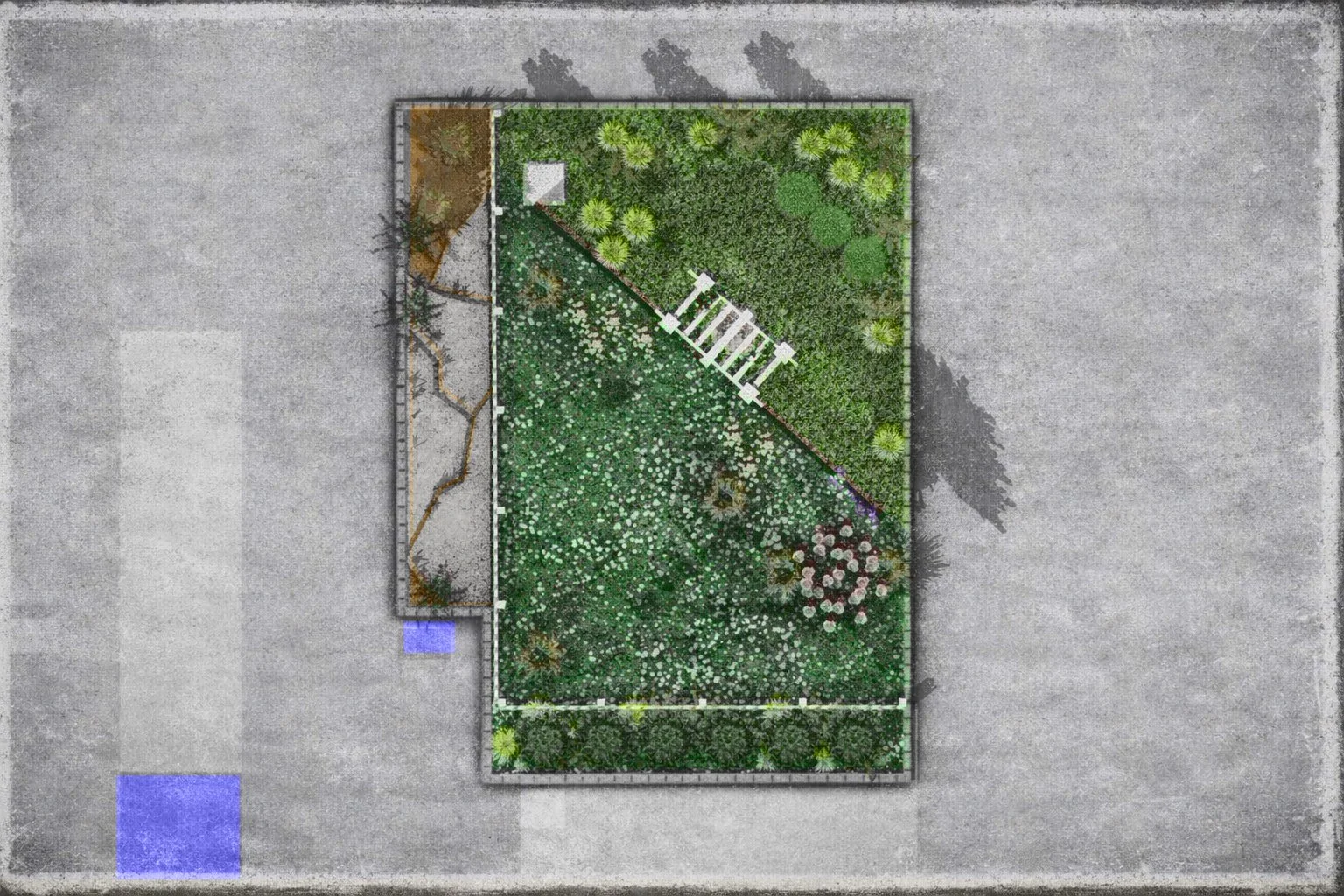
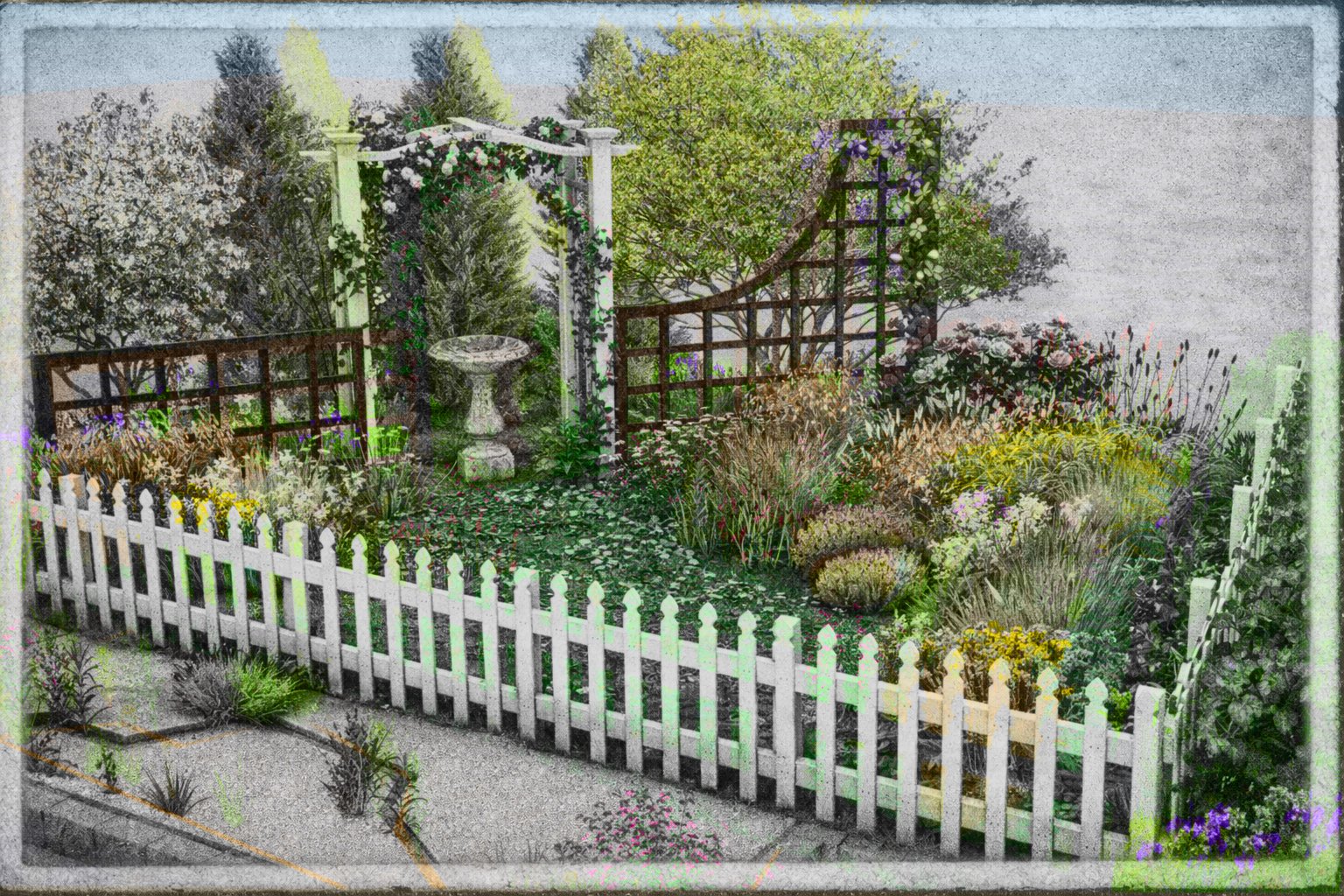
This garden grows from that historical inheritance within the familiar frame of a suburban American garden. Though seemingly ornamental, it relies on a predominantly native plant palette, including species introduced between the late 18th and early 20th centuries. Fashion, taste, and history converge as a former act of ornamental horticulture appears softened by untamed growth. Is the garden in ruin or reclamation, ahead of its time or growing into the moment? Did plants here arrive by bird or by trowel?
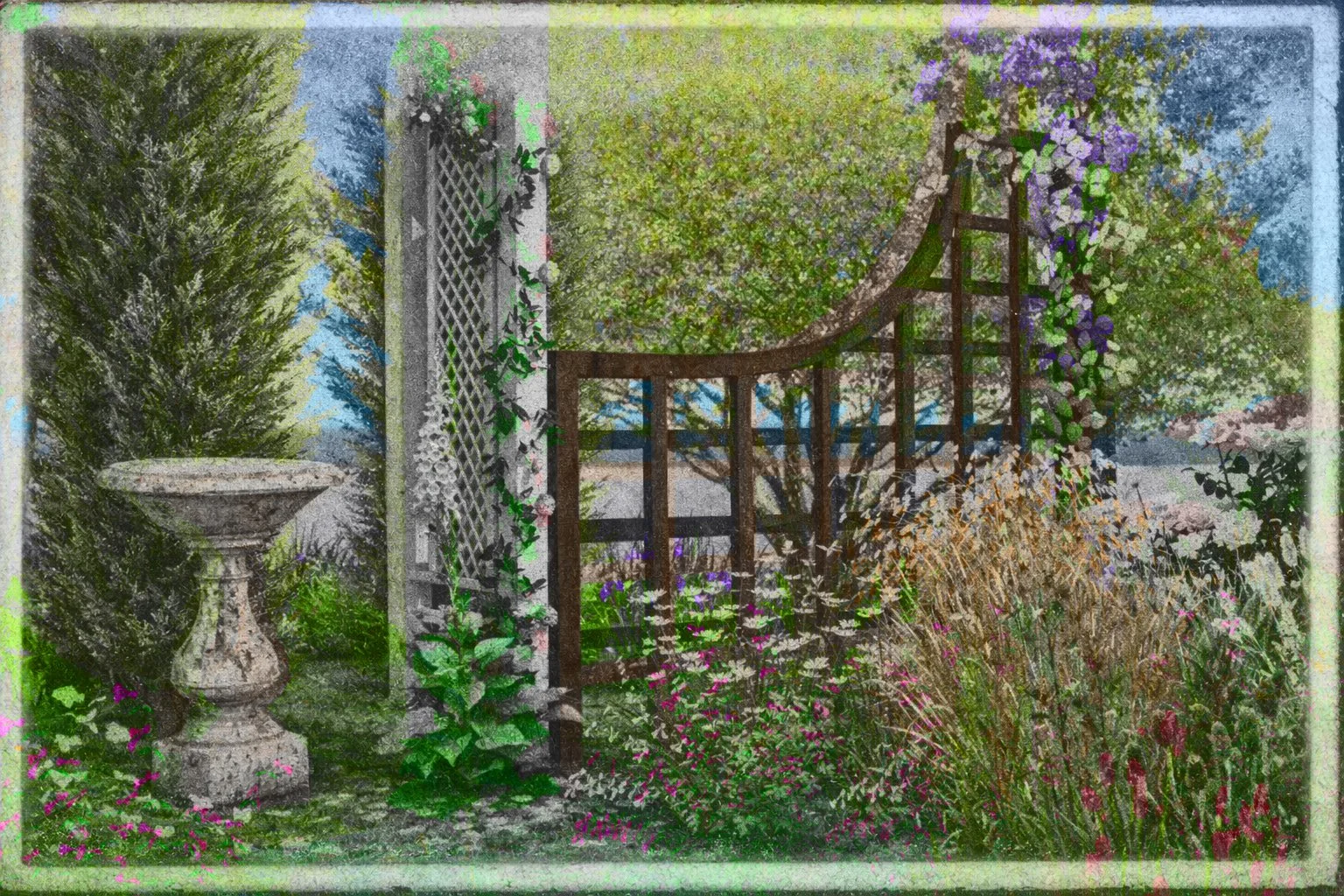
Absent its steward, the lawn grows shaggy with spring ephemerals, the fenceline isn't neatly trimmed, and the hedgerow haunts from beyond the arbor. A tendril of history coils towards the future. As abundance softens the rigidity of formal space, it also gently illustrates another route to American Eden.
Read more about the exhibit and its plants in the exhibition catalog.
Photography by Jaime Alvarez, unless otherwise noted.
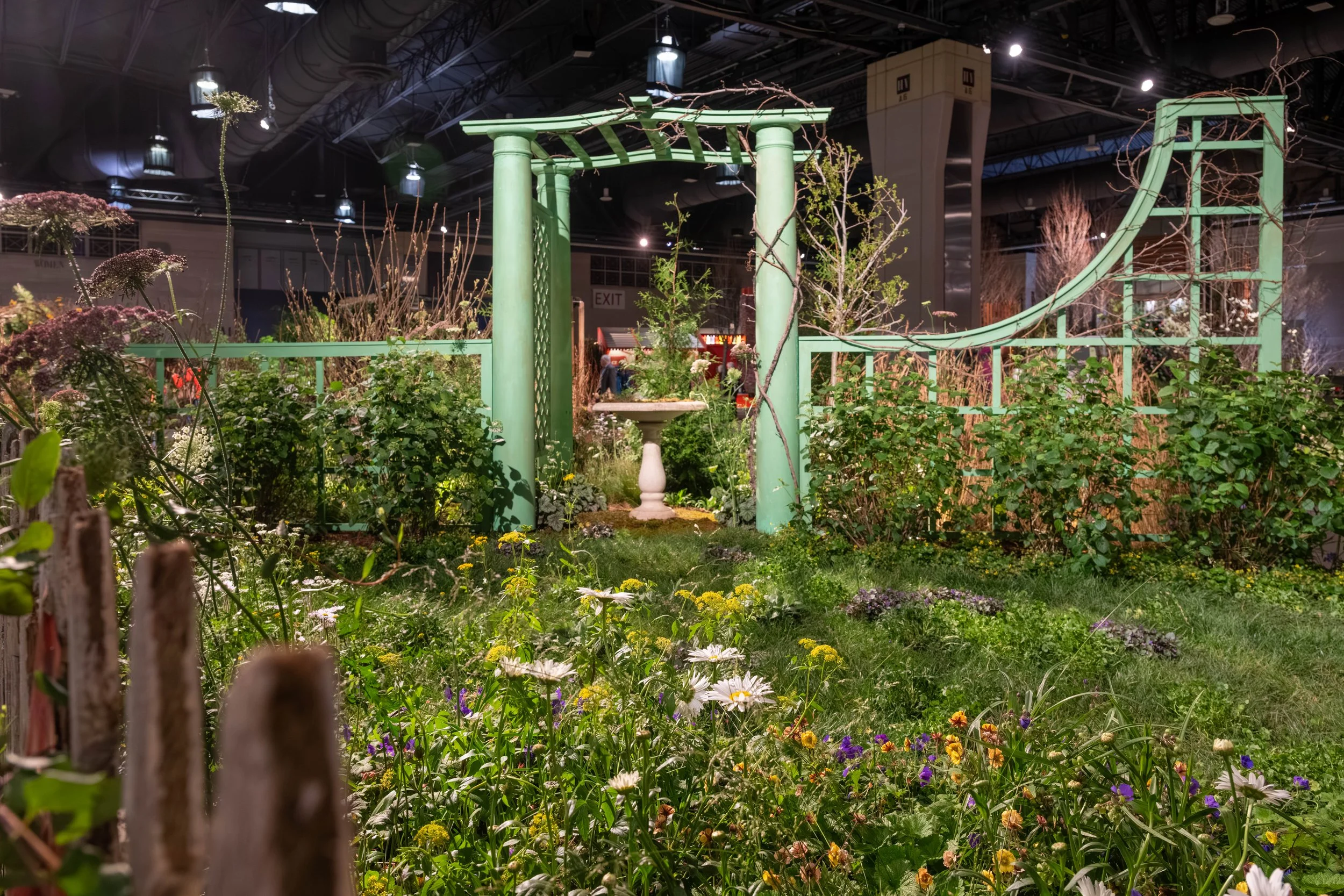
photo by Rob Cardillo
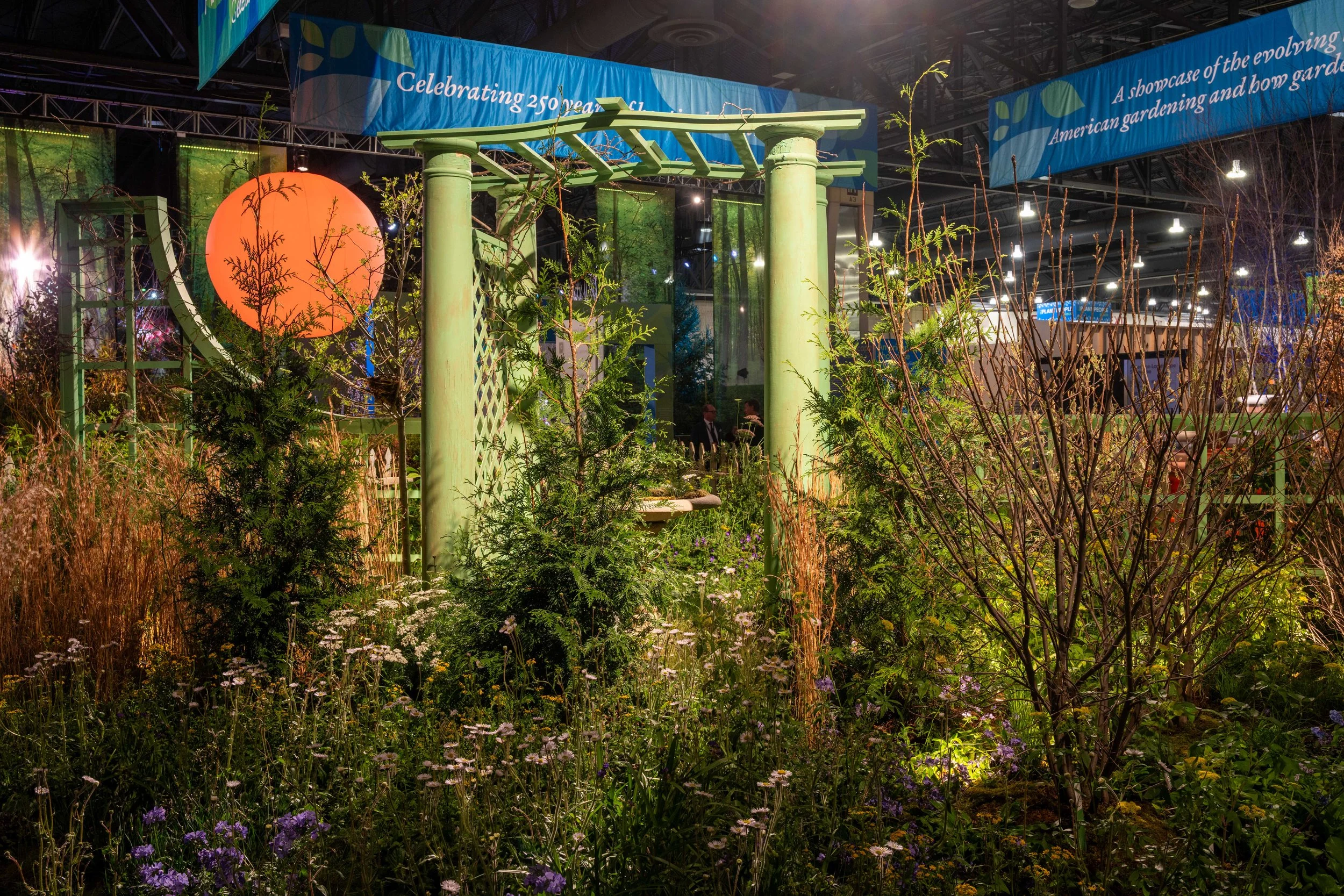
photo by Rob Cardillo
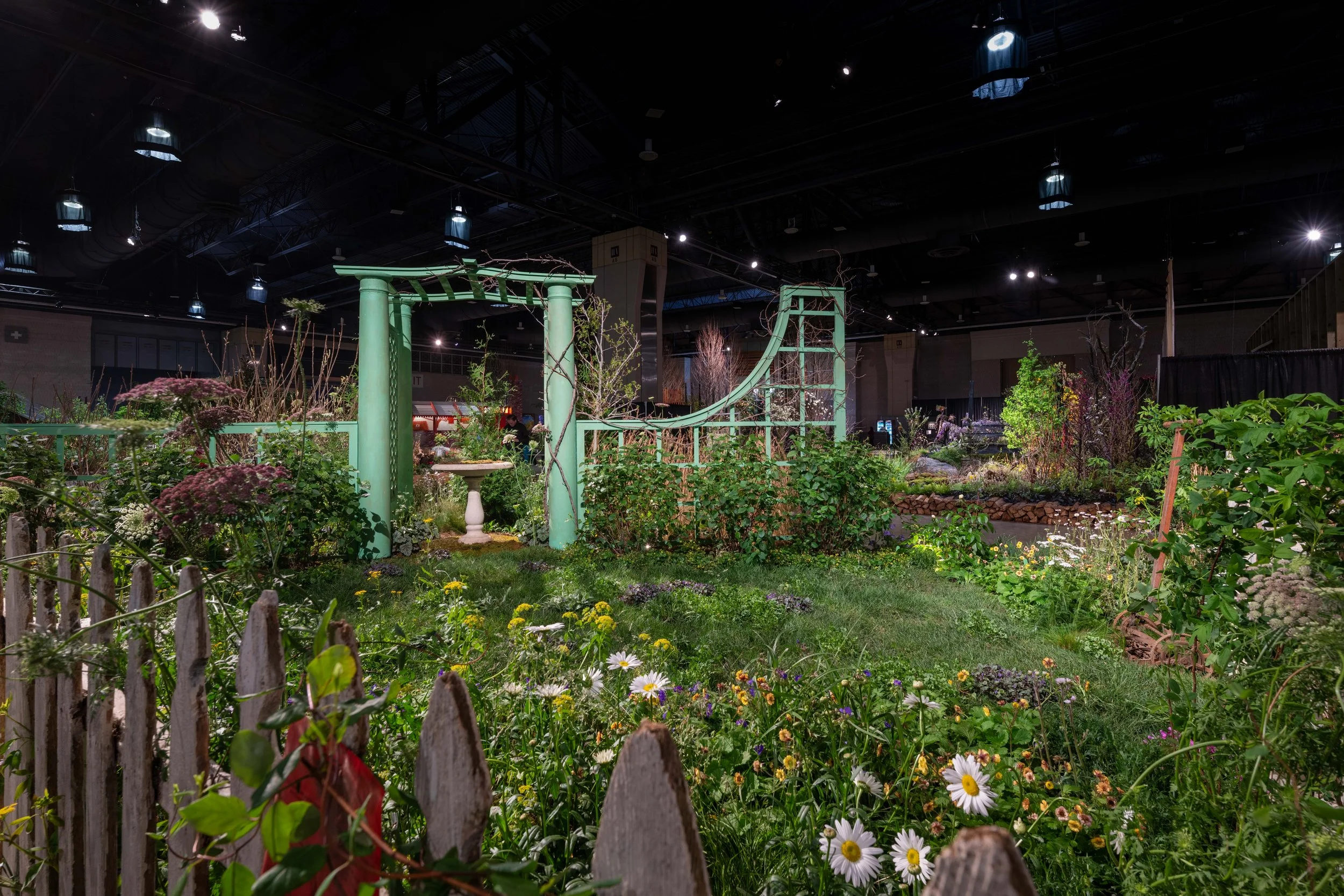
photo by Rob Cardillo
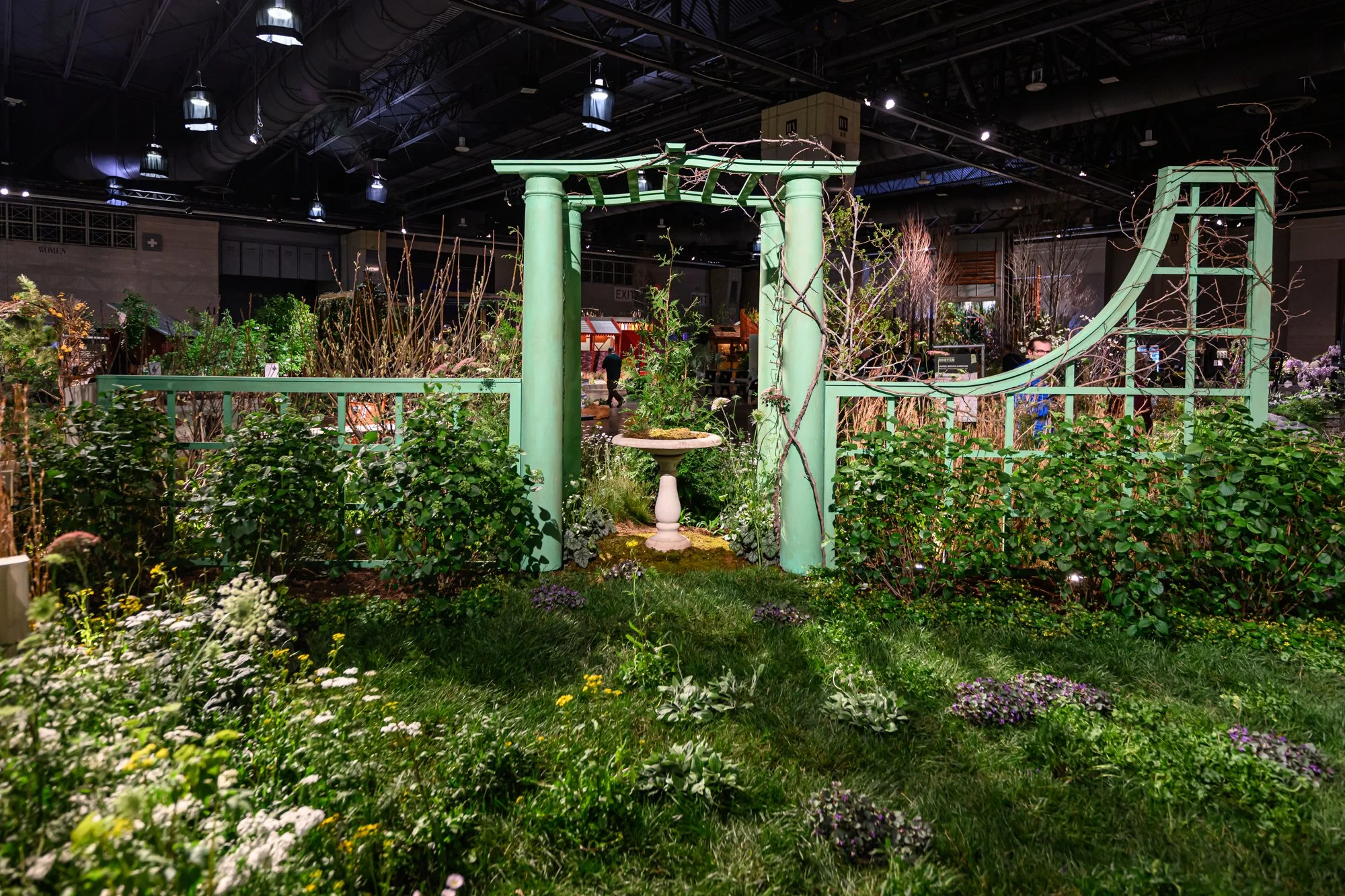
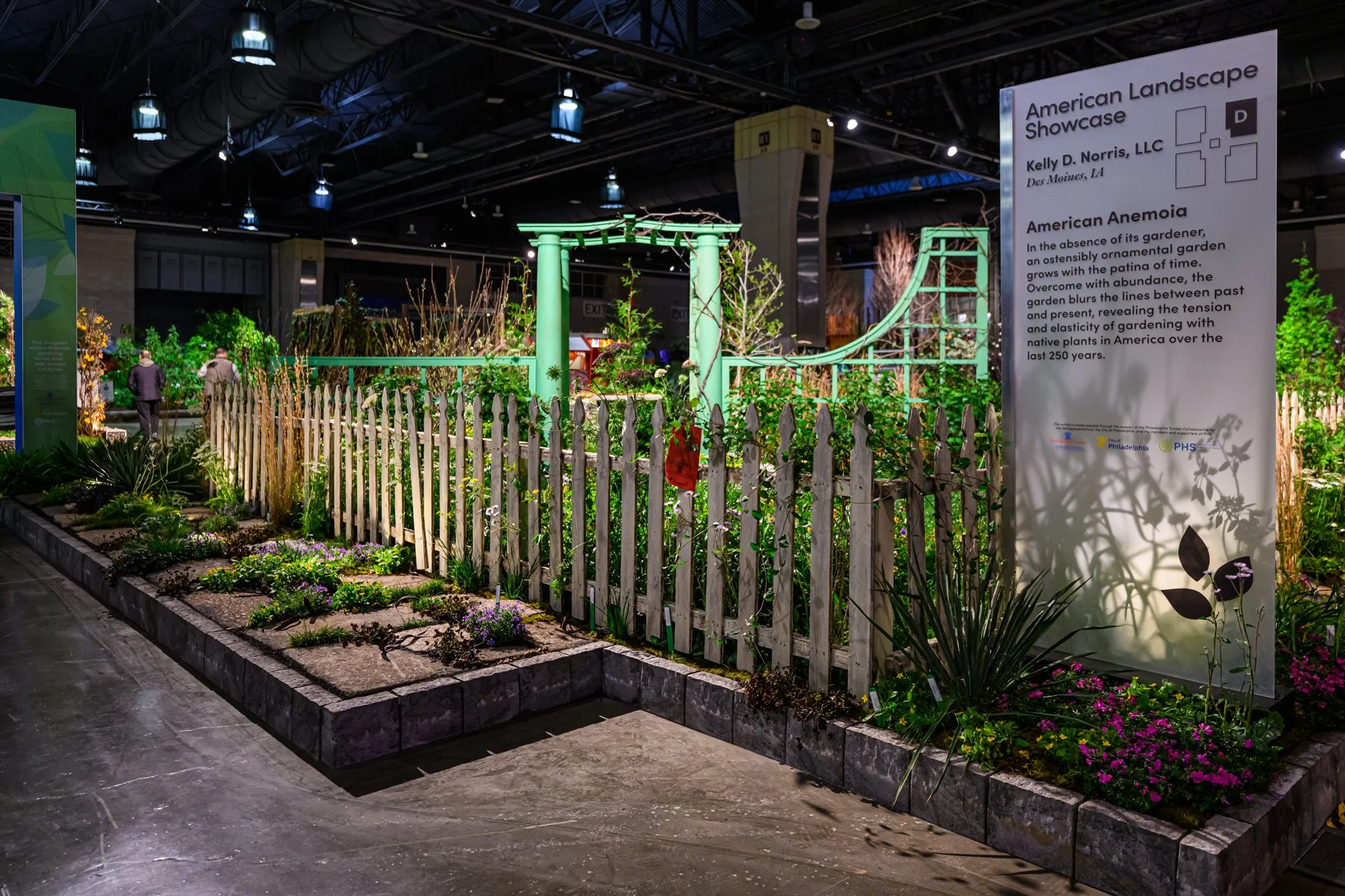
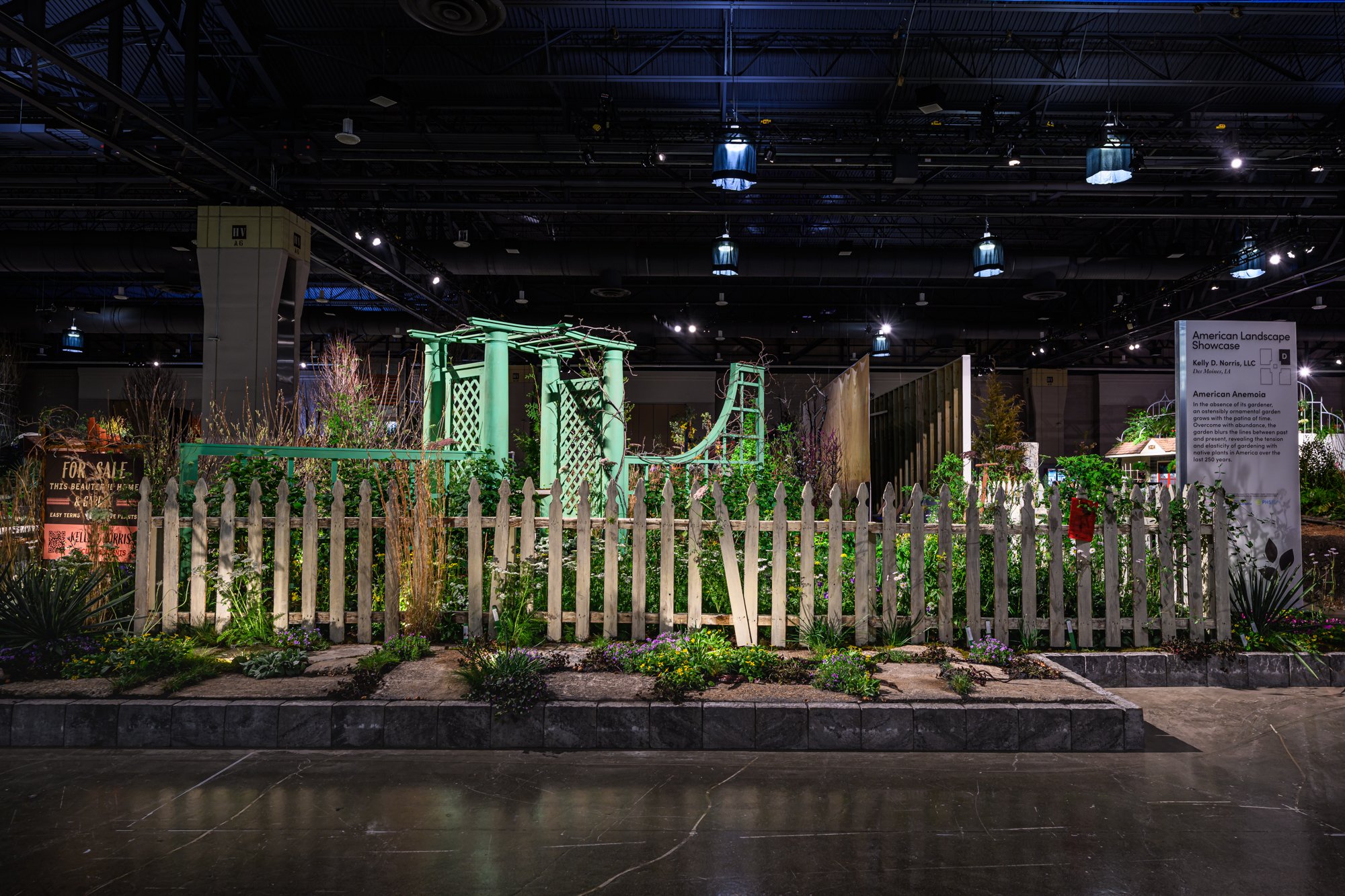
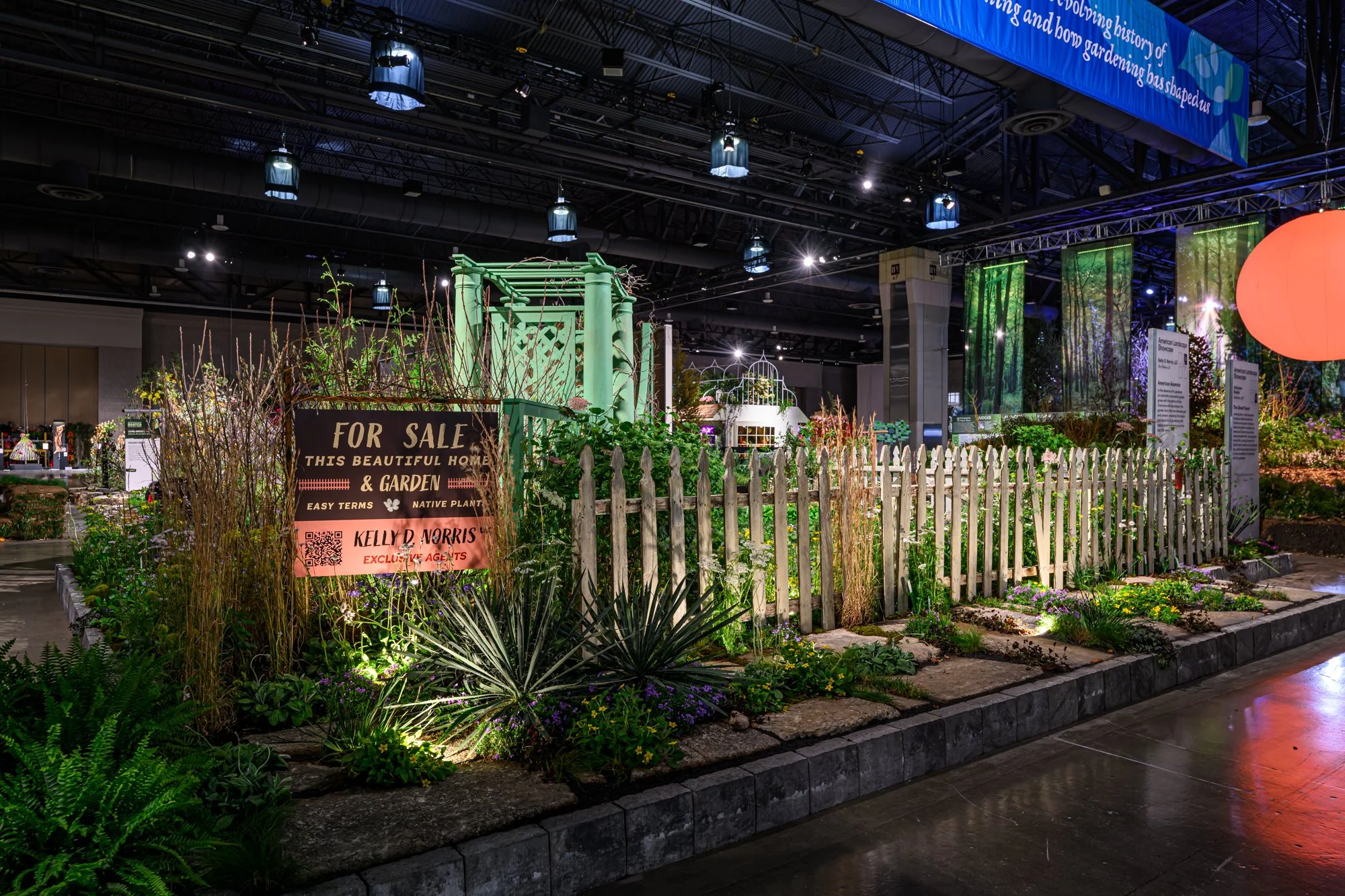
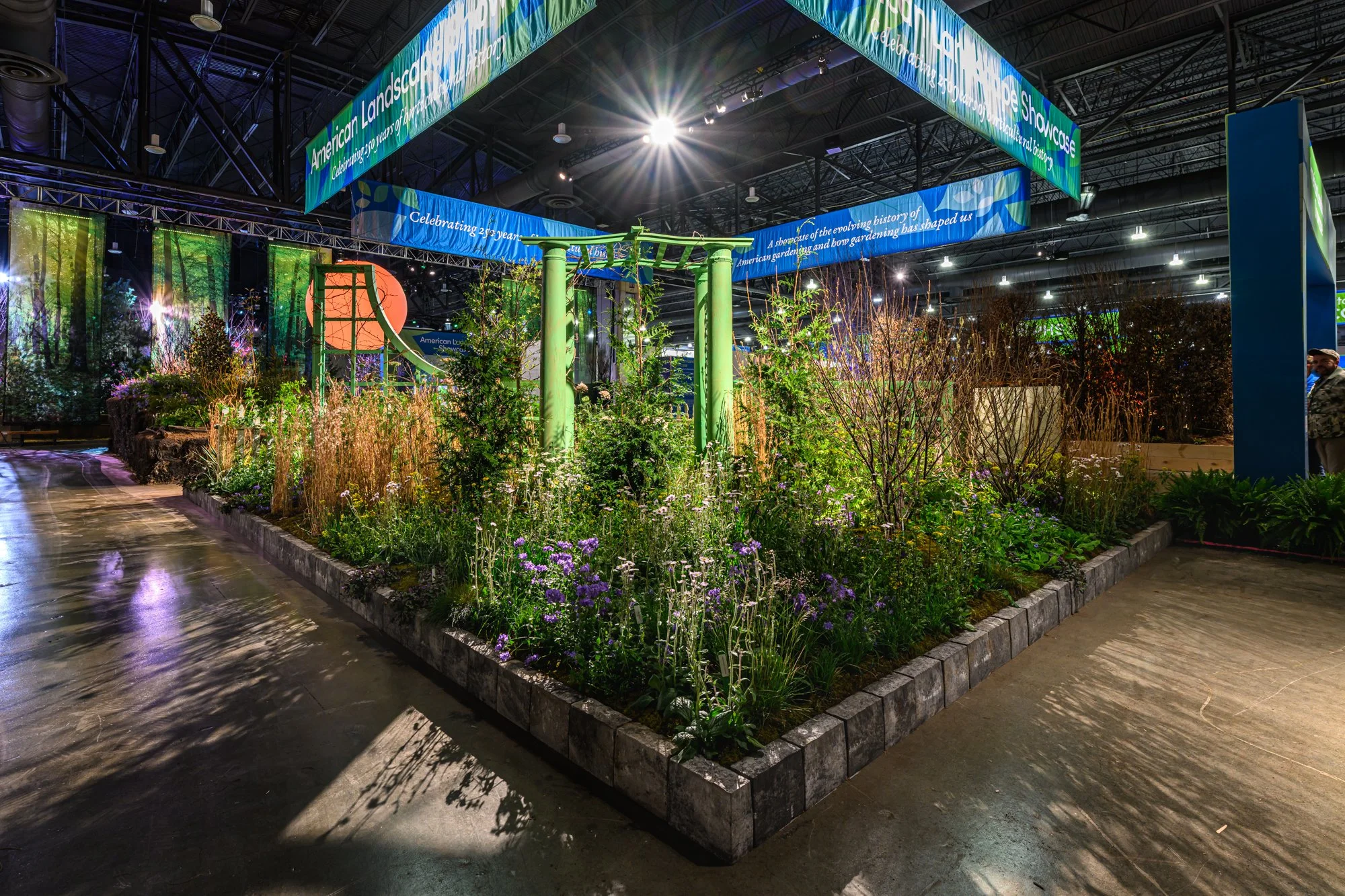
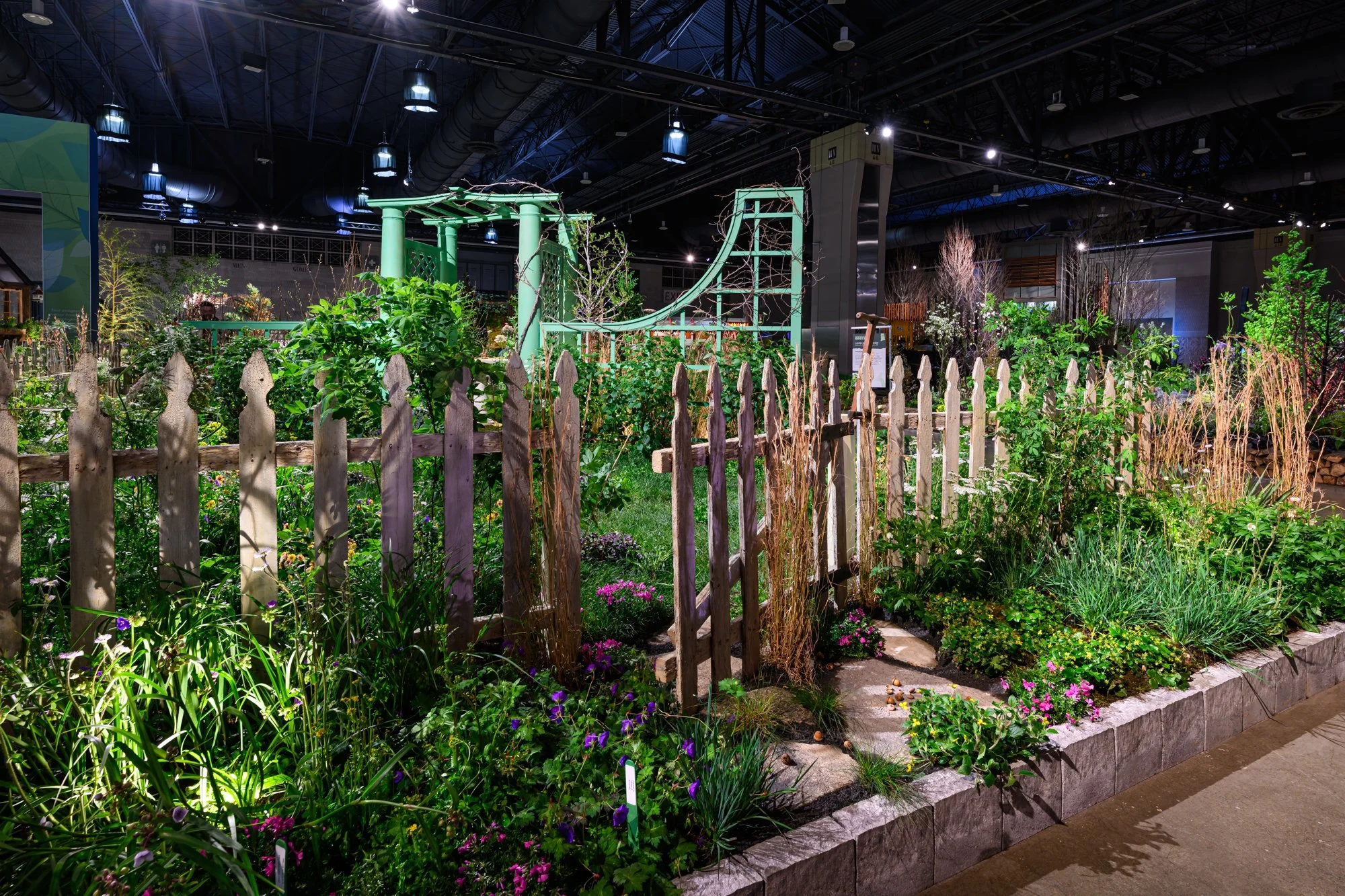
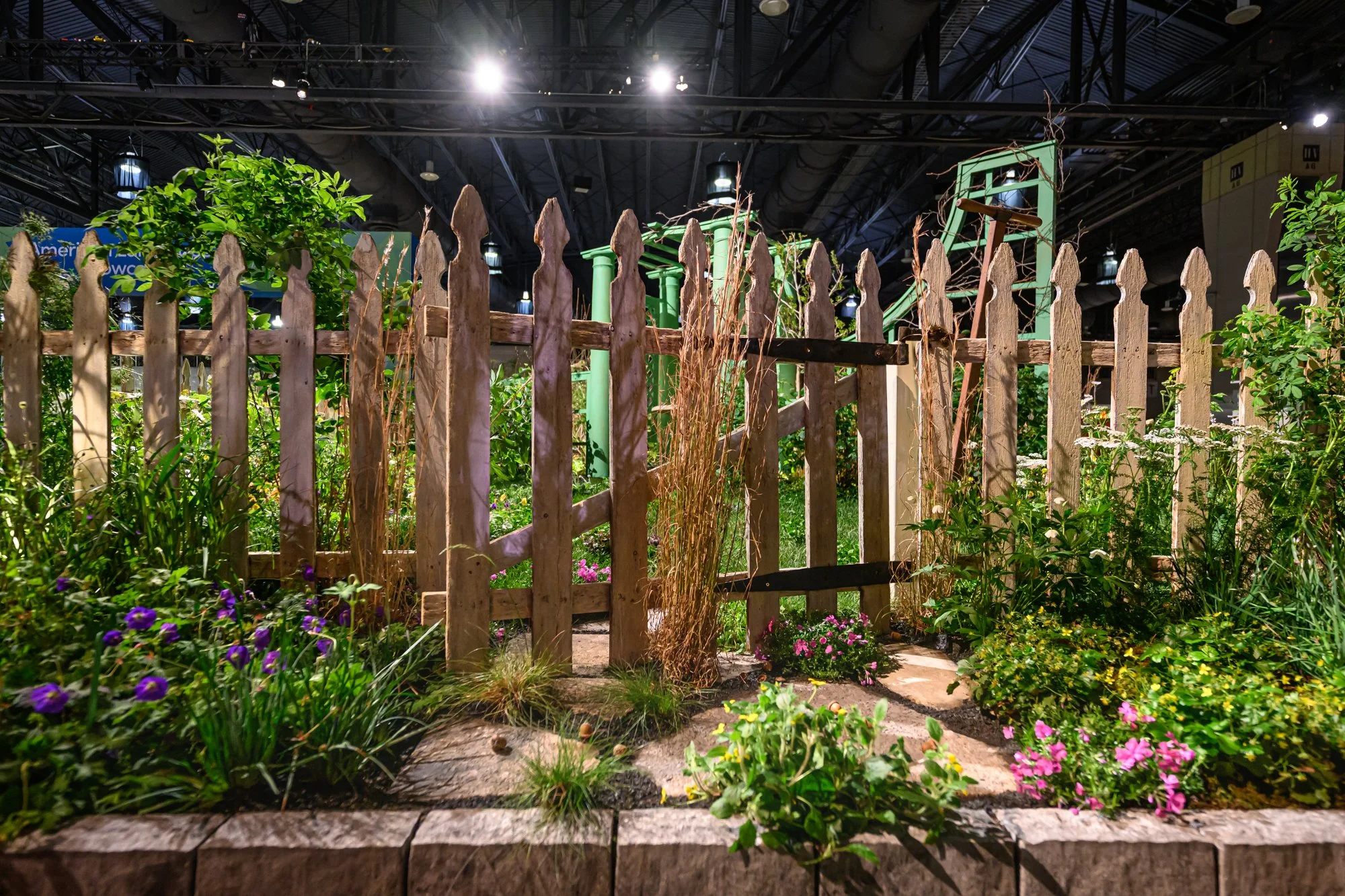
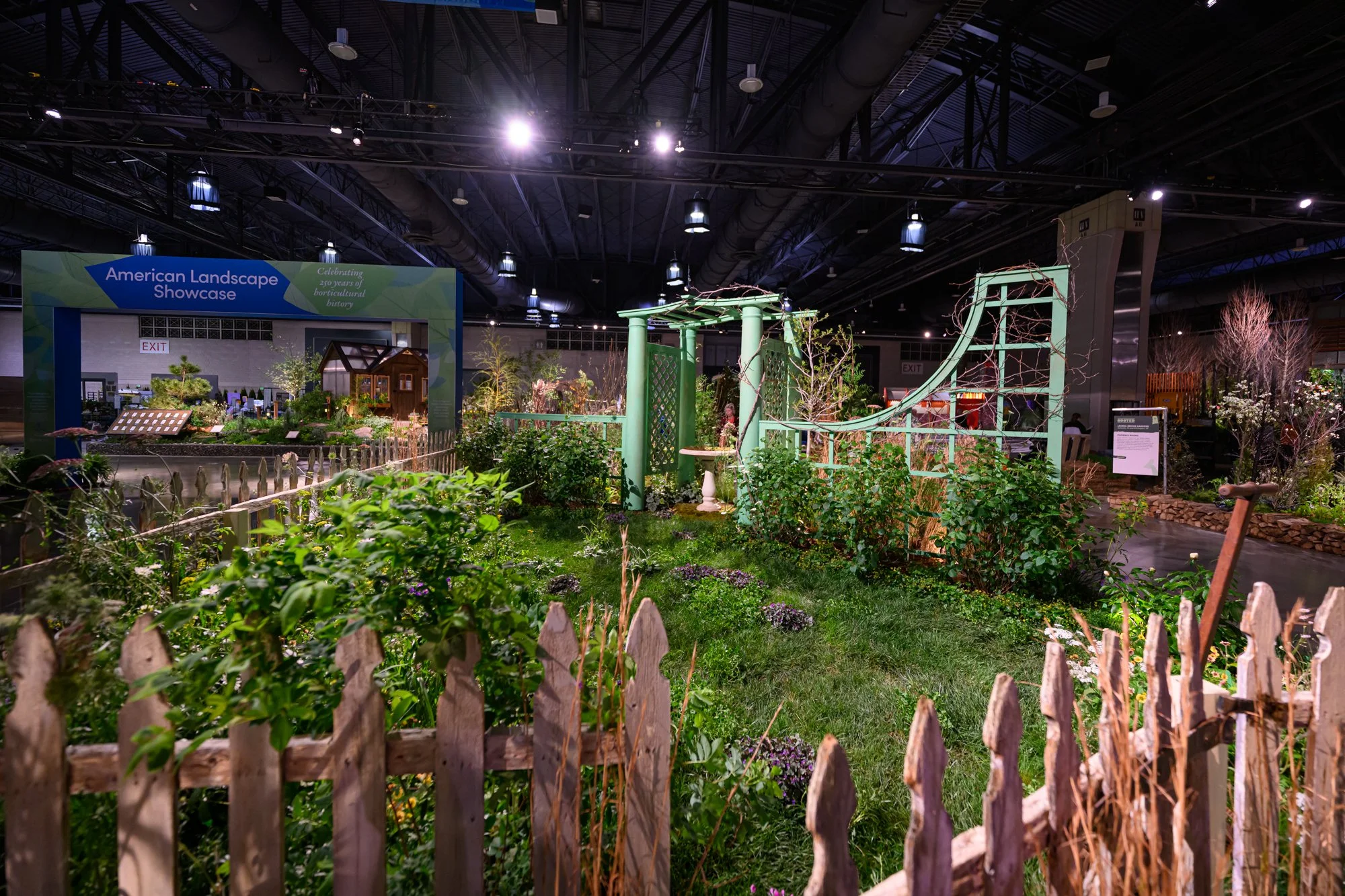
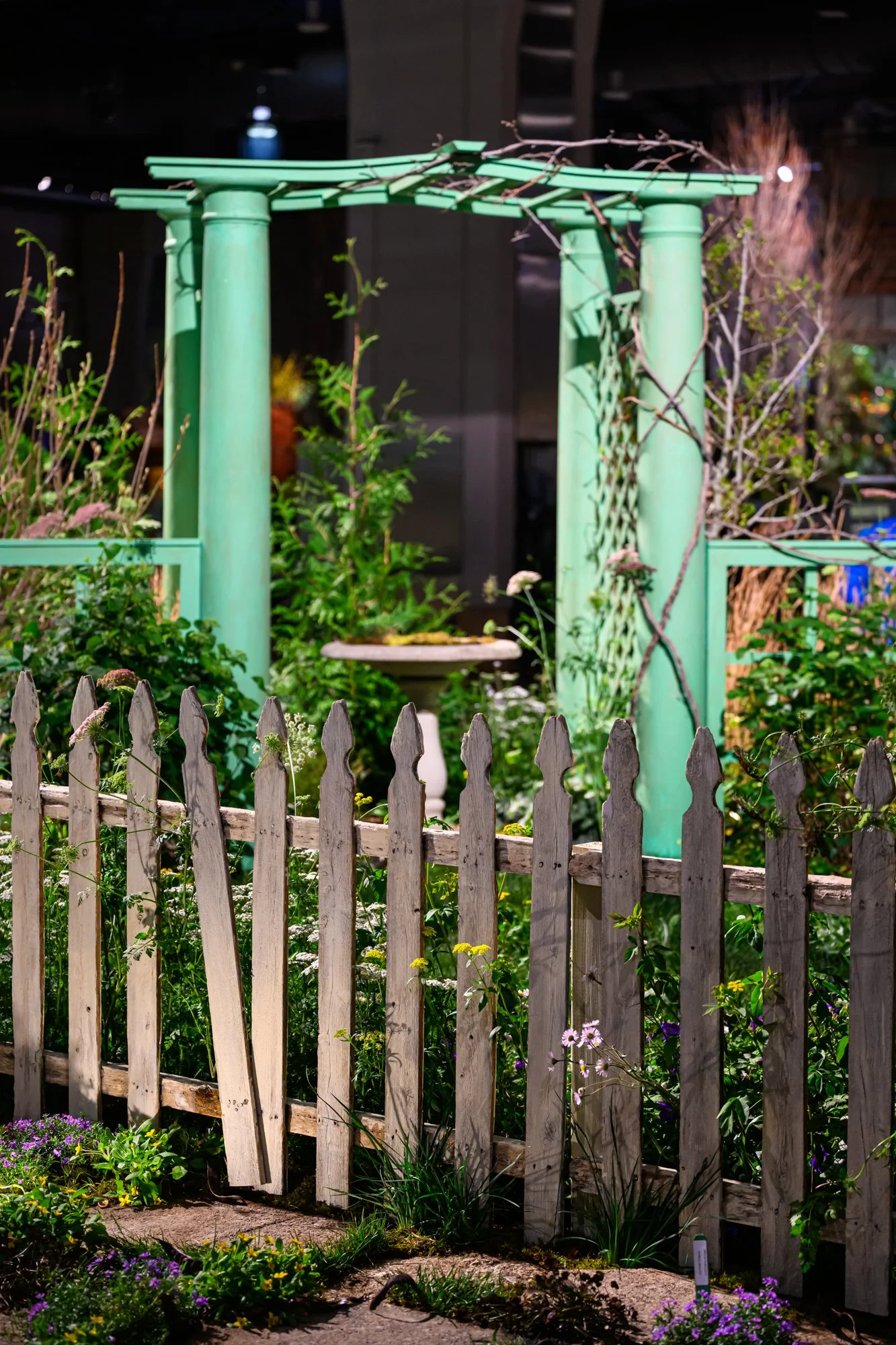
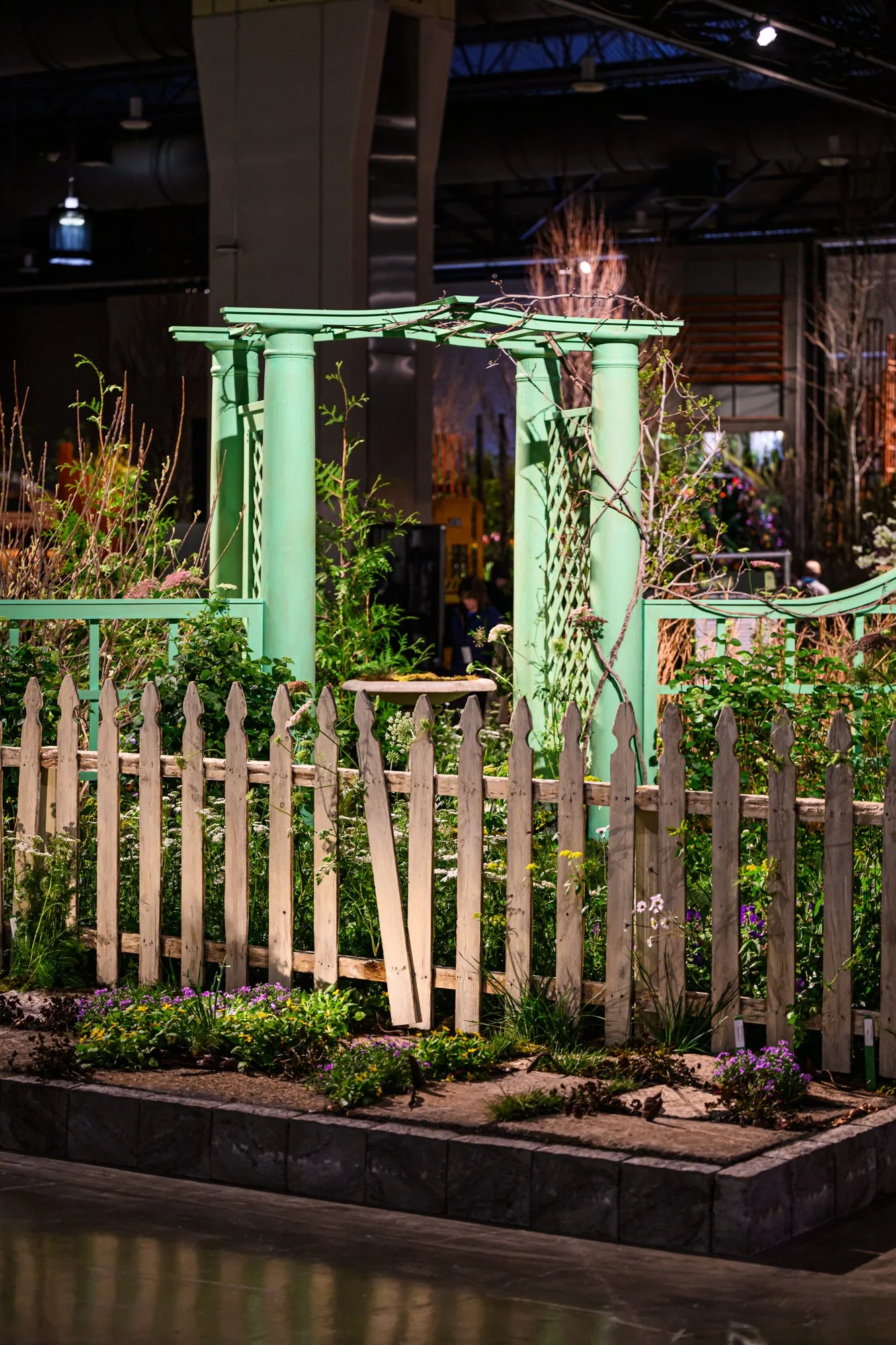
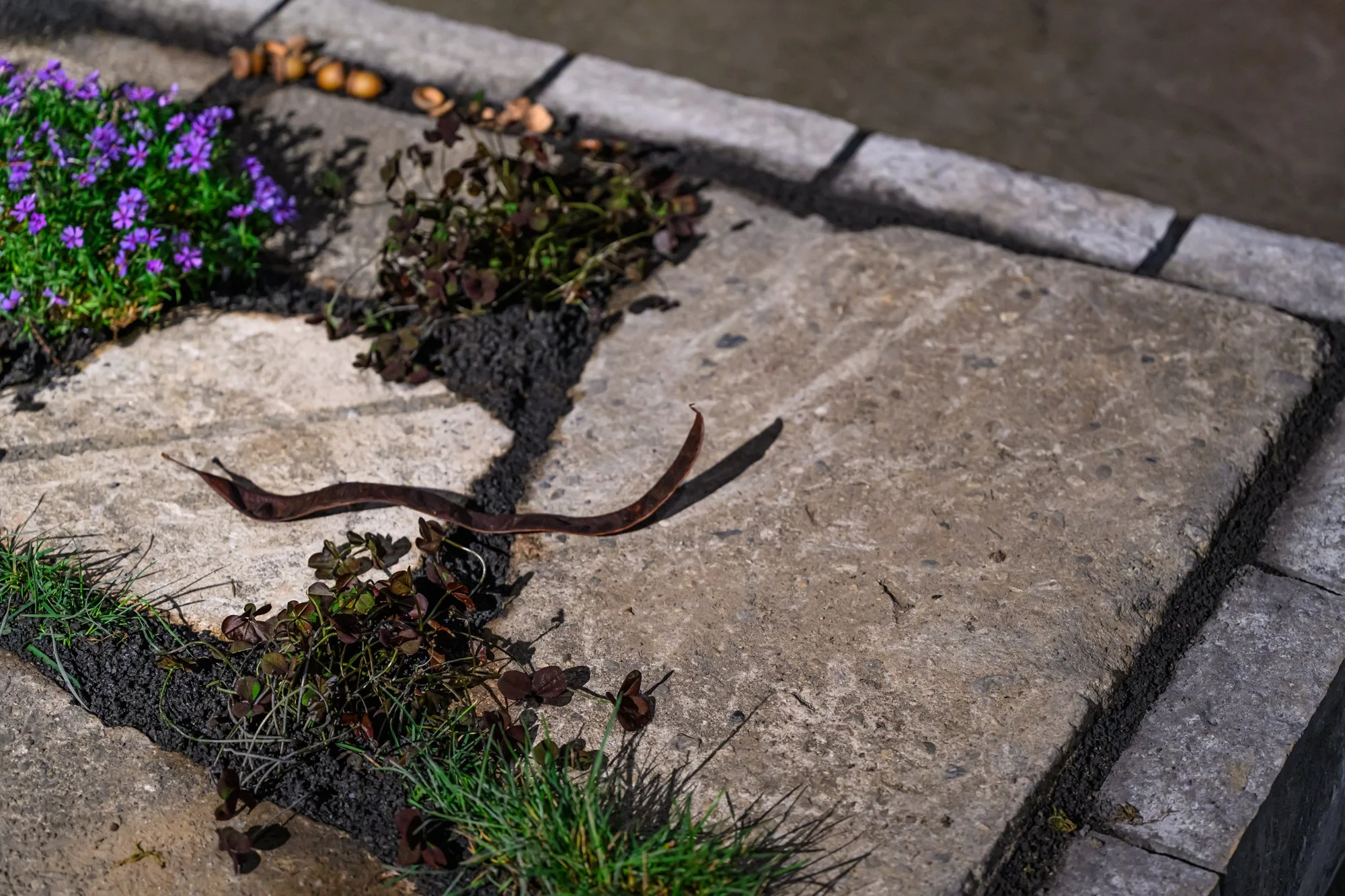
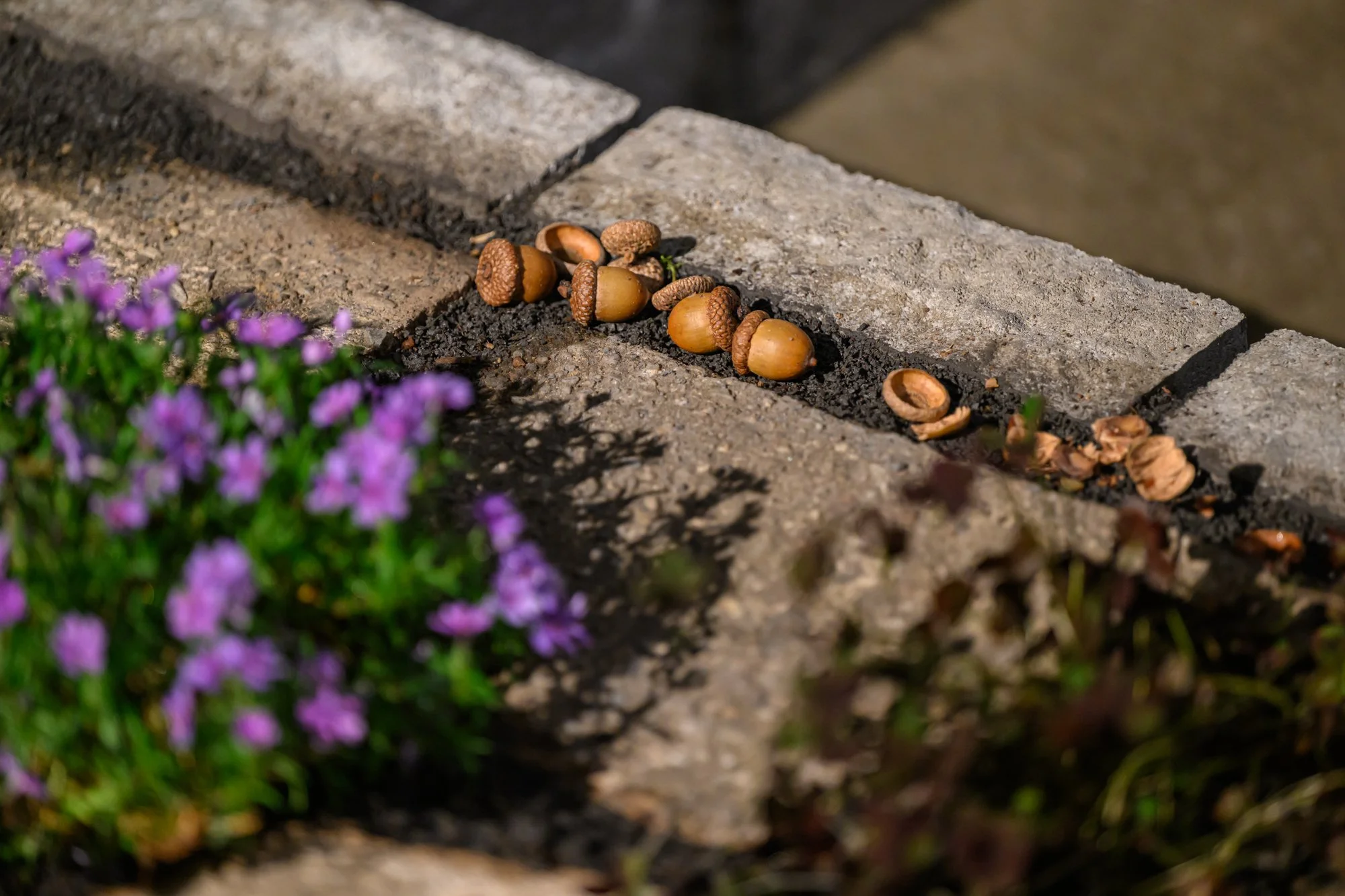
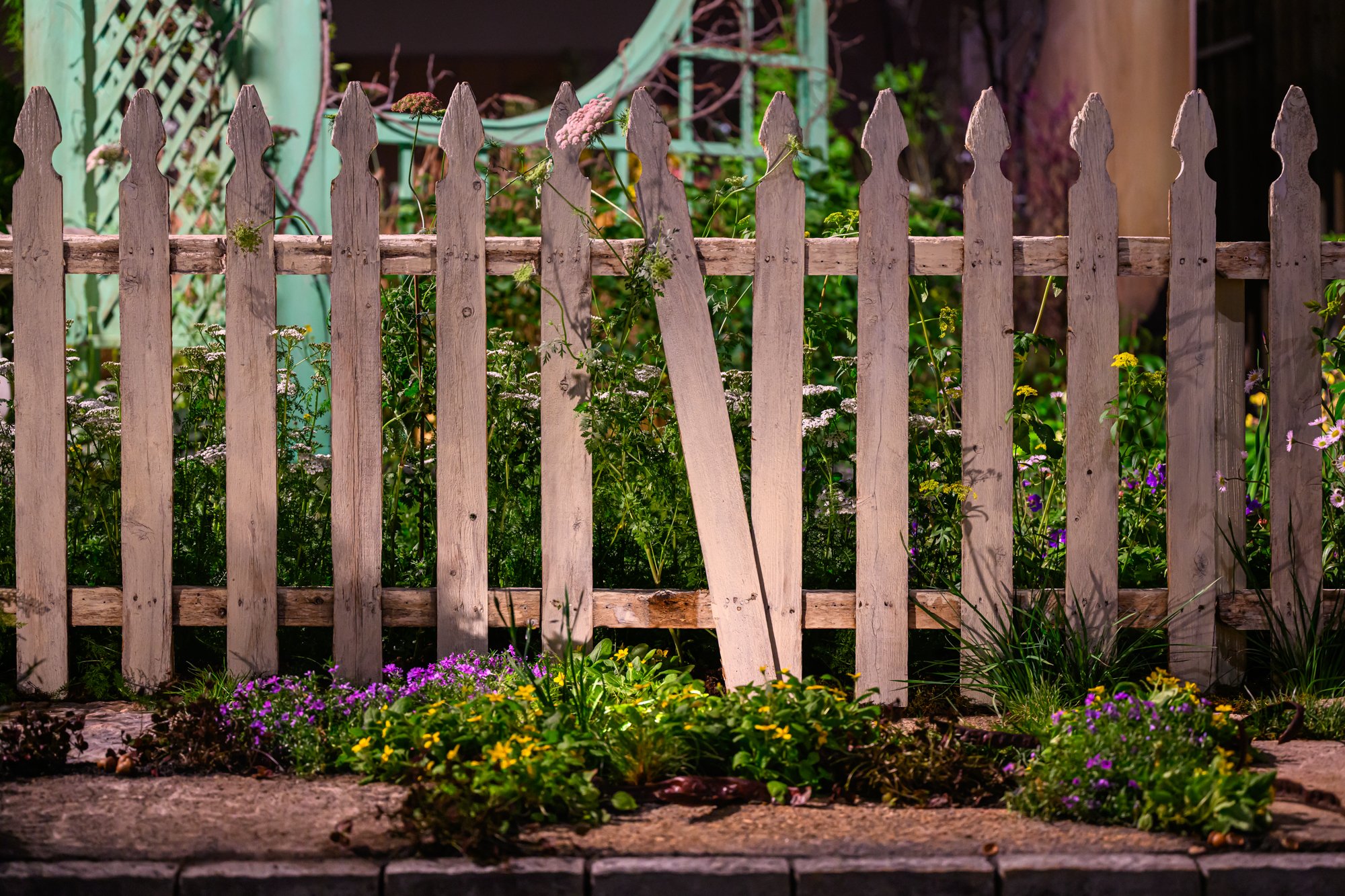
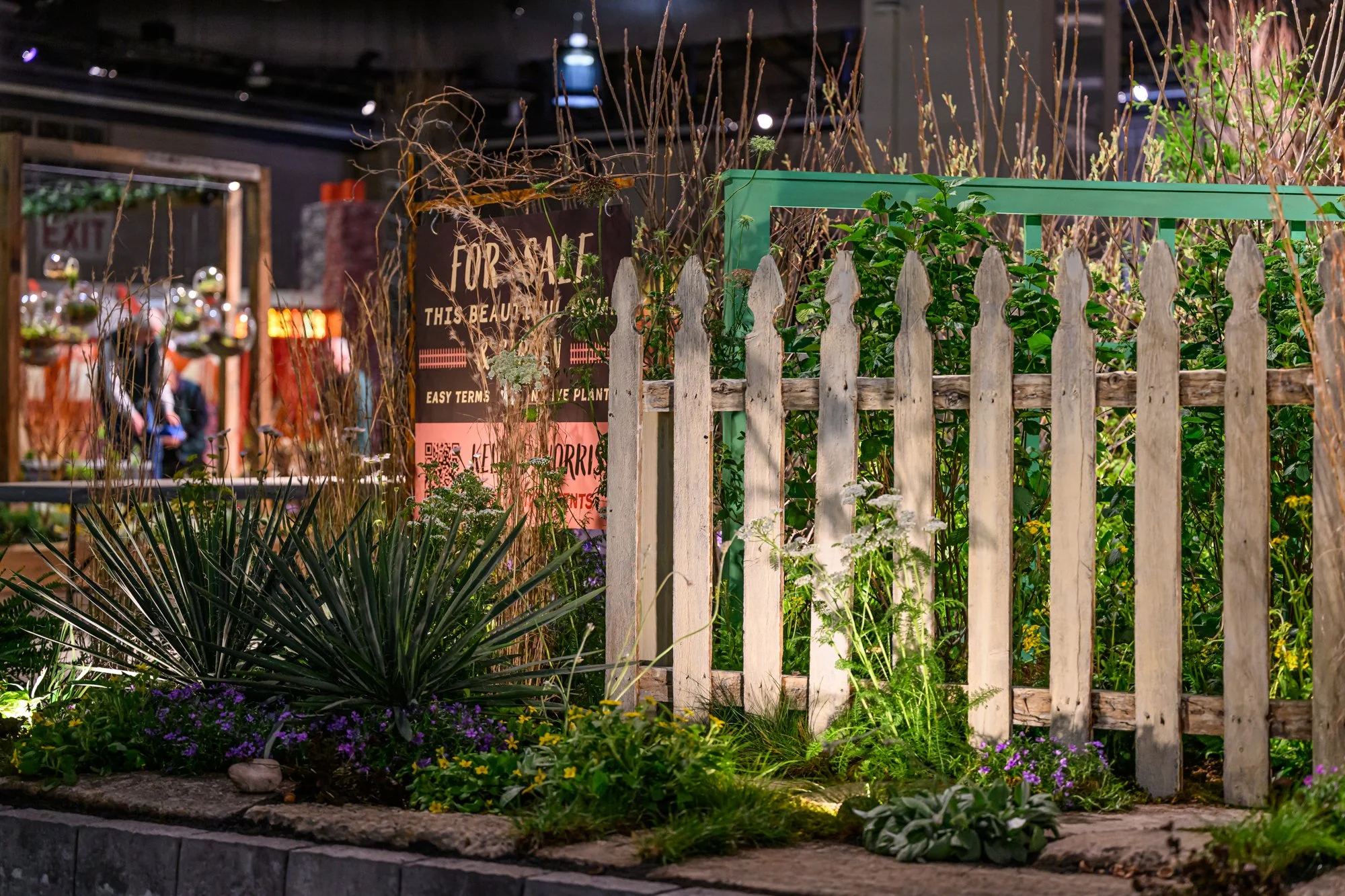
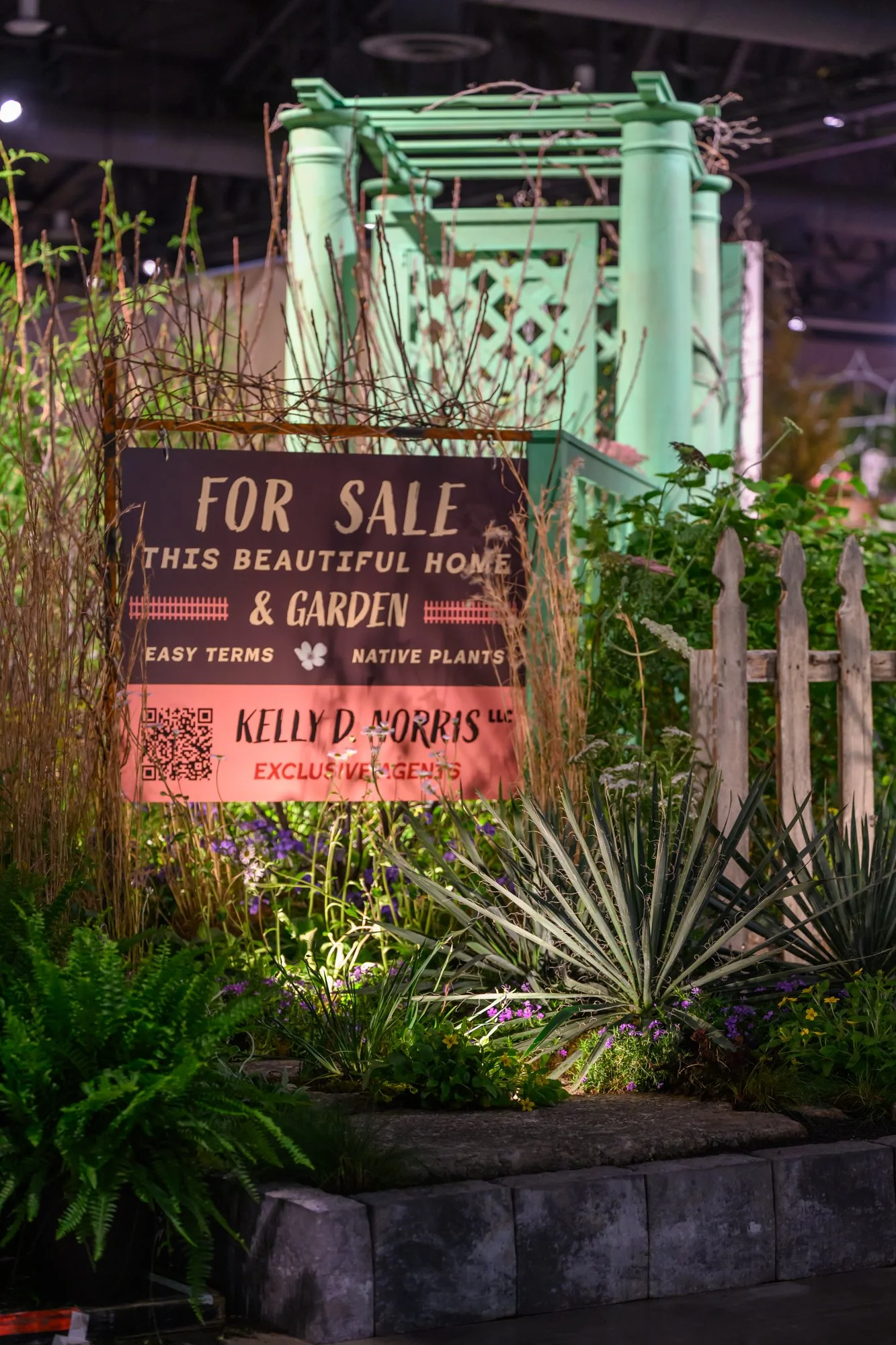
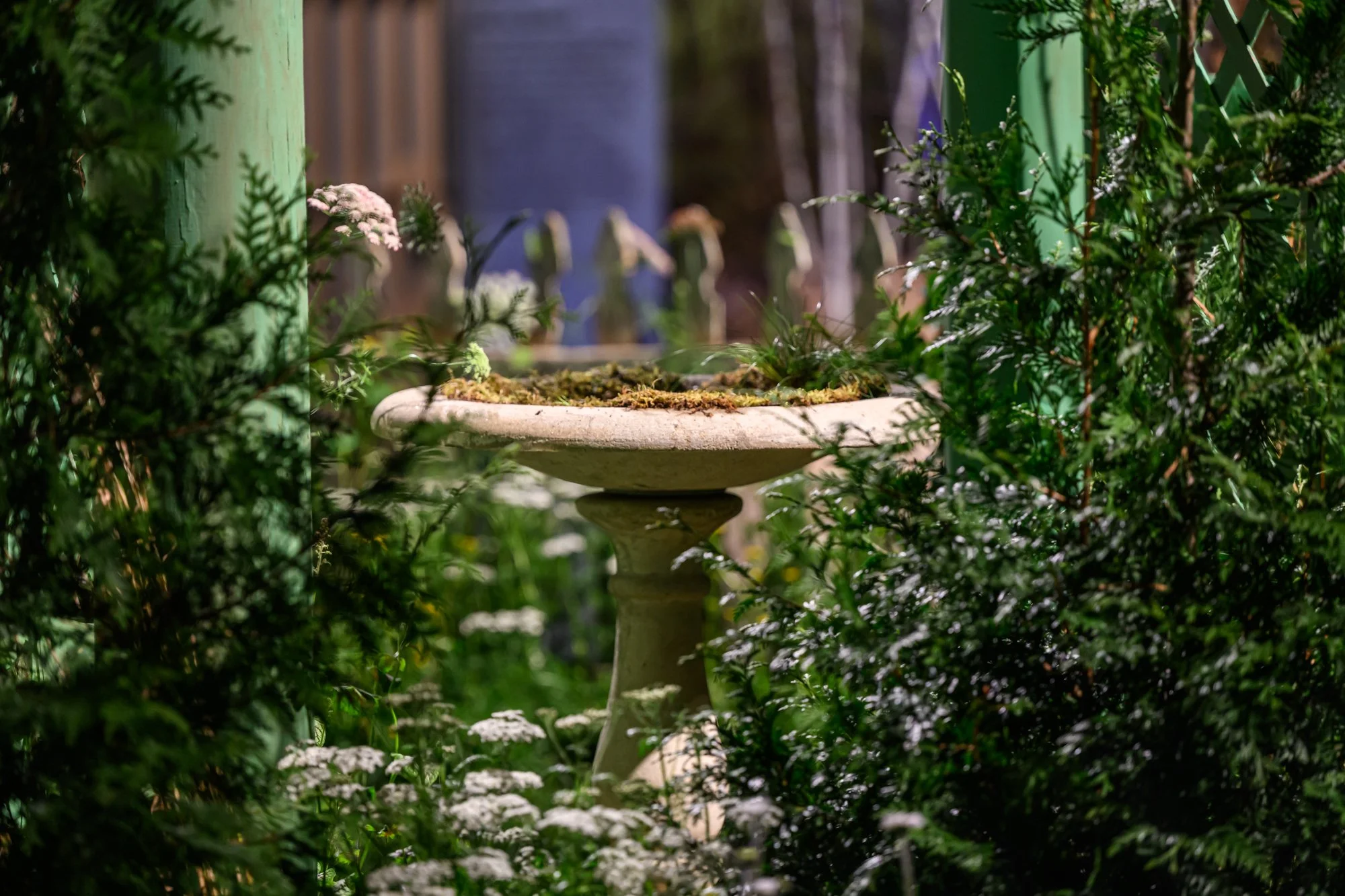
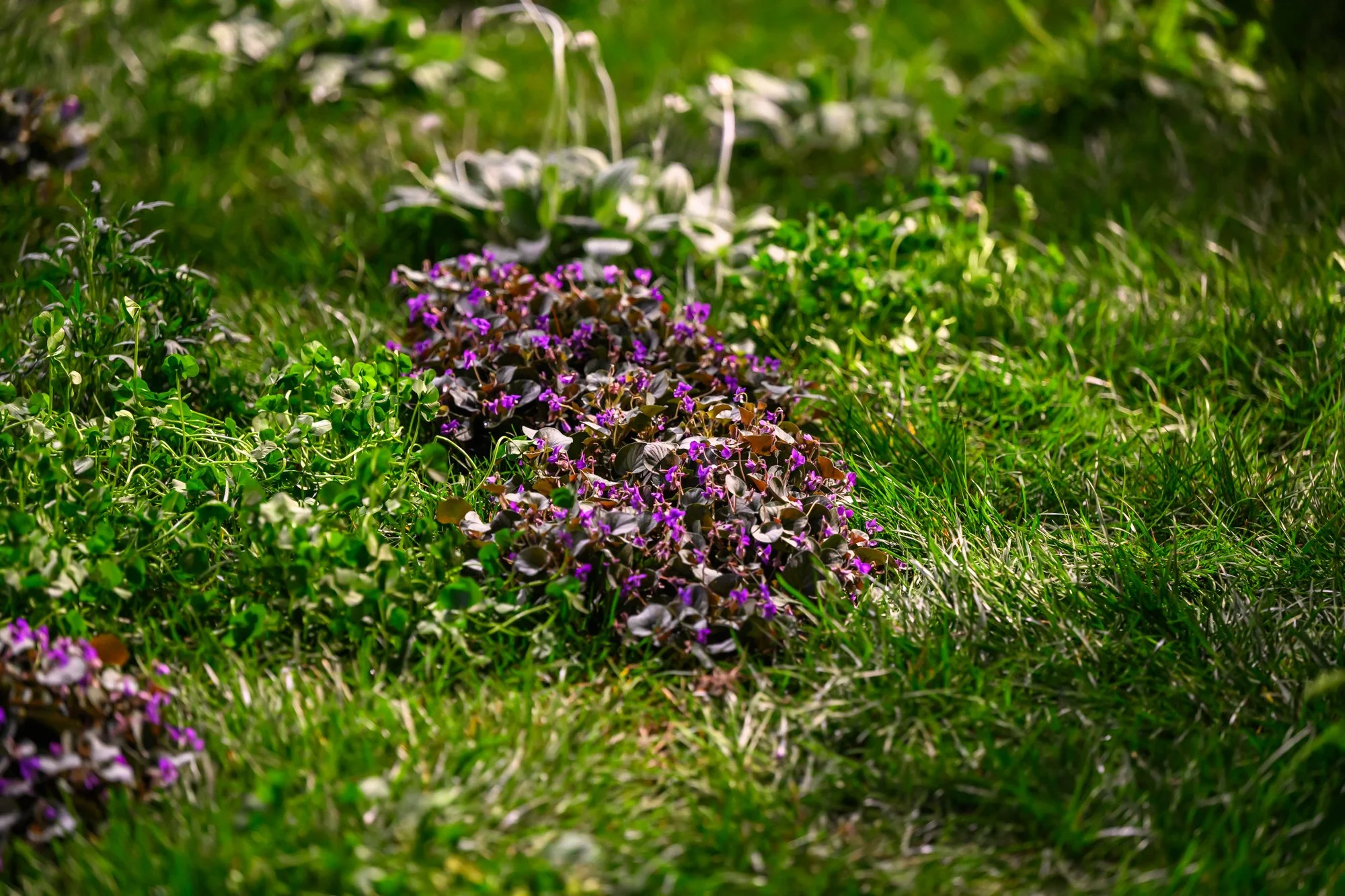
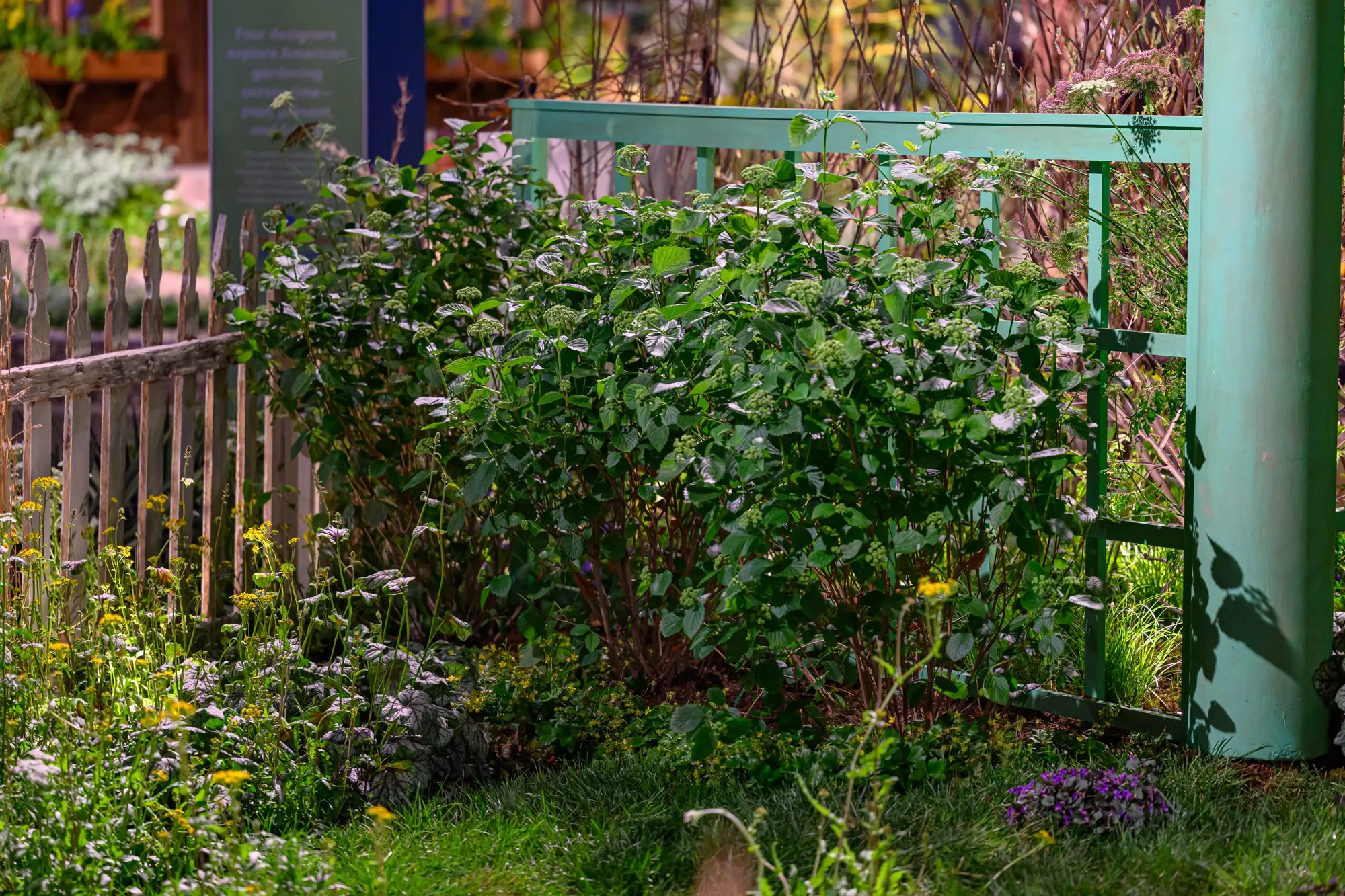
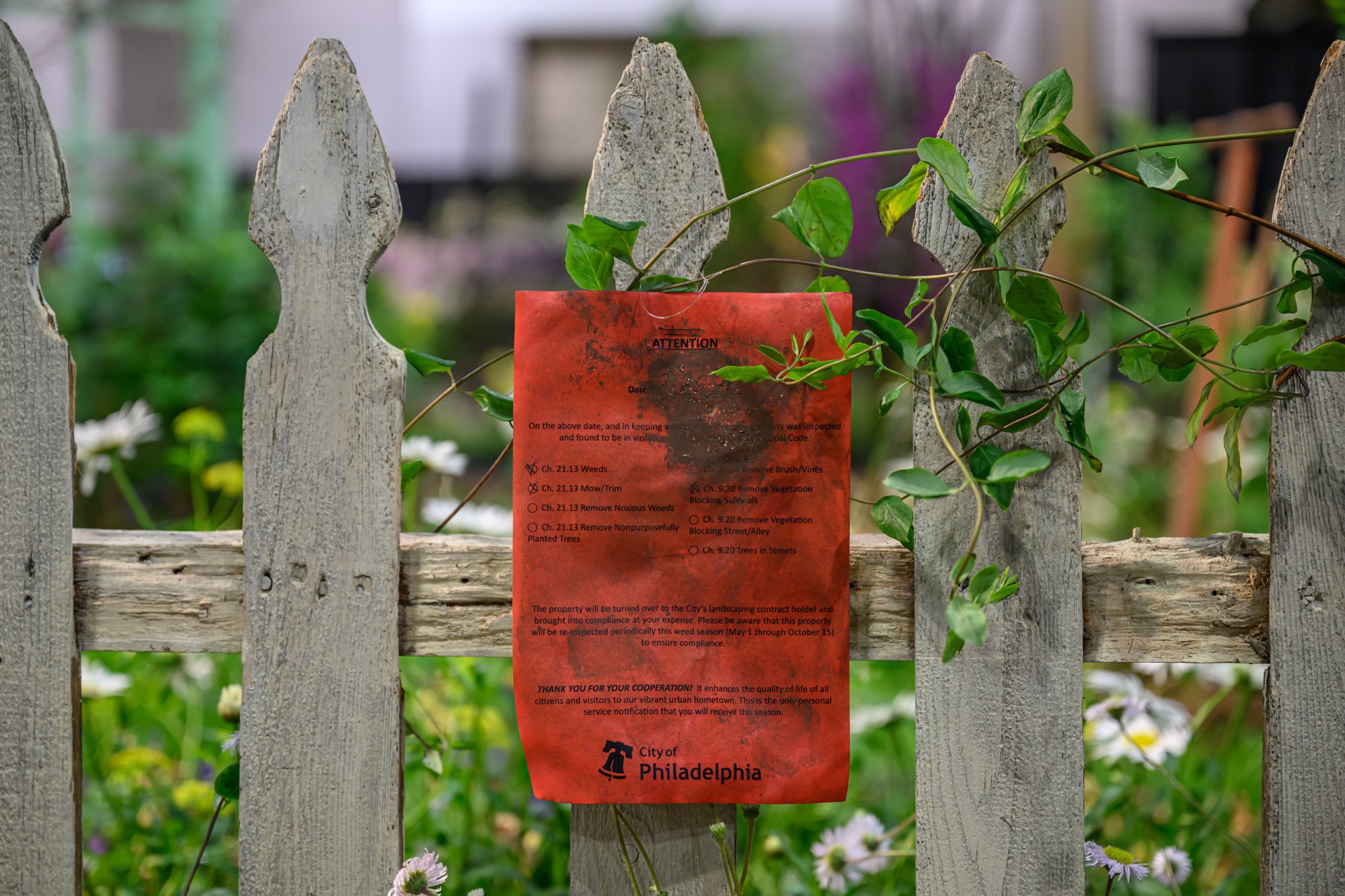
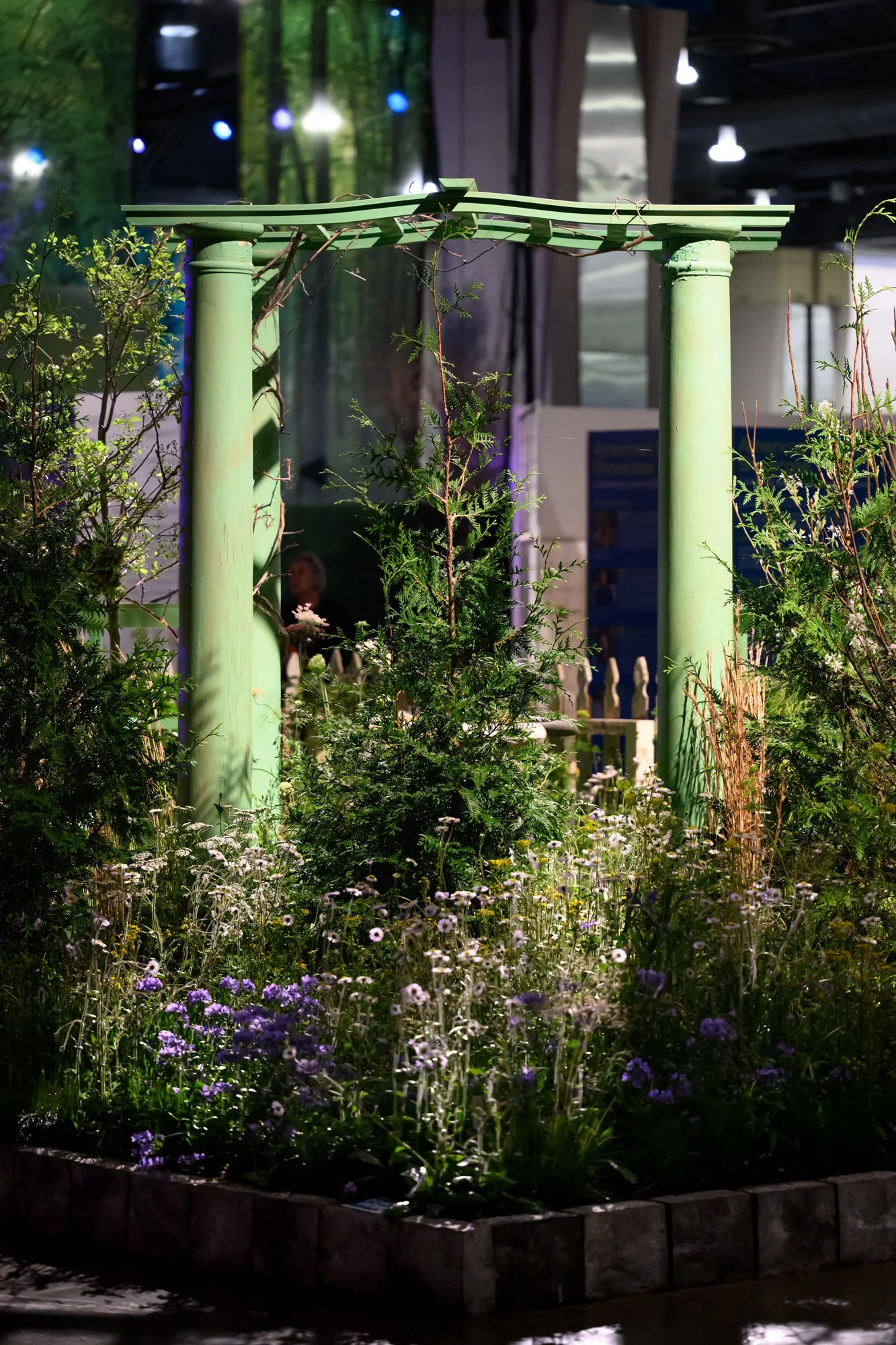
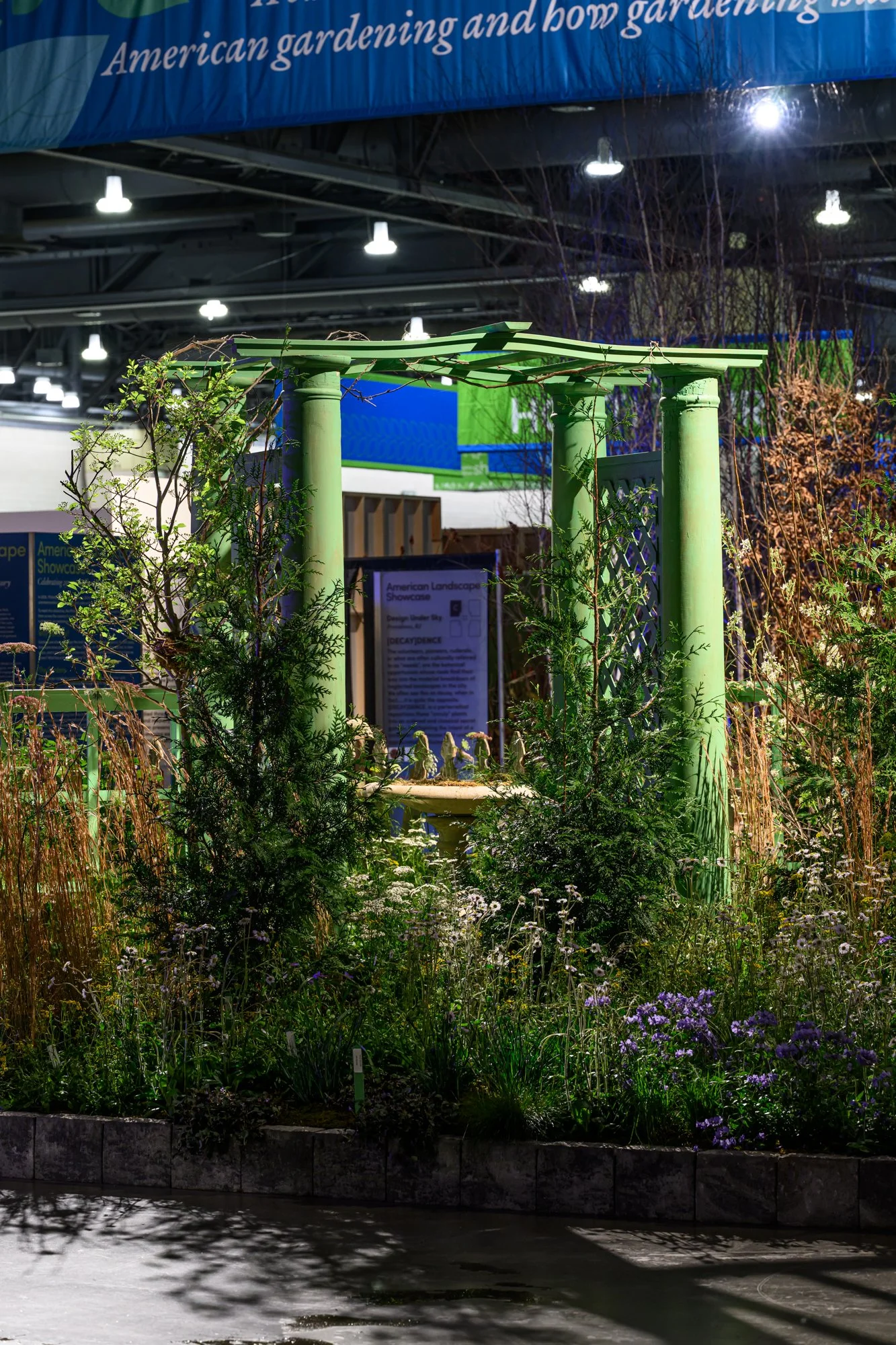
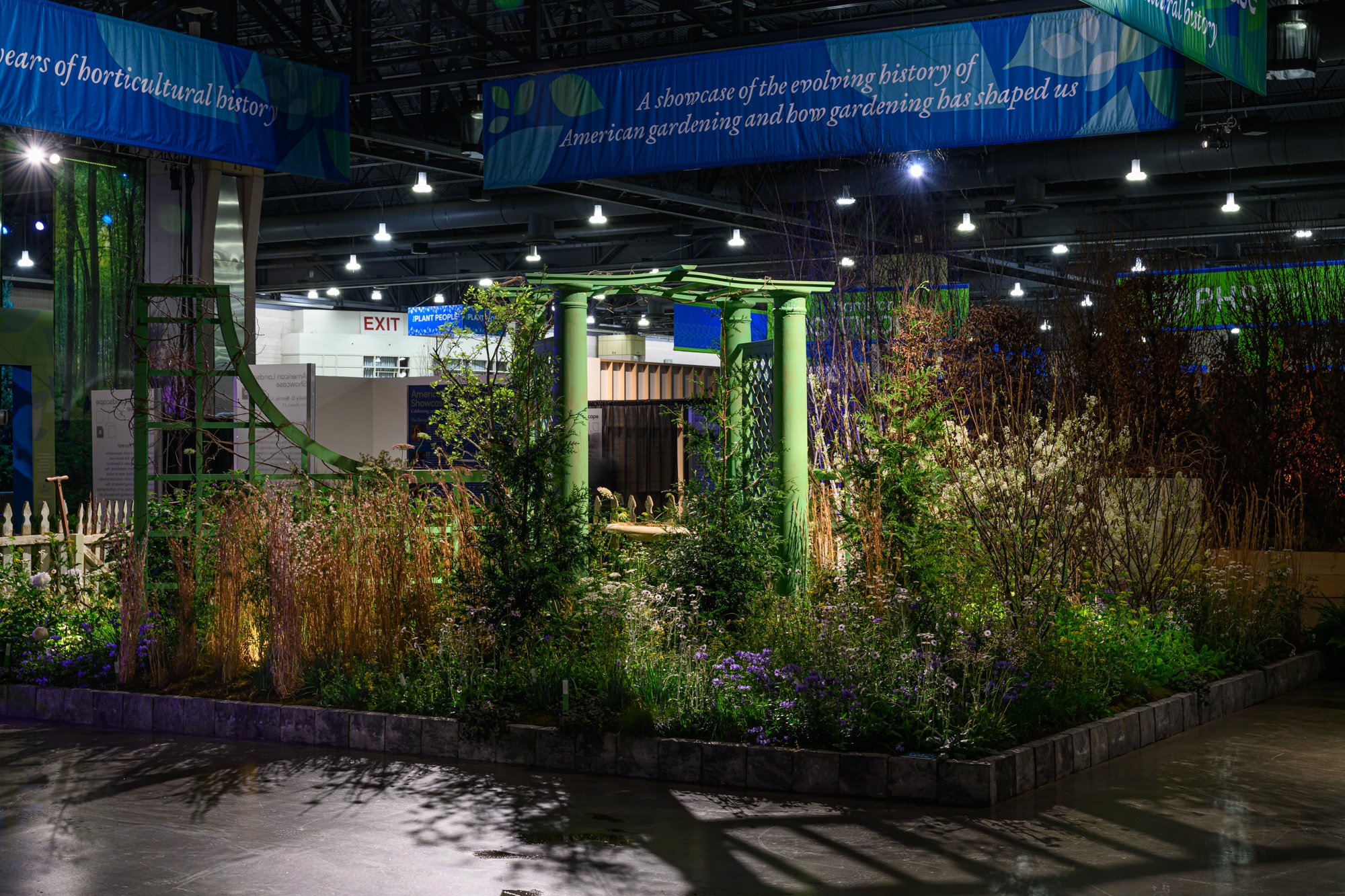
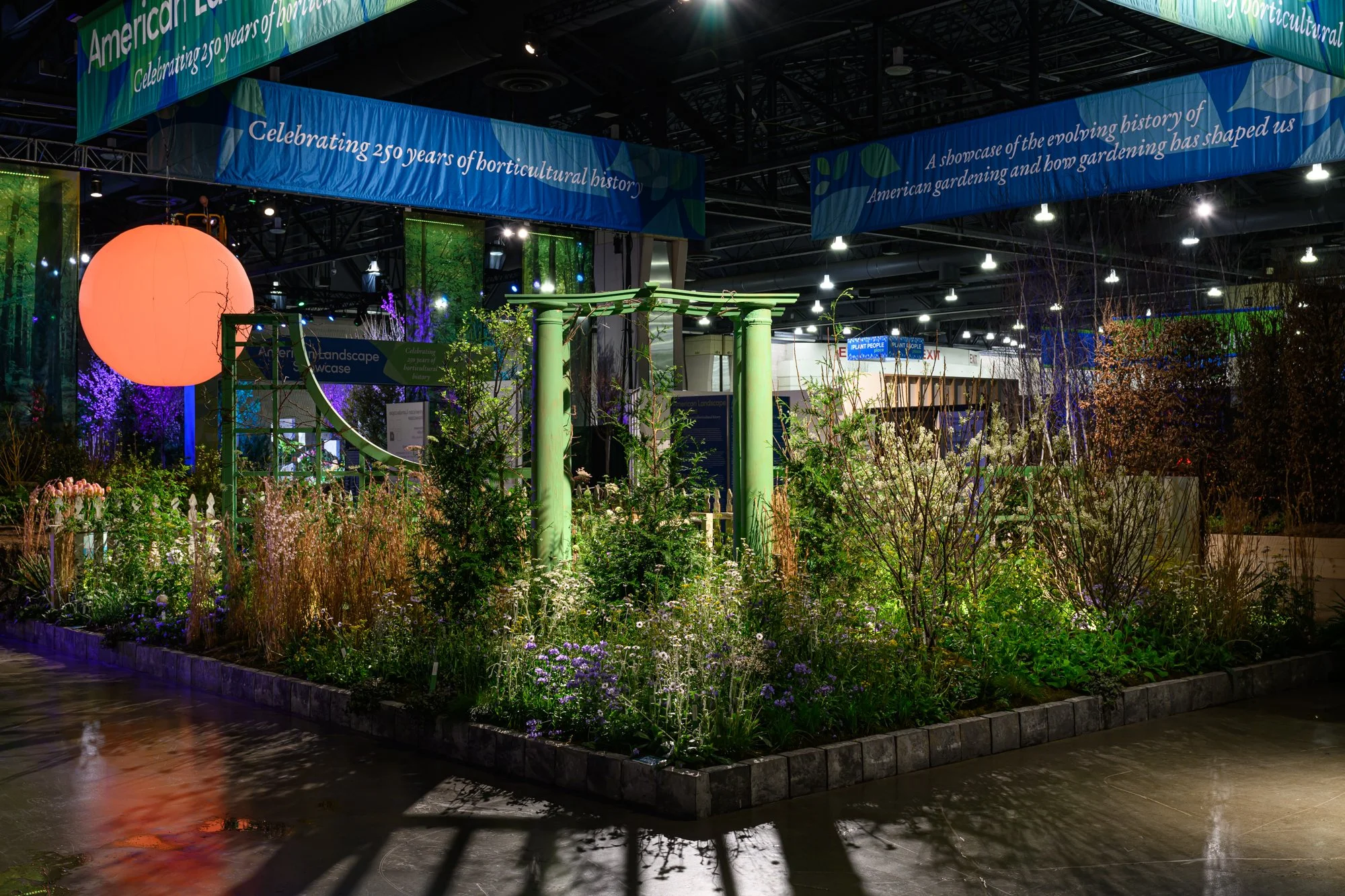
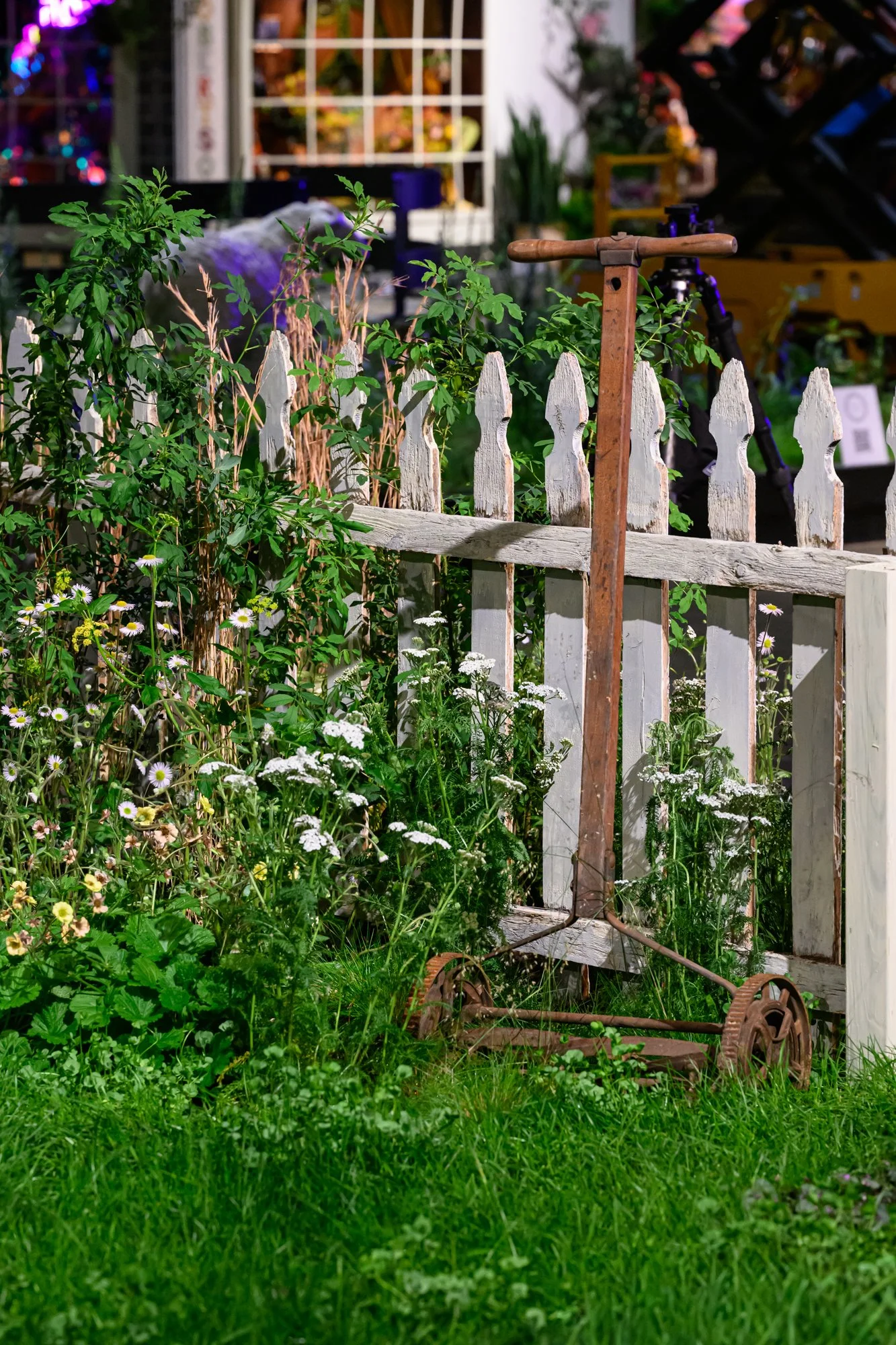
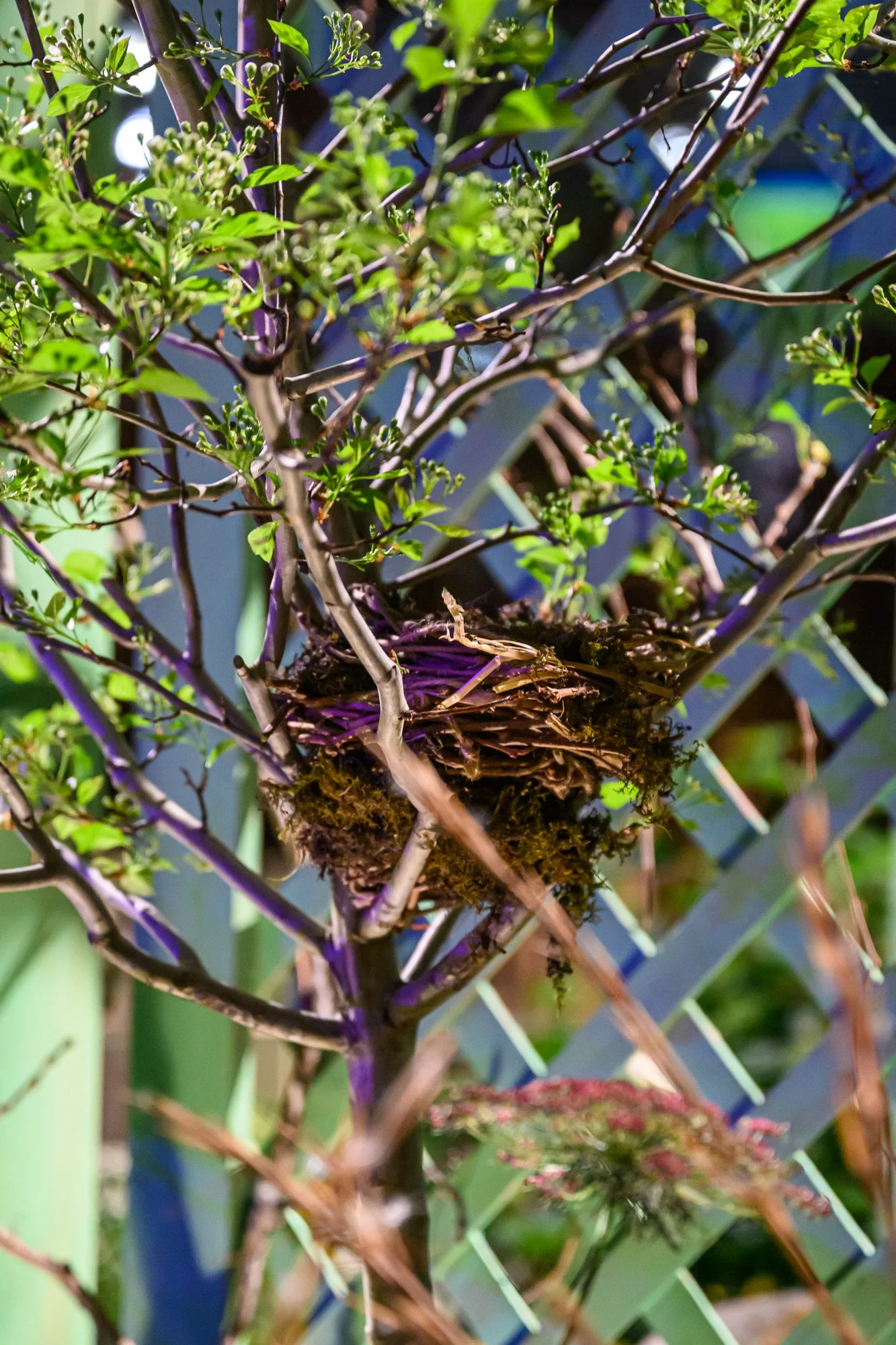
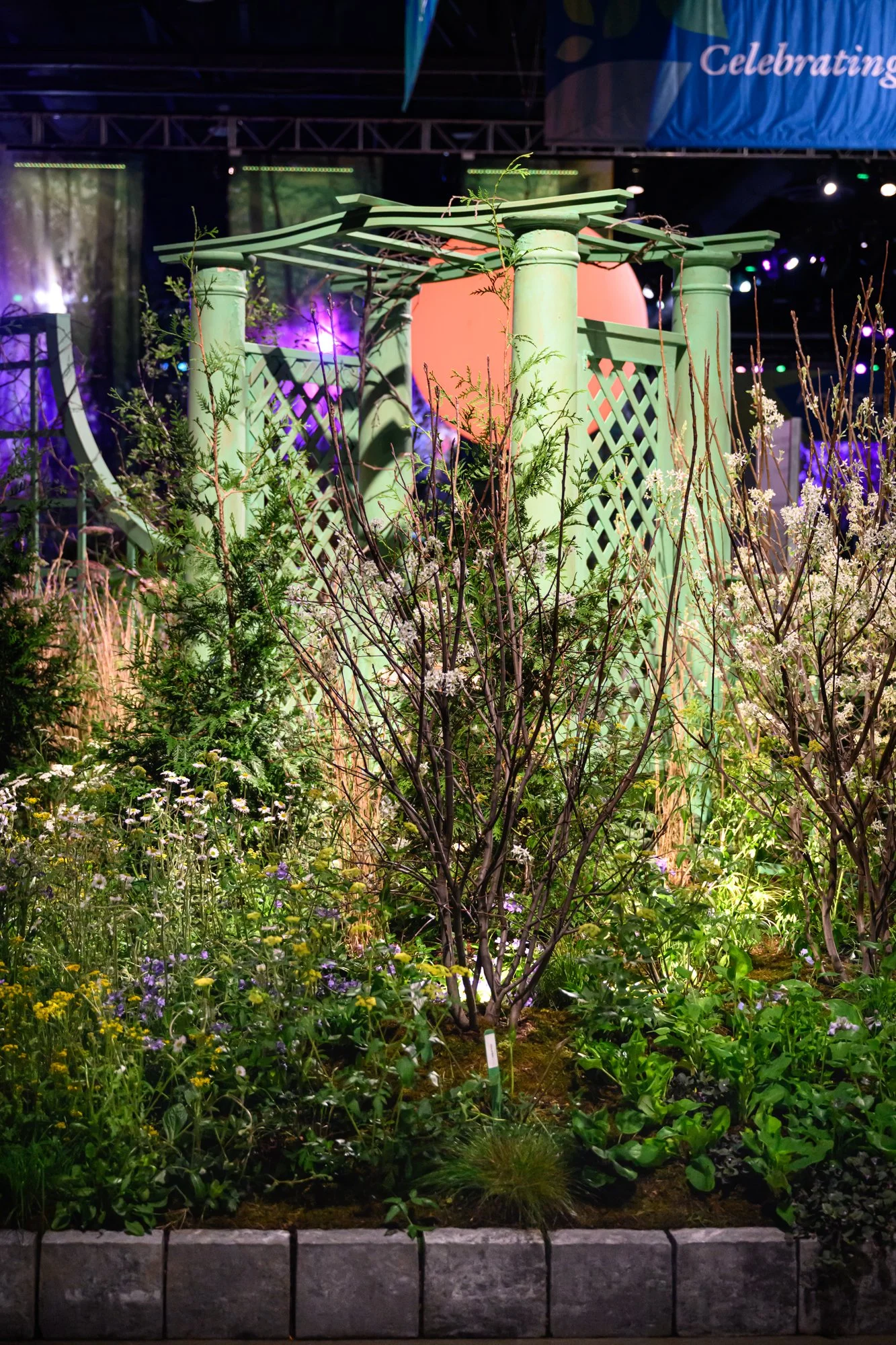
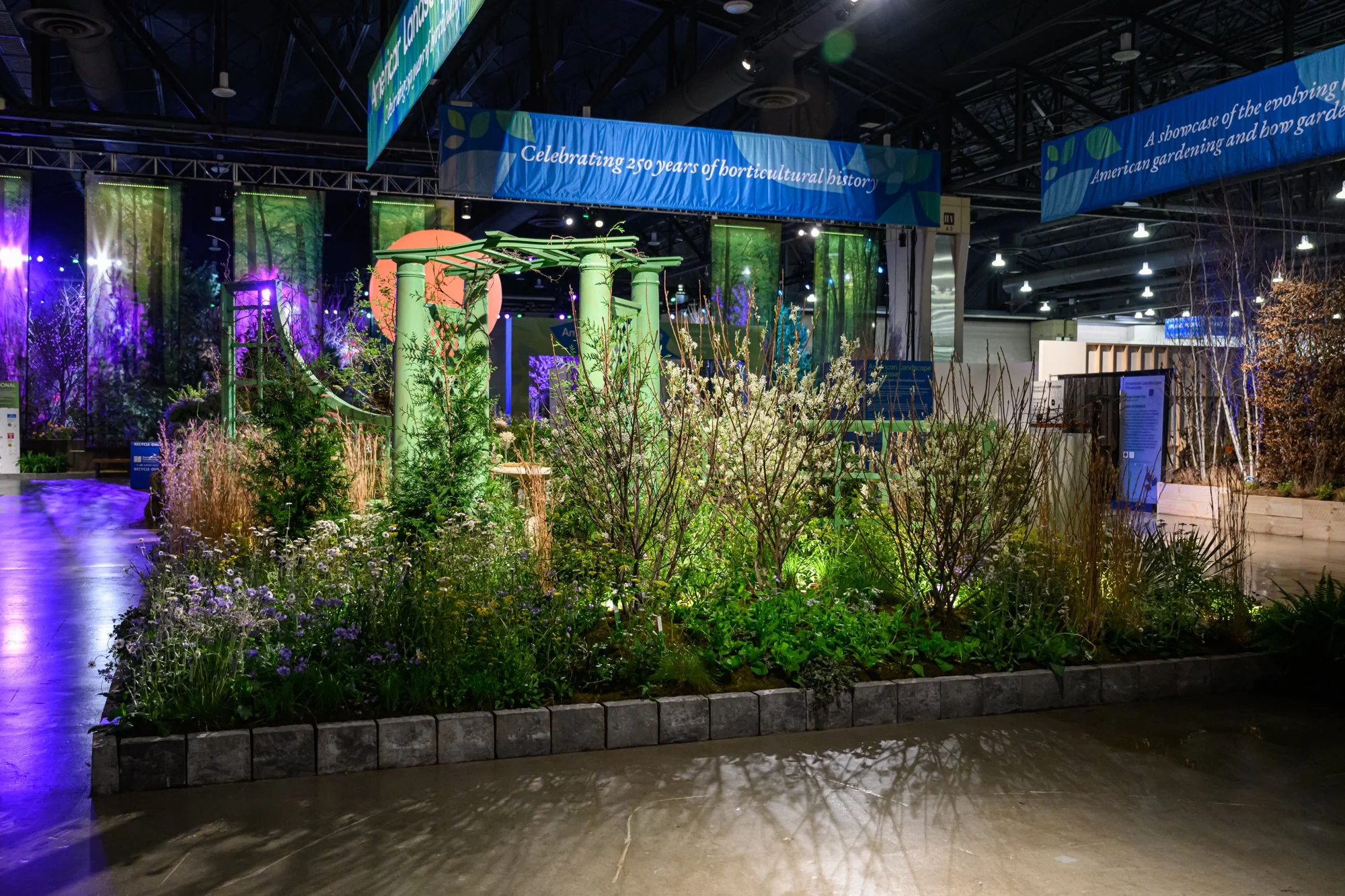
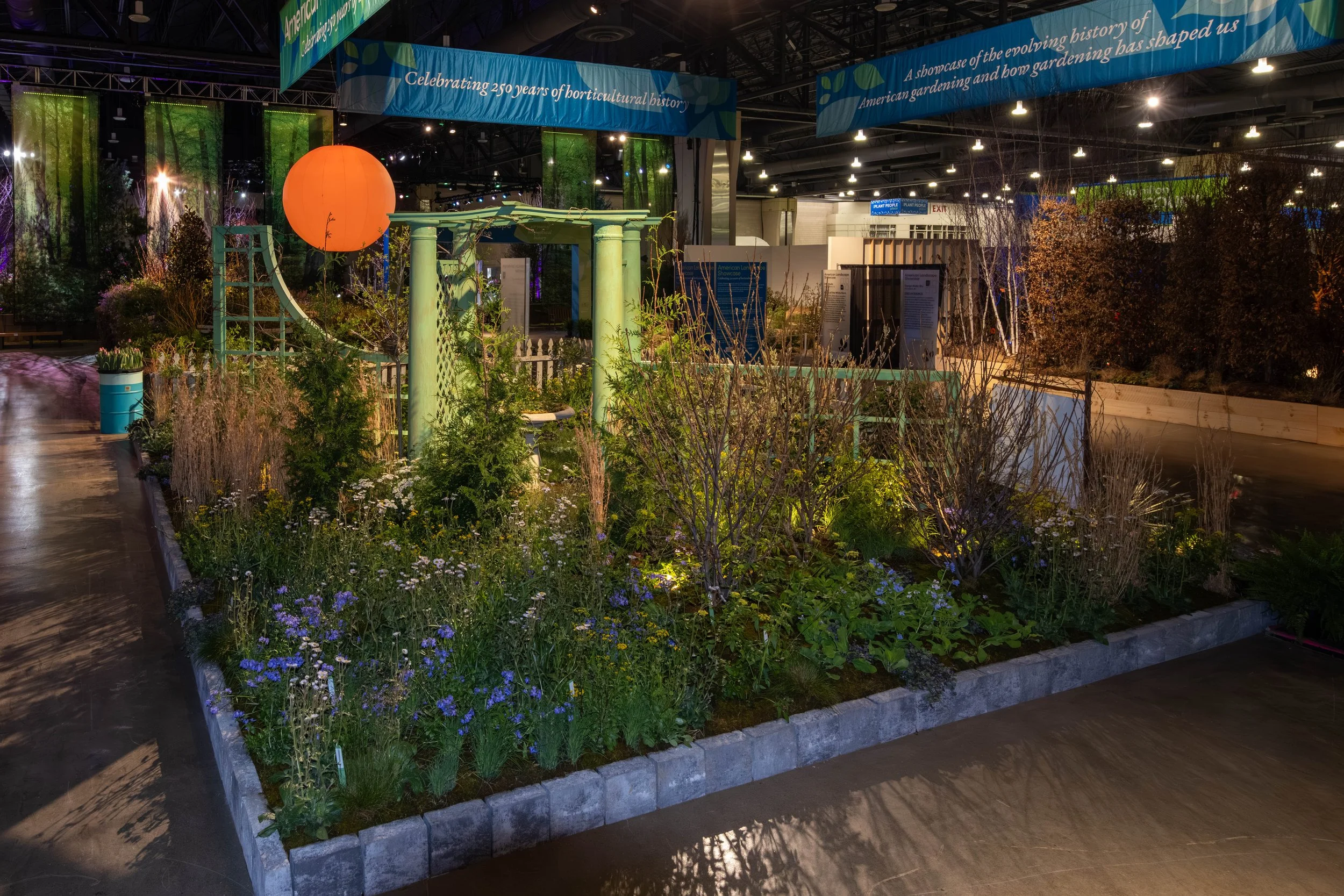
photo by Peter B. Blaikie
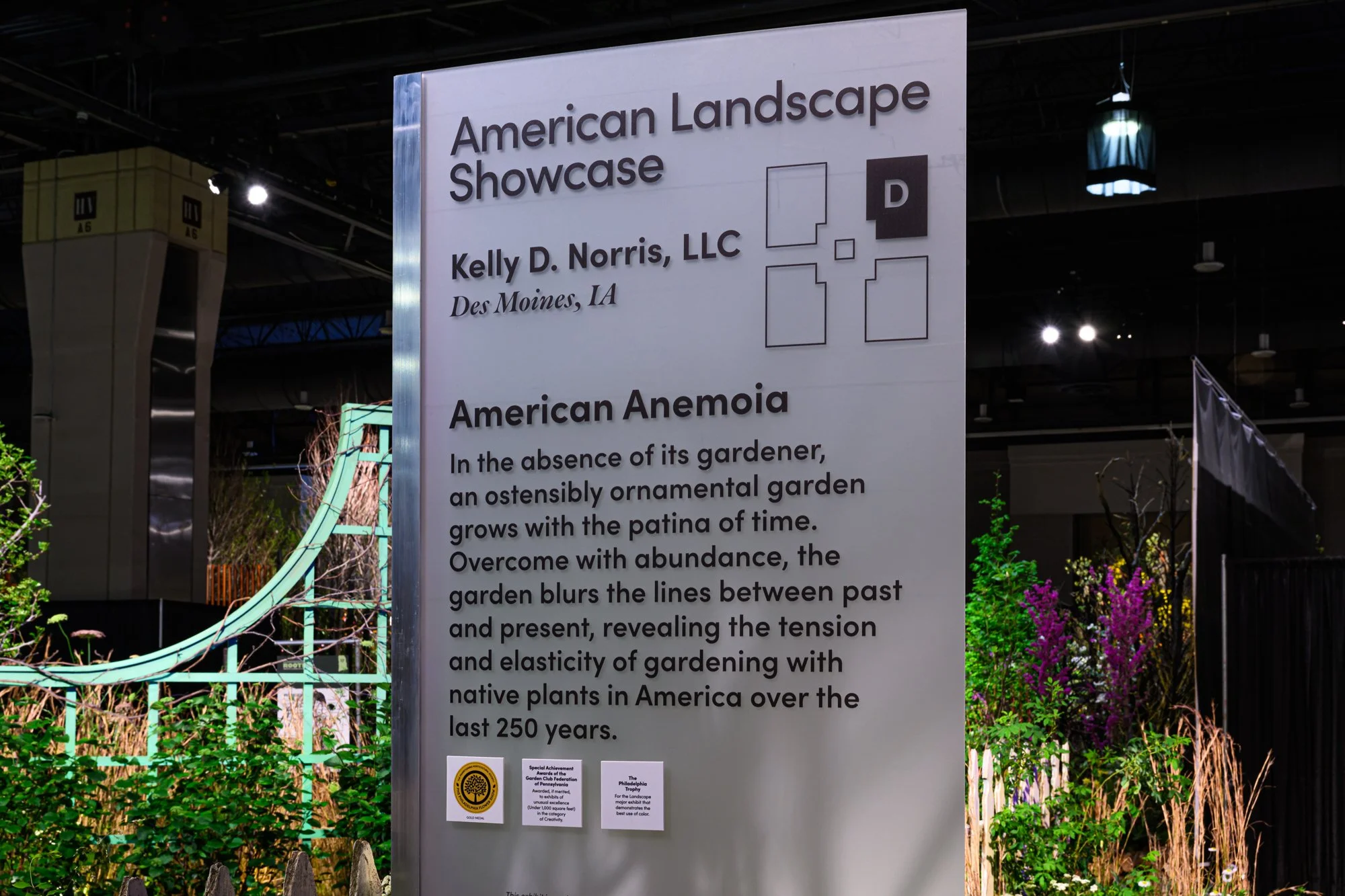
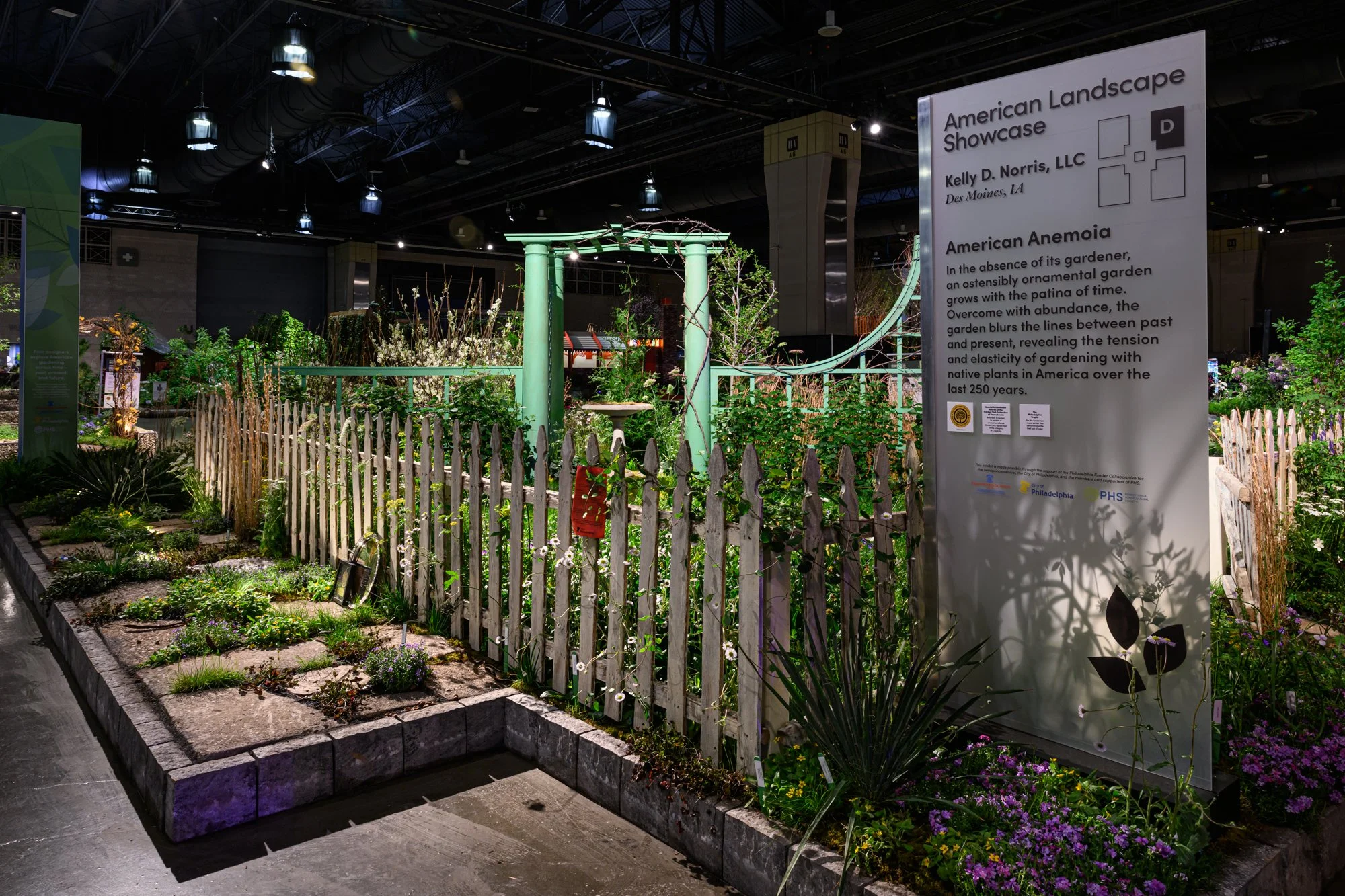
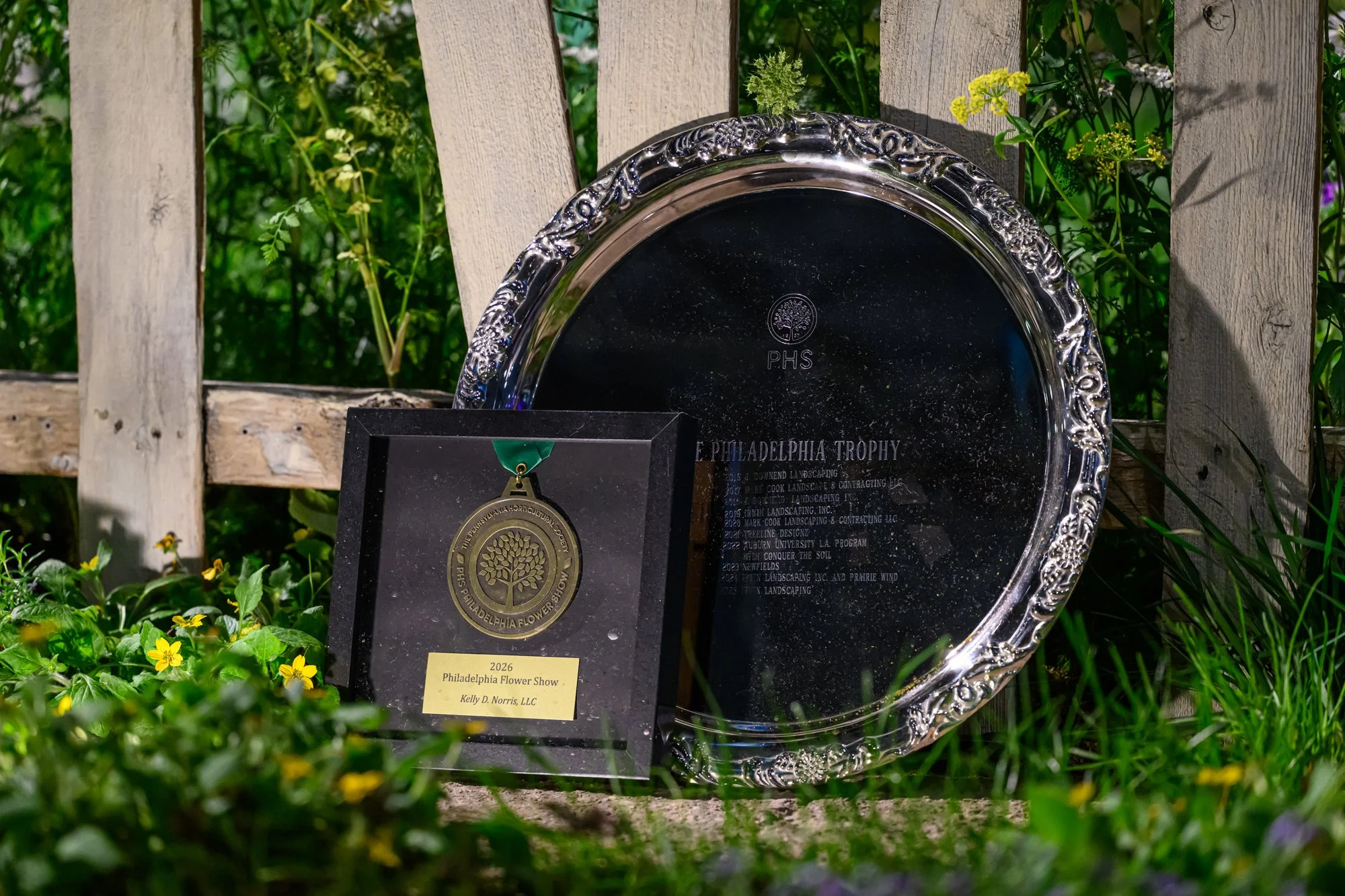
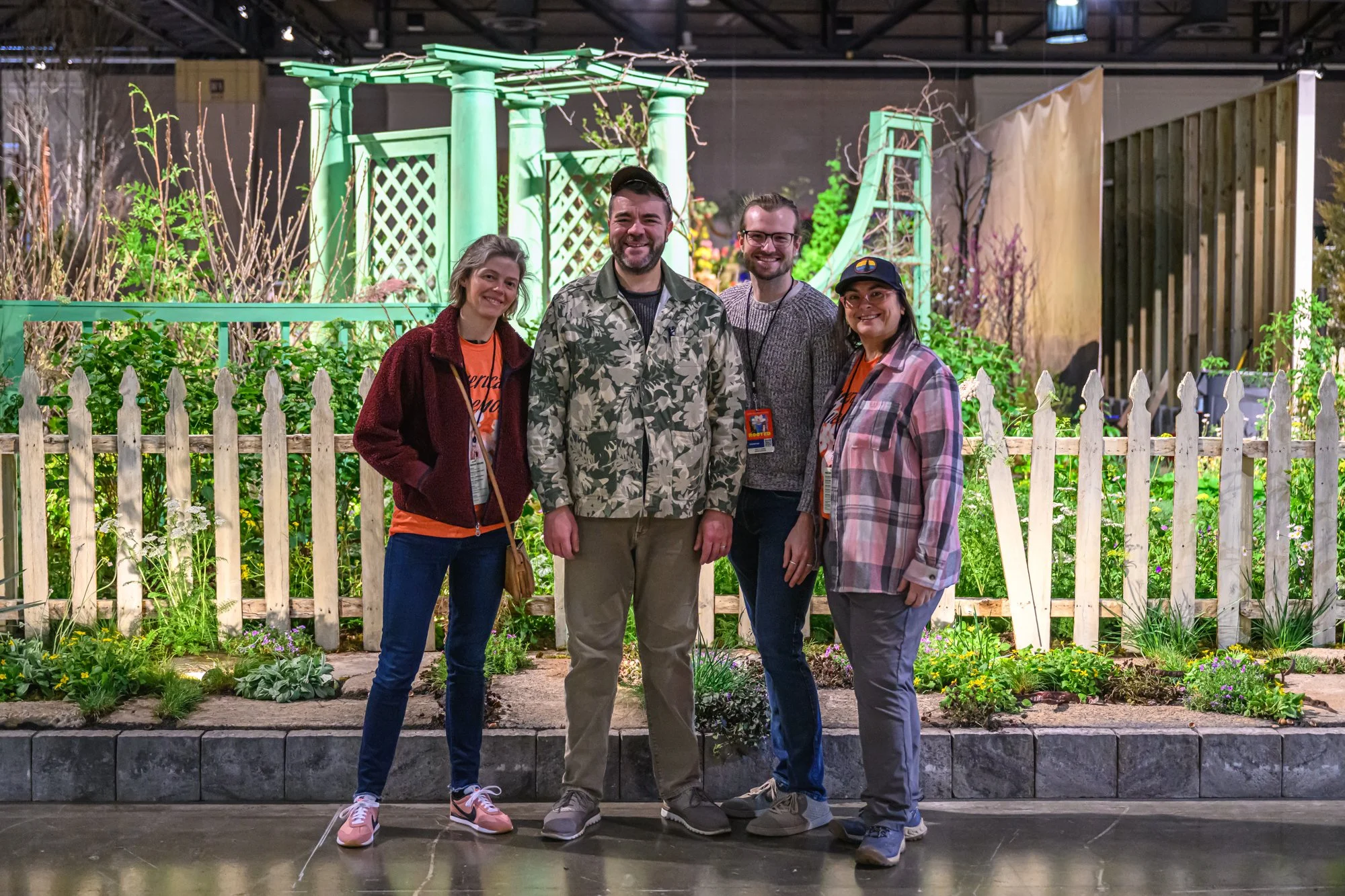
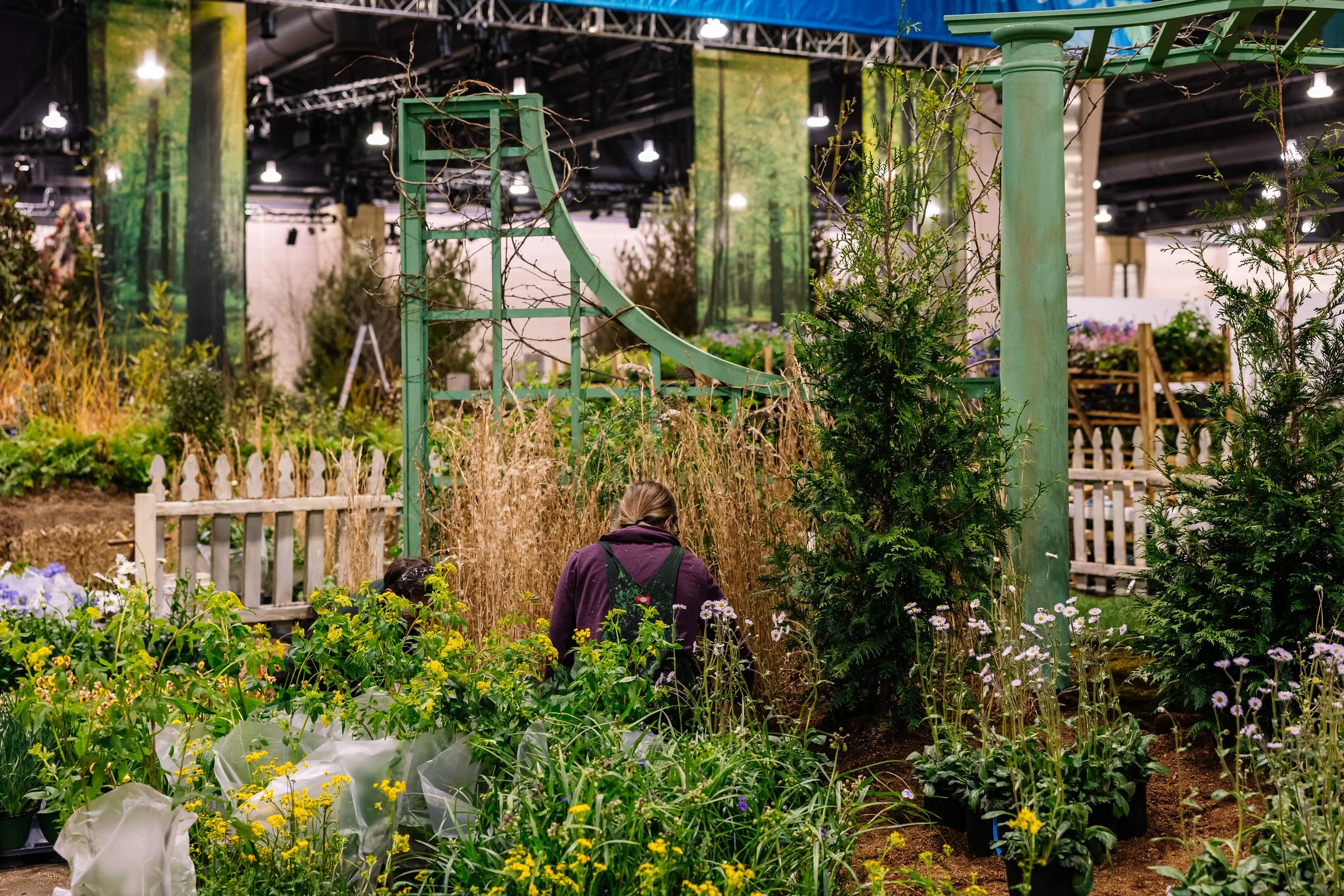
photo by Becca Mathias
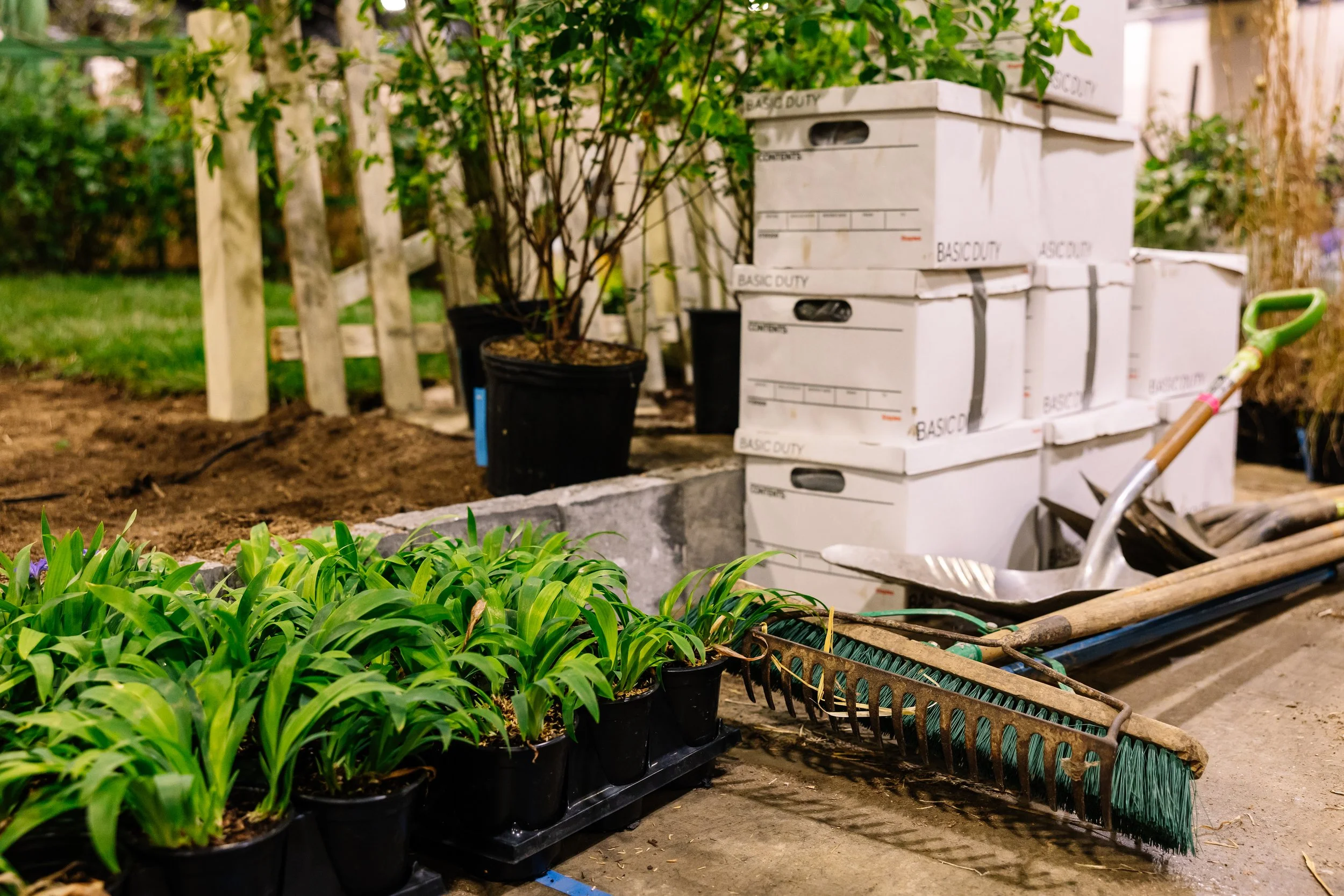
photo by Becca Mathias
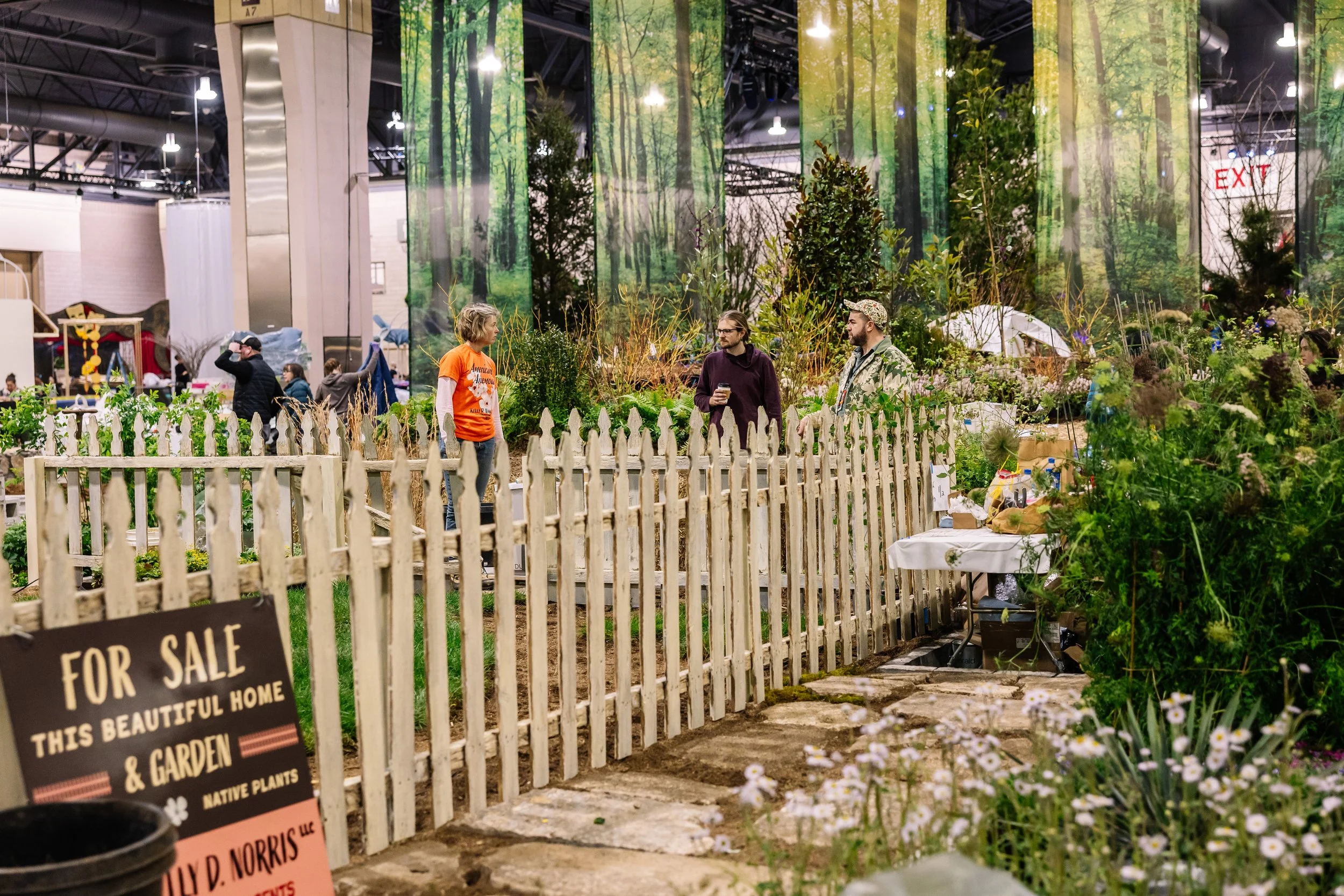
photo by Becca Mathias
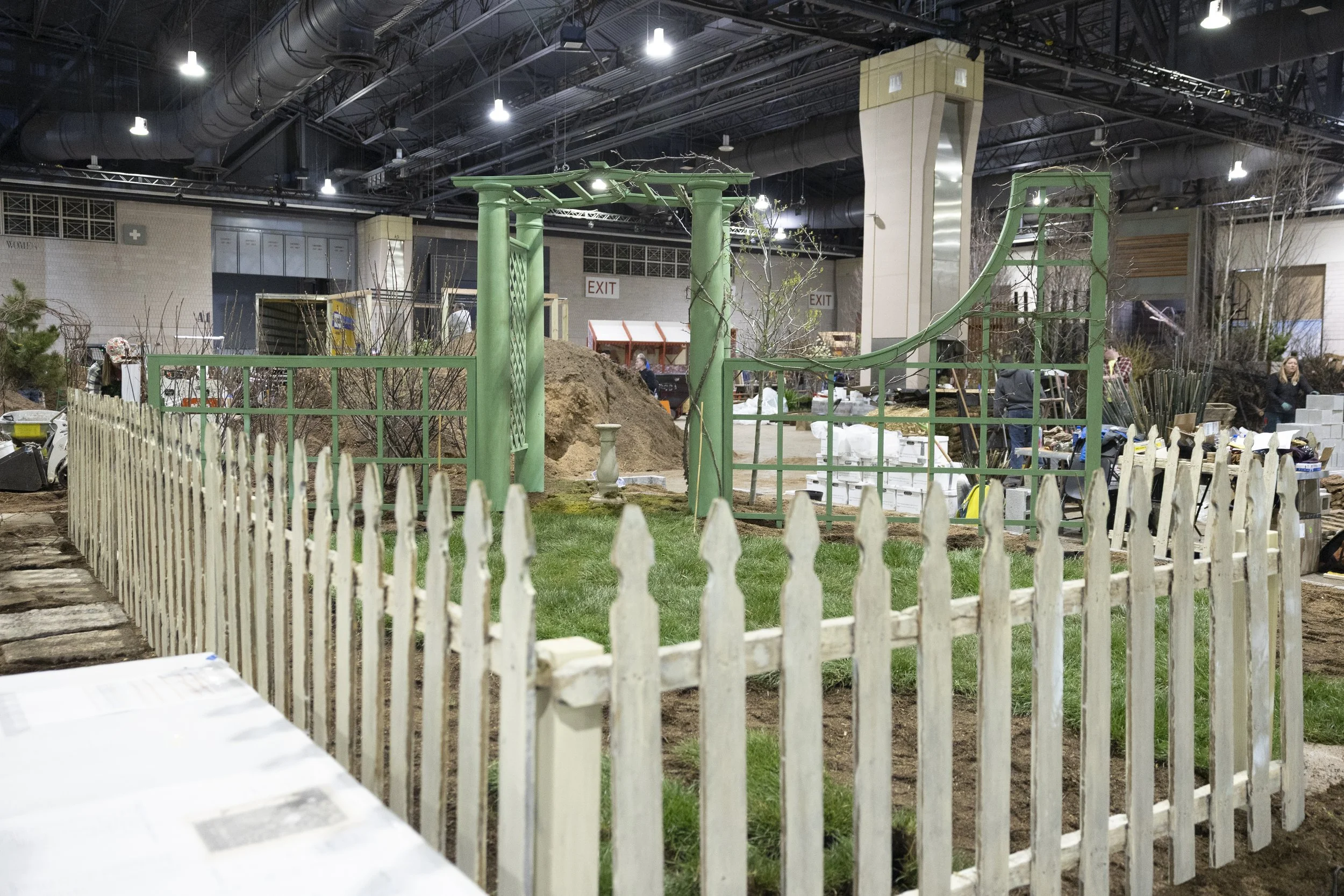
photo by Rachel Wisniewski
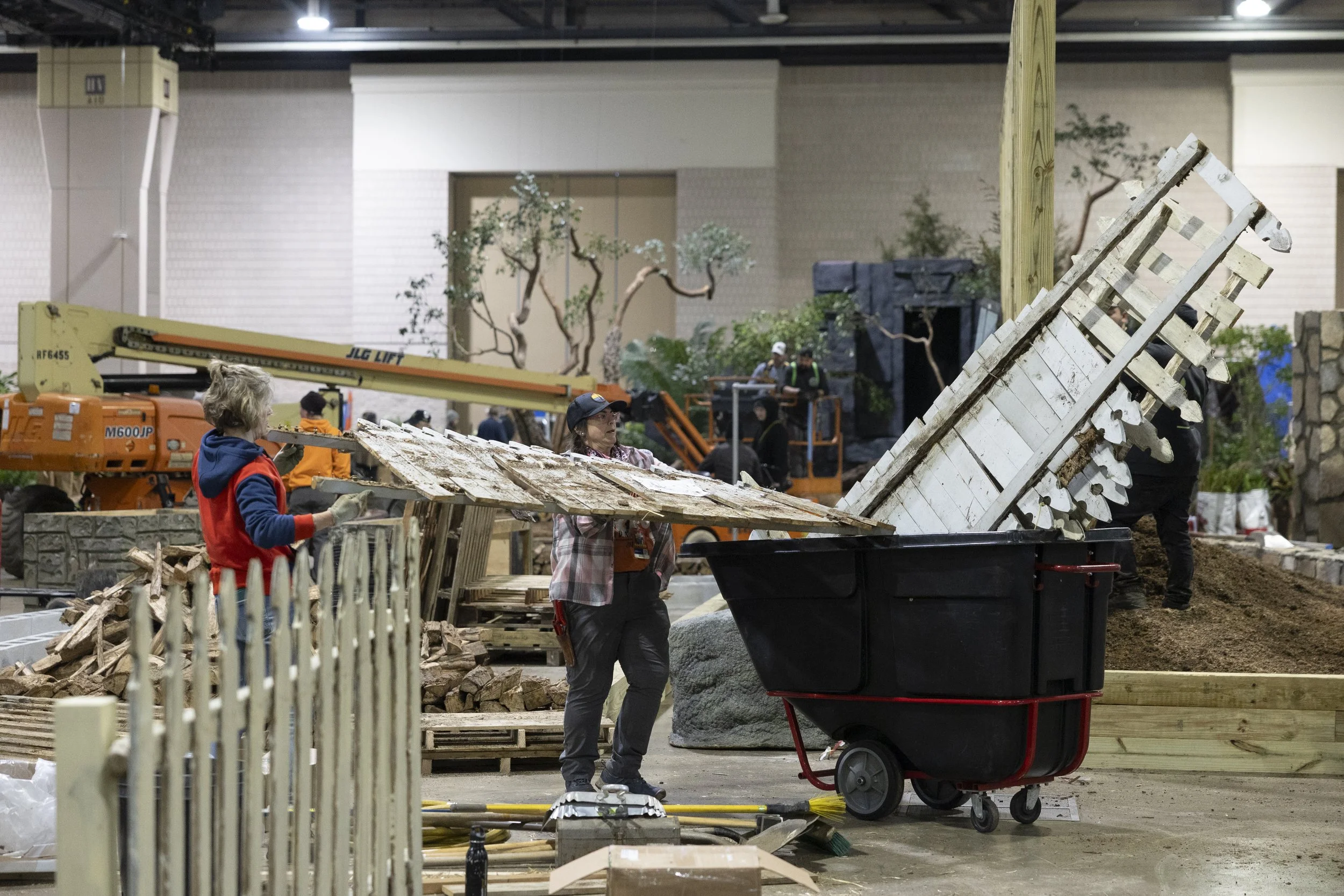
photo by Rachel Wisniewski
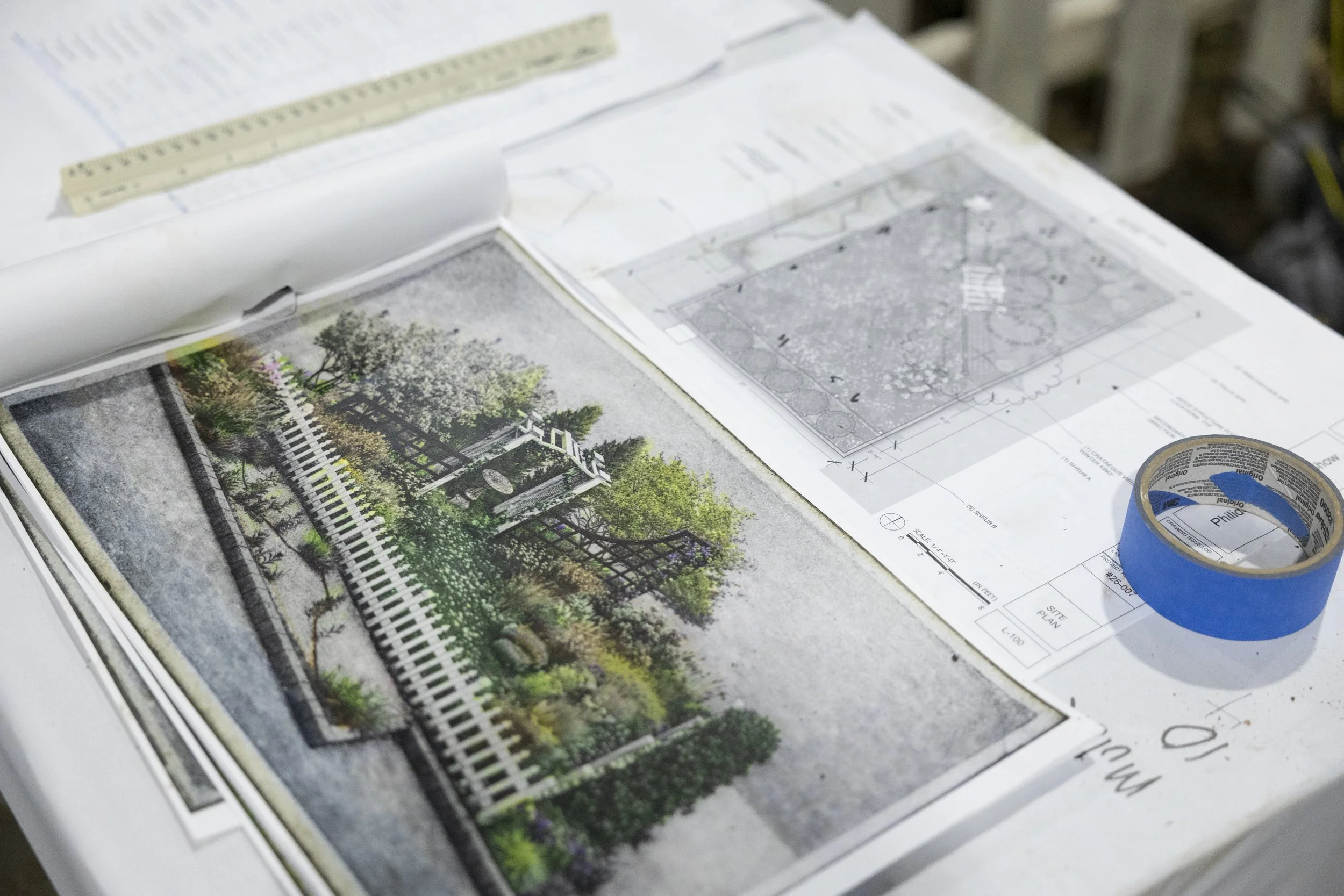
photo by Rachel Wisniewski
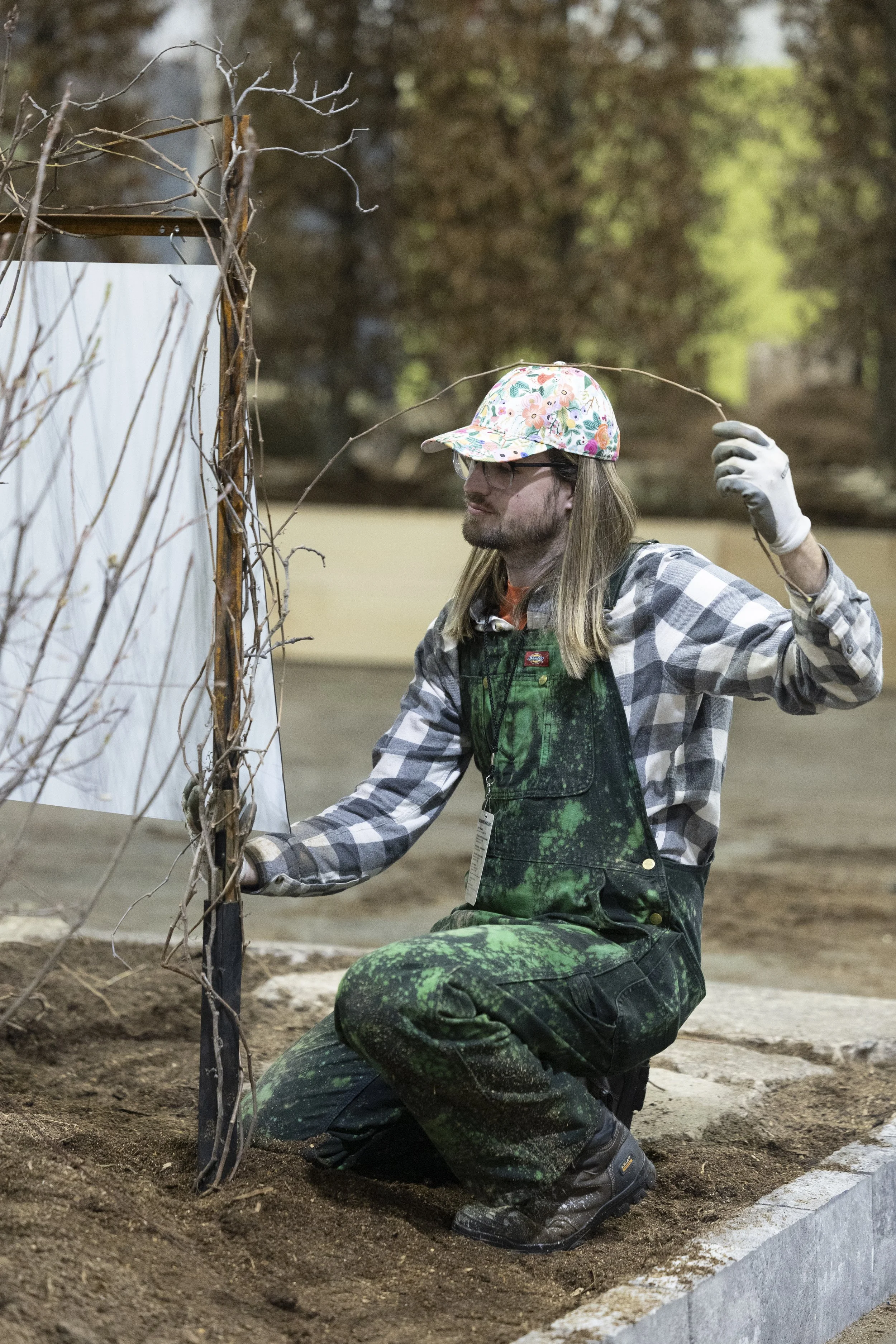
photo by Rachel Wisniewski
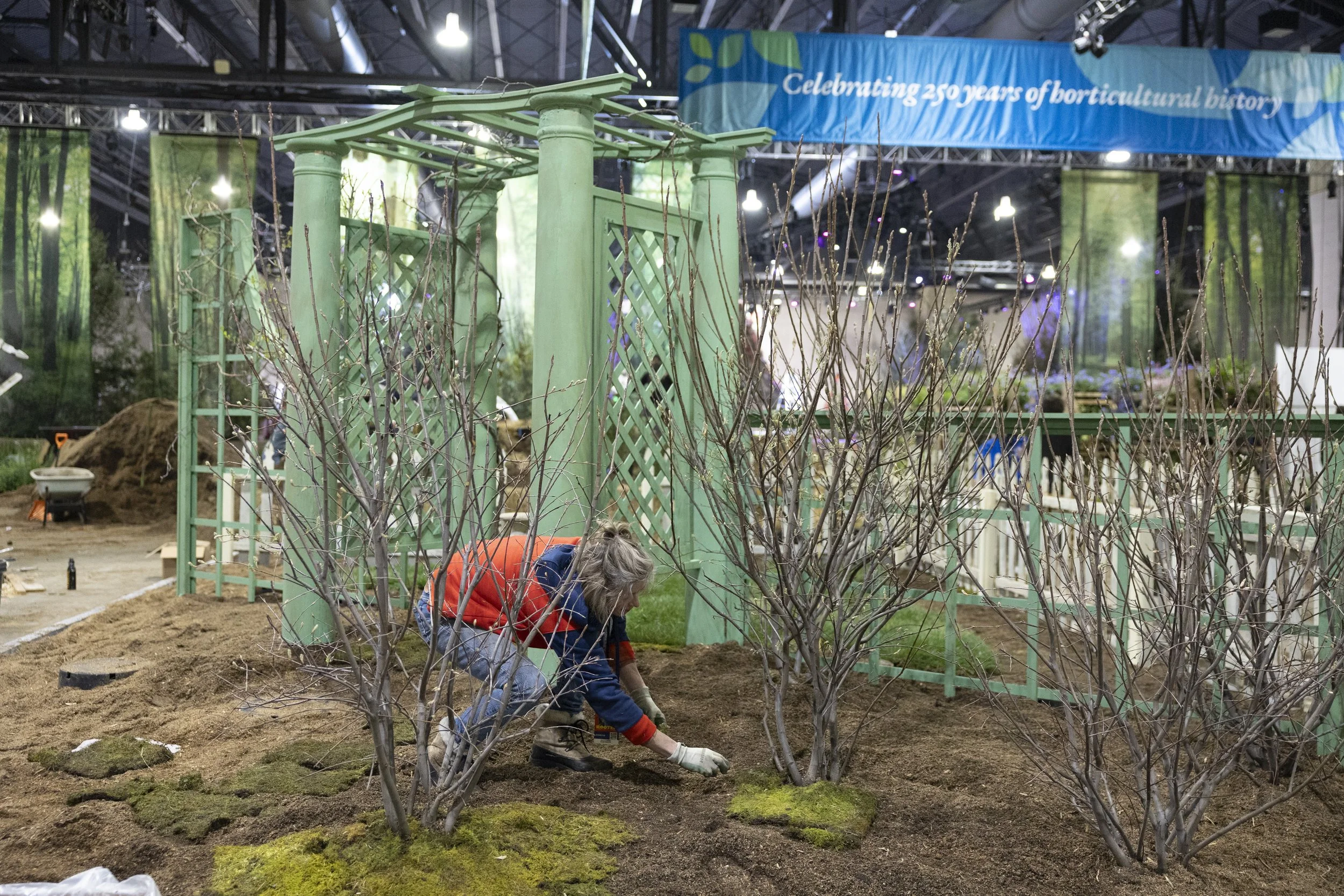
photo by Rachel Wisniewski
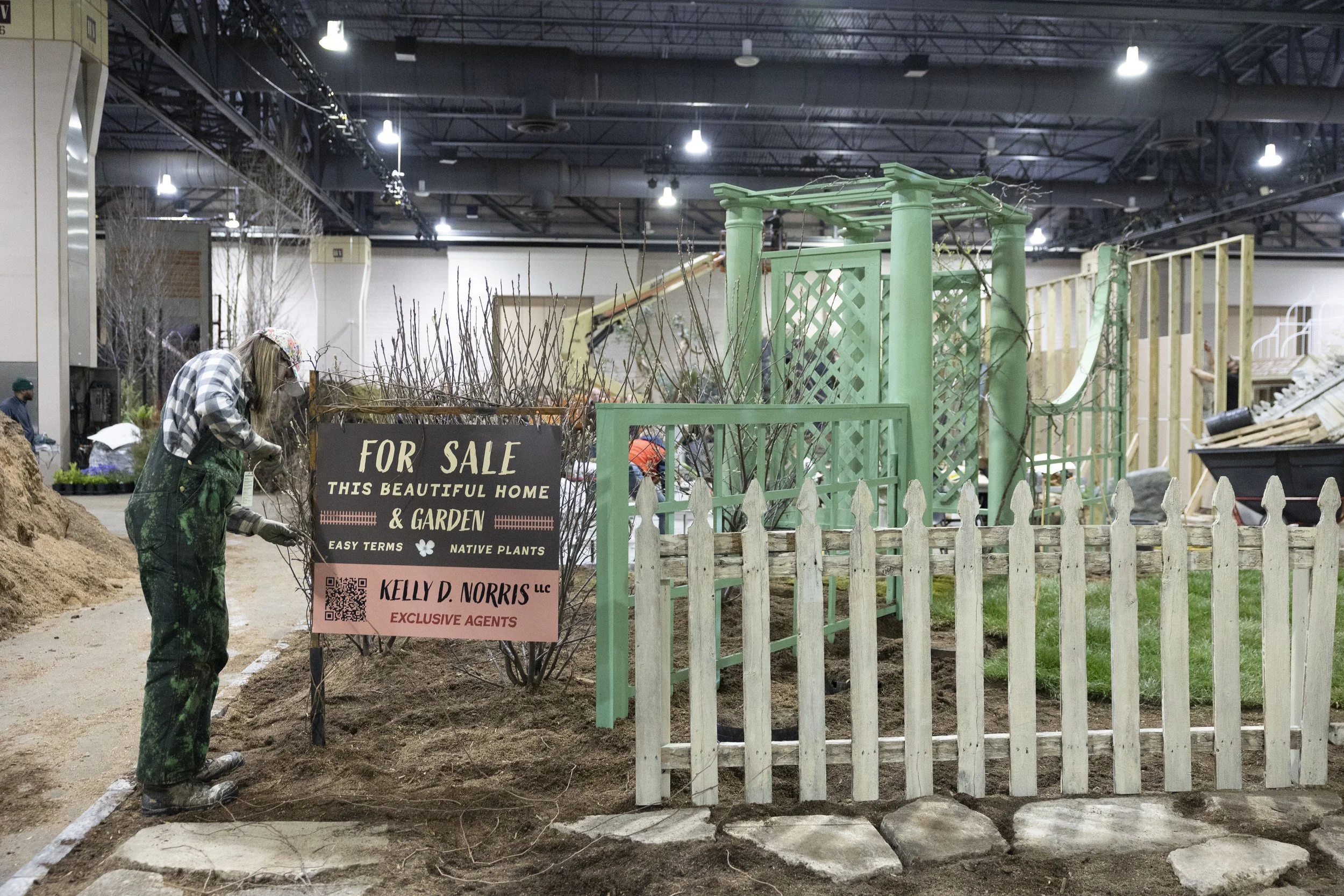
photo by Rachel Wisniewski
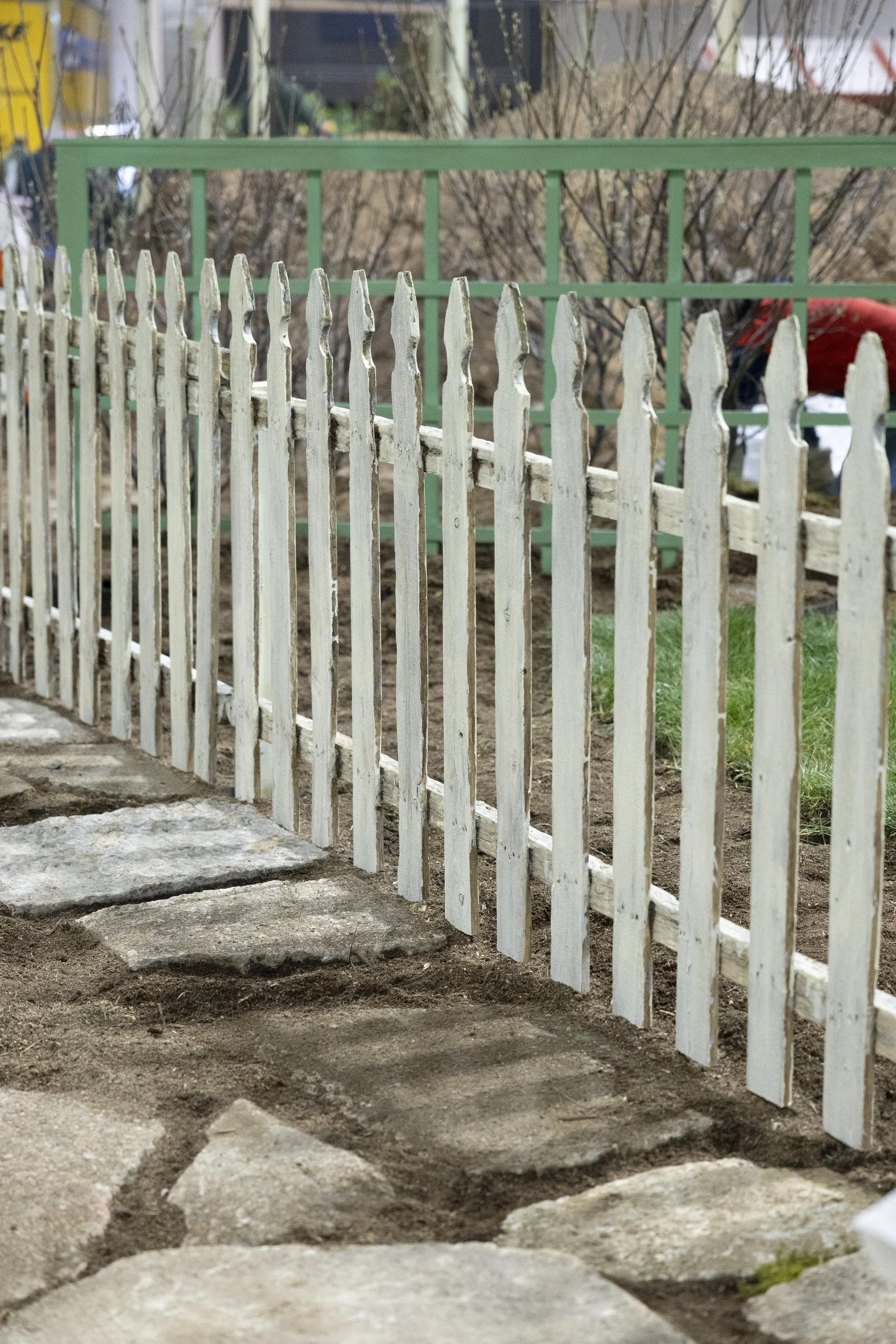
photo by Rachel Wisniewski