
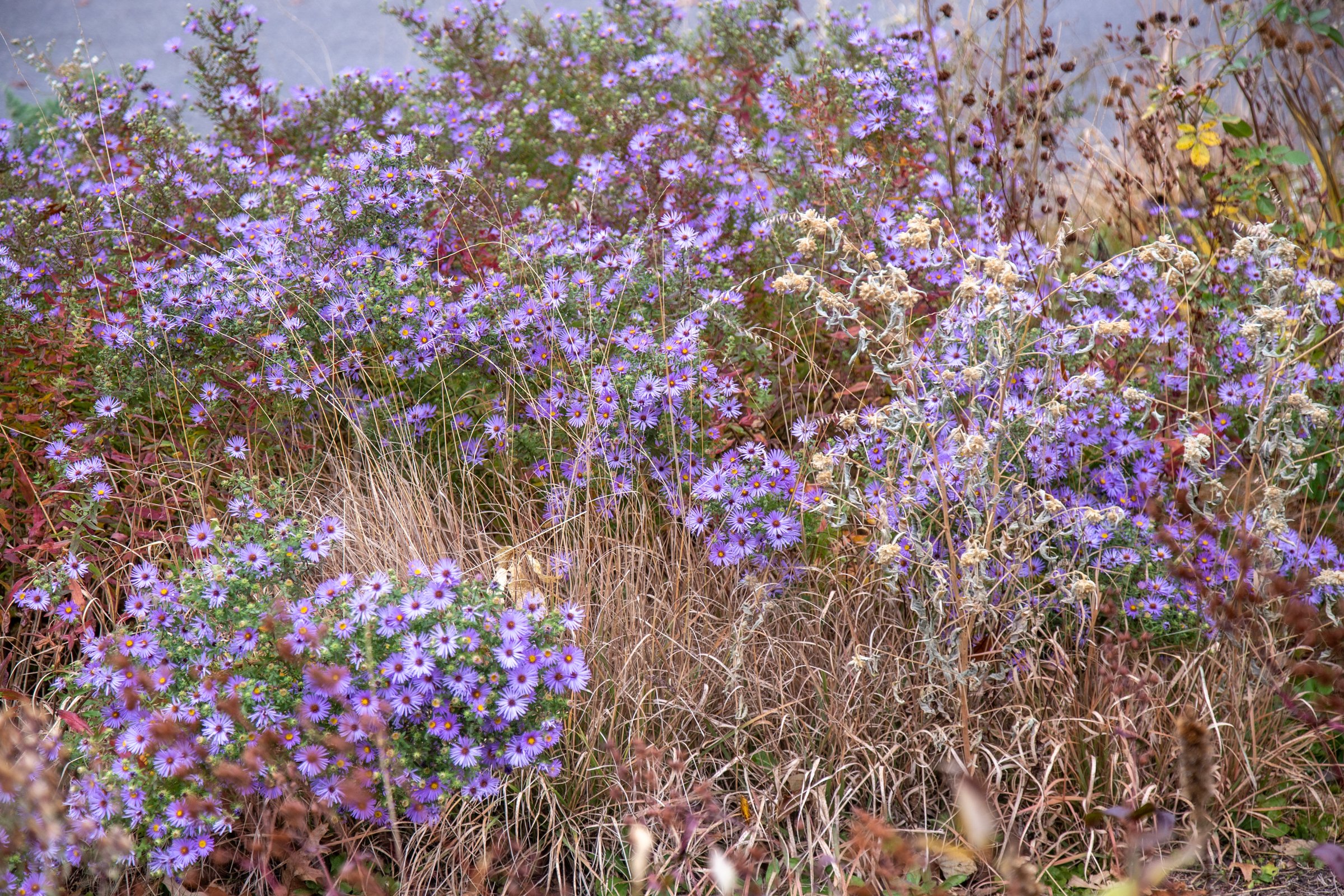
The Aster Roundup
There's never been a time in my gardening life when I haven't loved asters.
There's never been a time in my gardening life when I haven't loved asters. Their horticultural values (late-season color) are outpaced by their ecological ones (often keystone genera across their North American distributions). At Three Oaks, I grow nearly 50 different taxa at last count, a wide survey of plants now known from an array of genera, including Symphyotrichum, Eurybia, Ionactis, and Doellingeria to name a few. You could be forgiven for mistaking this list for an array of medical conditions, but they represent the latest markers on an ever-unfolding taxonomic frontier. As hallmarks of a recently evolved family, Asteraceae members have much to teach us about the intersecting lives of plants and insects.
This newsletter's mission has always been to put the lives of plants at the forefront of design and gardening. This essay, featuring nine species chosen somewhat randomly from my photo archives, began as a social media post. Meta shrewdly imposes character limits these days, seemingly out of an abundance of concern that the public might again discover the value of reading. I ran out of room for descriptions past number 4, so here is the full text, including notes on my experiences with herbivory. Please note, I can’t vouch for your local deer or rabbits. I’ve also abbreviated Symphyotrichum after the initial entry.
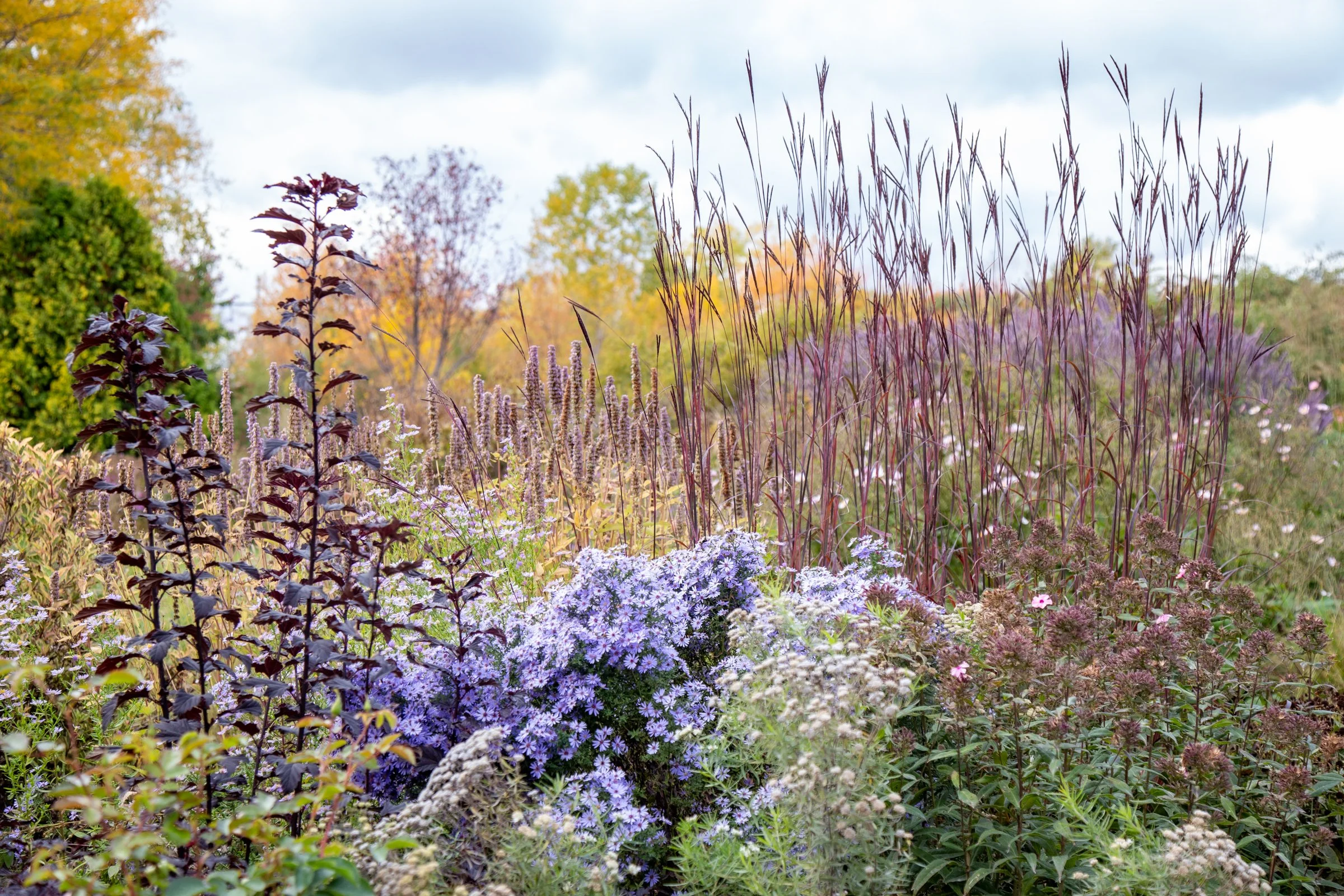
Symphyotrichum cordifolium 'Little Carlow' (Little Carlow heartleaf aster)
A popular garden selection with abundant flowers; photographed here in the plantings I designed for the Bailey Nurseries display garden. Often listed as a hybrid, but well within the realm of traits possible from that species. It certainly can form fertile seed with other S. cordifolium nearby, offspring of which are not “true to type,” but often equally useful. Somewhat palatable to deer.
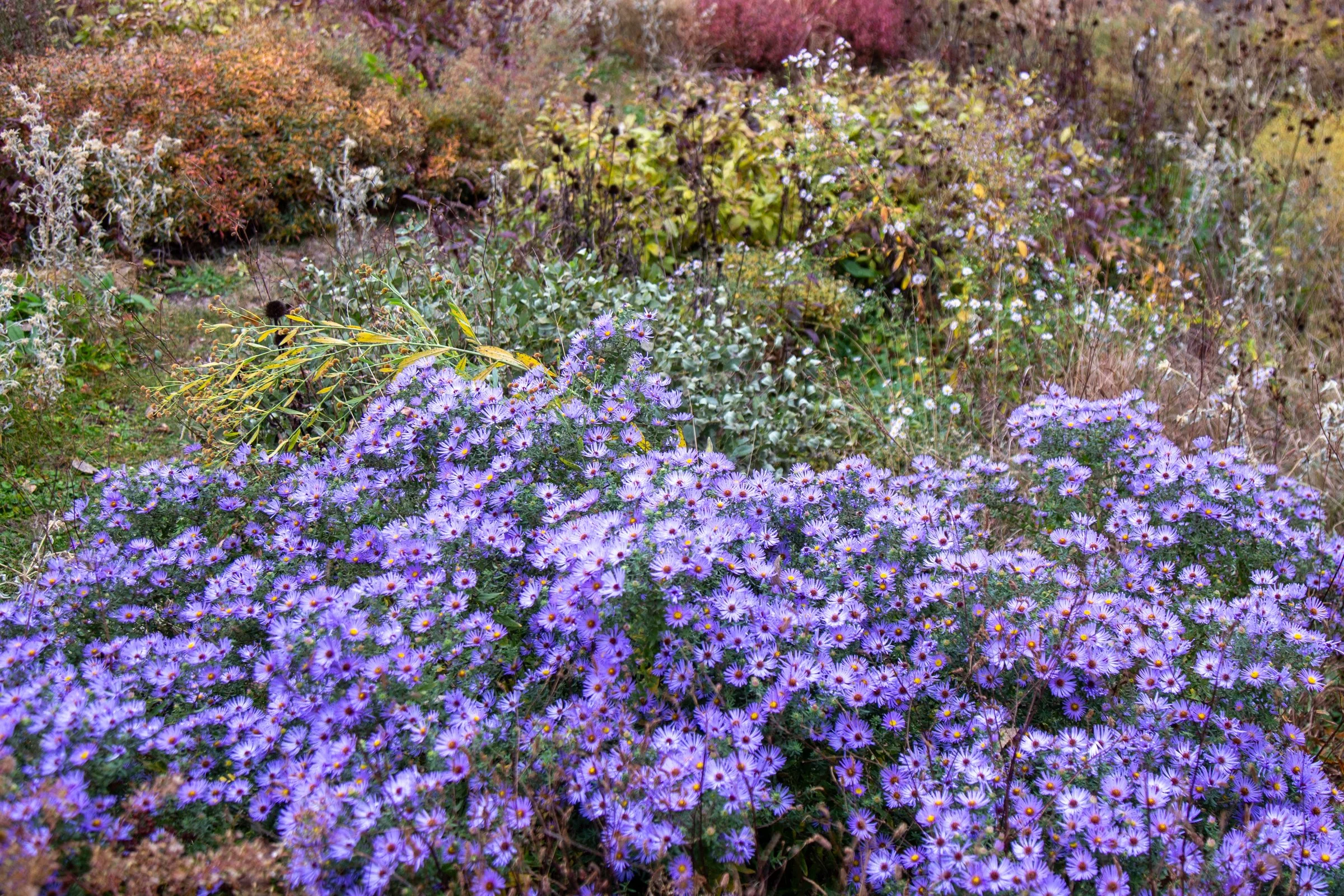
S. oblongifolium 'Raydon's Favorite' (Raydon's Favorite aromatic aster).
A titanic form of this species from Tennessee, billowing into a blue cumulonimbus cloud in October. We use it in places as an herbaceous hedge to define apertures along paths and transitions in the garden. It needs plenty of room (i.e., probably not best in small gardens), but it’s worth the allocation. Pollen-rich flowers are a boon for fall-foraging bees (for empirical confirmation, see this paper. Named by Allen Bush after the plantsman Raydon Alexander, of San Antonio, Texas (pronounced “rayed-en”). Rarely browsed by deer.
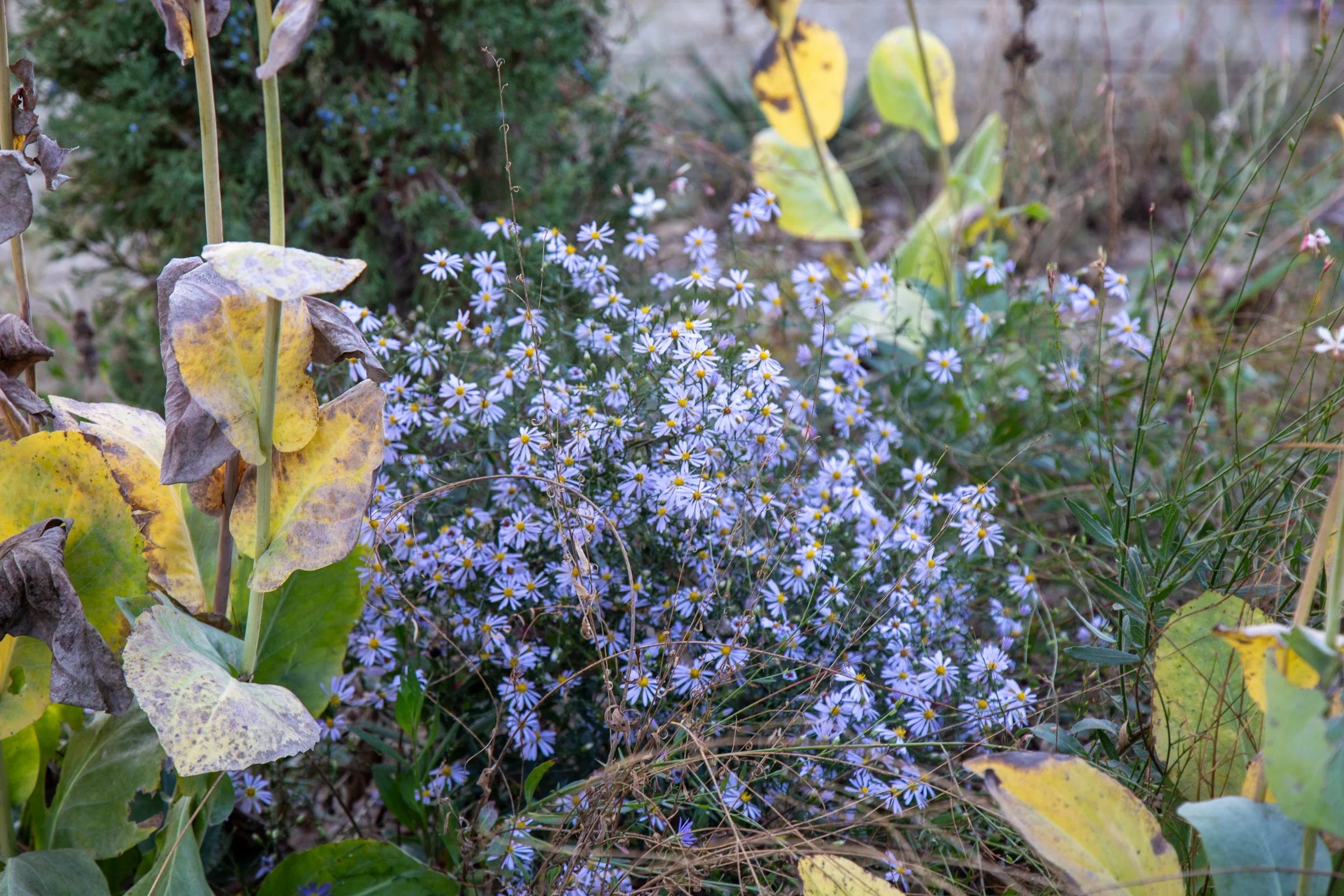
S. turbinellum (blue prairie aster)
We grow several forms of this plant, some from nurseries and others from our own wild-collected seed. In its native haunts, you’ll find it at the edge of dry woods, glades, and bluffs, but it also ventures into open prairie areas. Nearly transparent, wiry dark green stems lurk in the garden mass until late September when waves of sky-blue flowers overcome their forms. A larval host of pearl crescent butterflies. Somewhat palatable to deer when young, but unbothered late in the season.
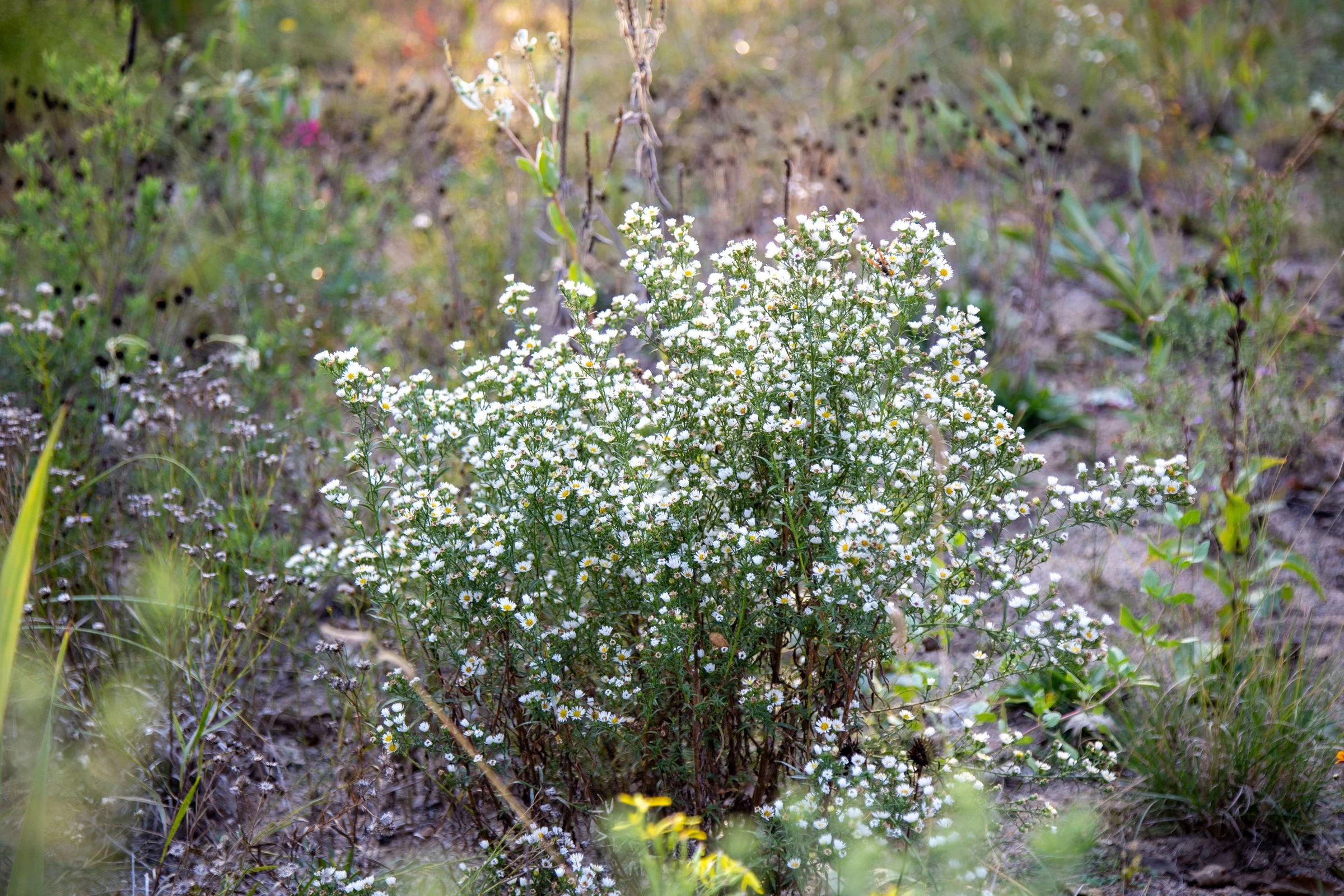
S. pilosum (frost aster)
I have fond memories of walking through this plant in road ditches and hayfields as a kid, keenly aware of its buttery, sugary fragrance on warm autumn afternoons. Most consider it feral and weedy, traits at least partly explained by the seemingly infinite constellation of bees, lepidoptera, flies, and more that facilitate its reproductive biology. (The majority of Symphyotrichum and other asters are self-incompatible, meaning if you see them seeding around, there’s a good chance a pollinator or three are doing their job.) Sucking insects find its foliage palatable, which partly contributes to its occasionally bedraggled appearance throughout the season. Best propagated from a handful of fluffy seeds collected in the nearest abandoned parking lot, assuming you live in the eastern half of the U.S. Responds readily to cutting back and even shaping. Rarely browsed by deer.
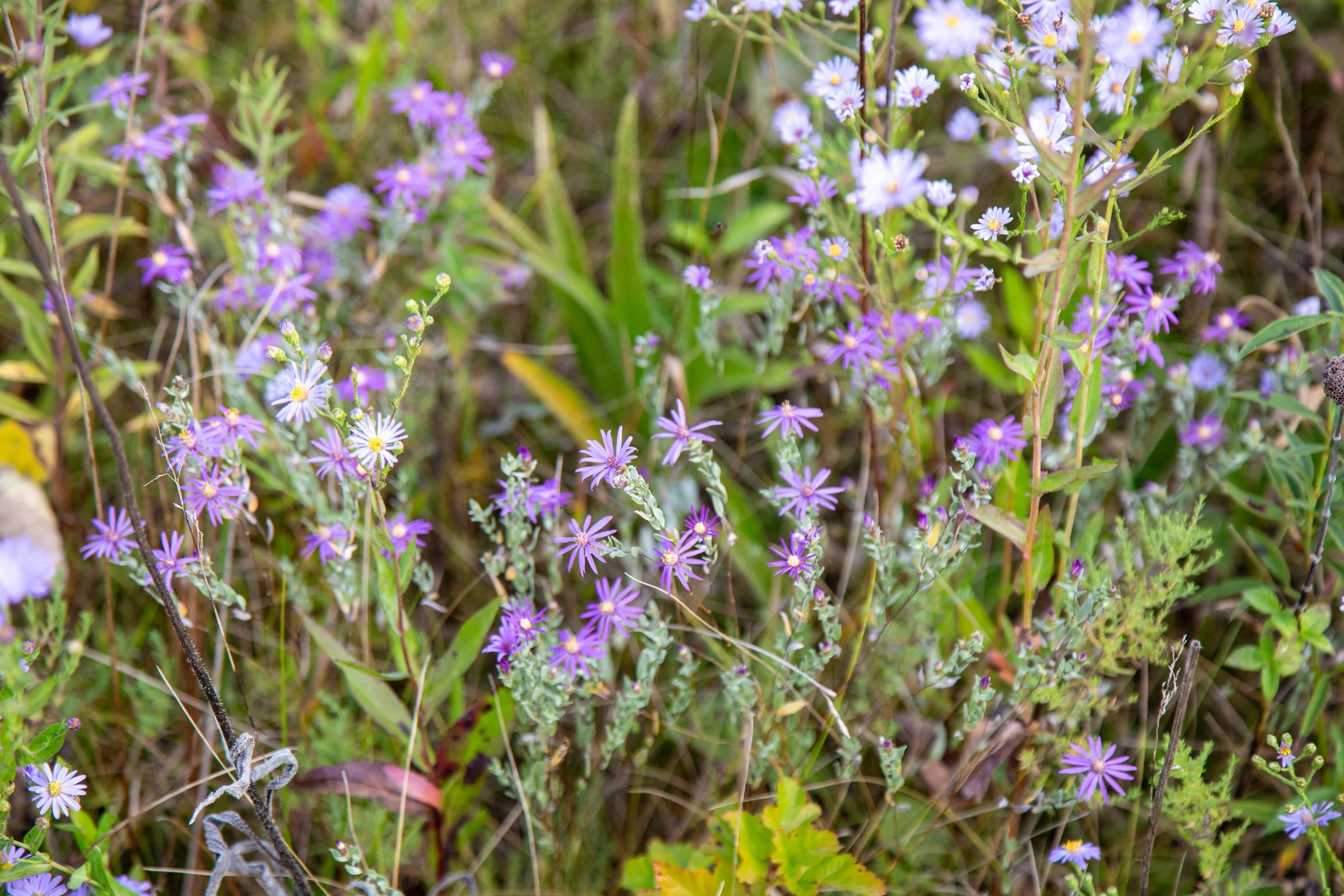
S. sericeum (silky aster)
Of any in this roundup, silky aster lurks most in obscurity. Its foliage appears silver at a glance, but is actually covered in fine hairs that produce its namesake texture. Dry-footed and resentful of overhead competition, it’s a prime candidate for a gravel or scree garden, where I first came to know it some 18 years ago. I obtained my first plants from Roy Diblik at Northwind Perennial Farm, when it seemed quite choice and rare, and I treasured its amethyst-tinted flowers that first autumn as they sprawled through nearby Sporobolus heterolepis (prairie dropseed). More native plant nurseries carry it today. Unfortunately, quite palatable to deer and rabbits, especially when young. As plants age, they seem less inclined to feed on them.
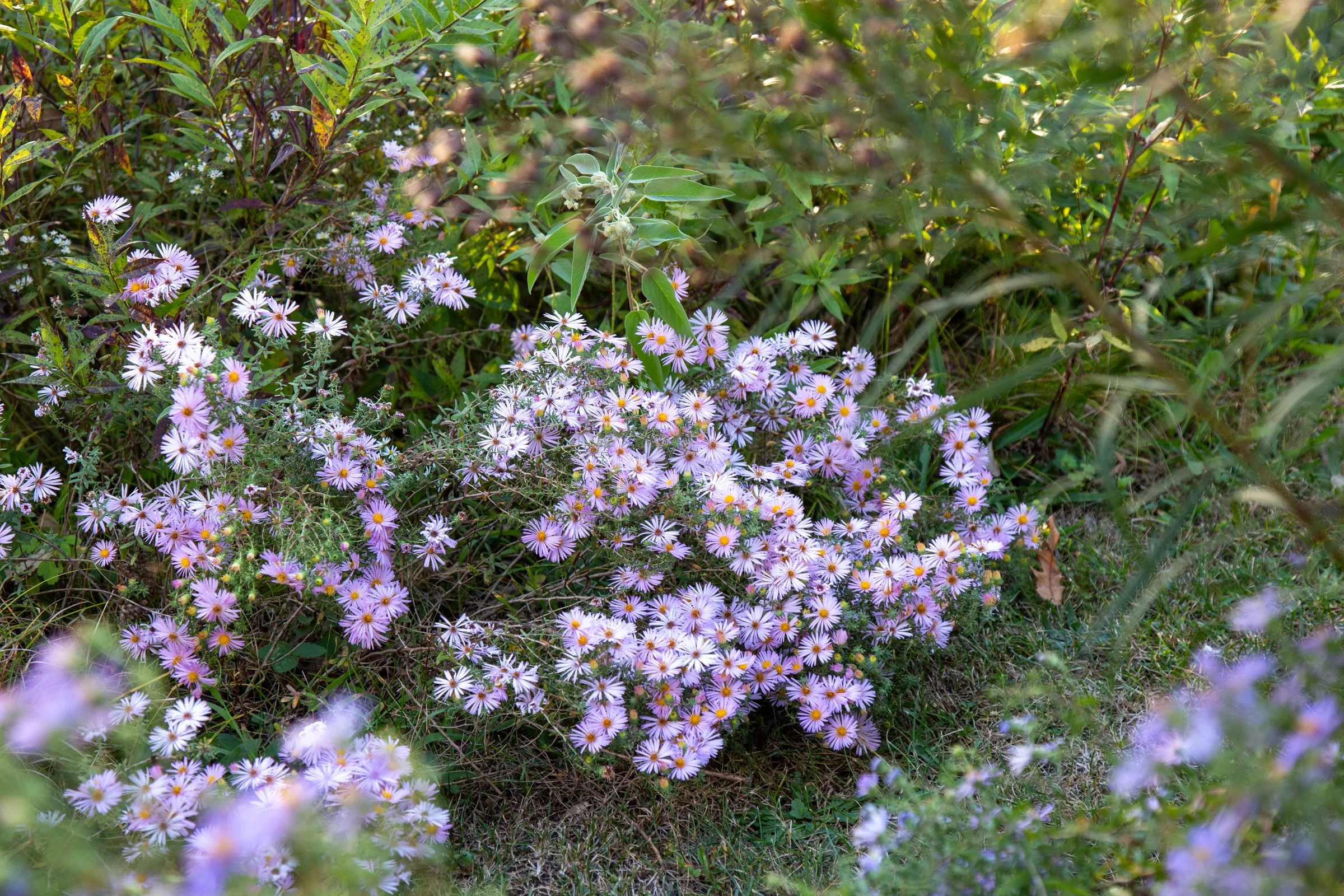
S. oblongifolium ‘Dream of Beauty’ (Dream of Beauty aromatic aster)
Named by legendary Great Plains plantsman Claude Barr in the mid-20th century, this sugary pink-flowered aromatic aster has held a special place in many gardens I’ve made. It seems to flourish in everything from clay to gravel, though it thrives abundantly on the drier end of the spectrum. With Bluebird Nursery's closure this fall, we’ve lost, for now, the only wholesale source for this selection. It’s possible a few specialist nurseries persist in offering this form, which should be widely planted in the northern Great Plains and Front Range given its Black Hills origins. Its habit is more conservative than genotypes from farther south and east. As with other named forms, its seedlings tend to vary in shades of pink and blue. This is what asters do thanks to the industry of pollinators. Embrace it. Rarely browsed by deer.
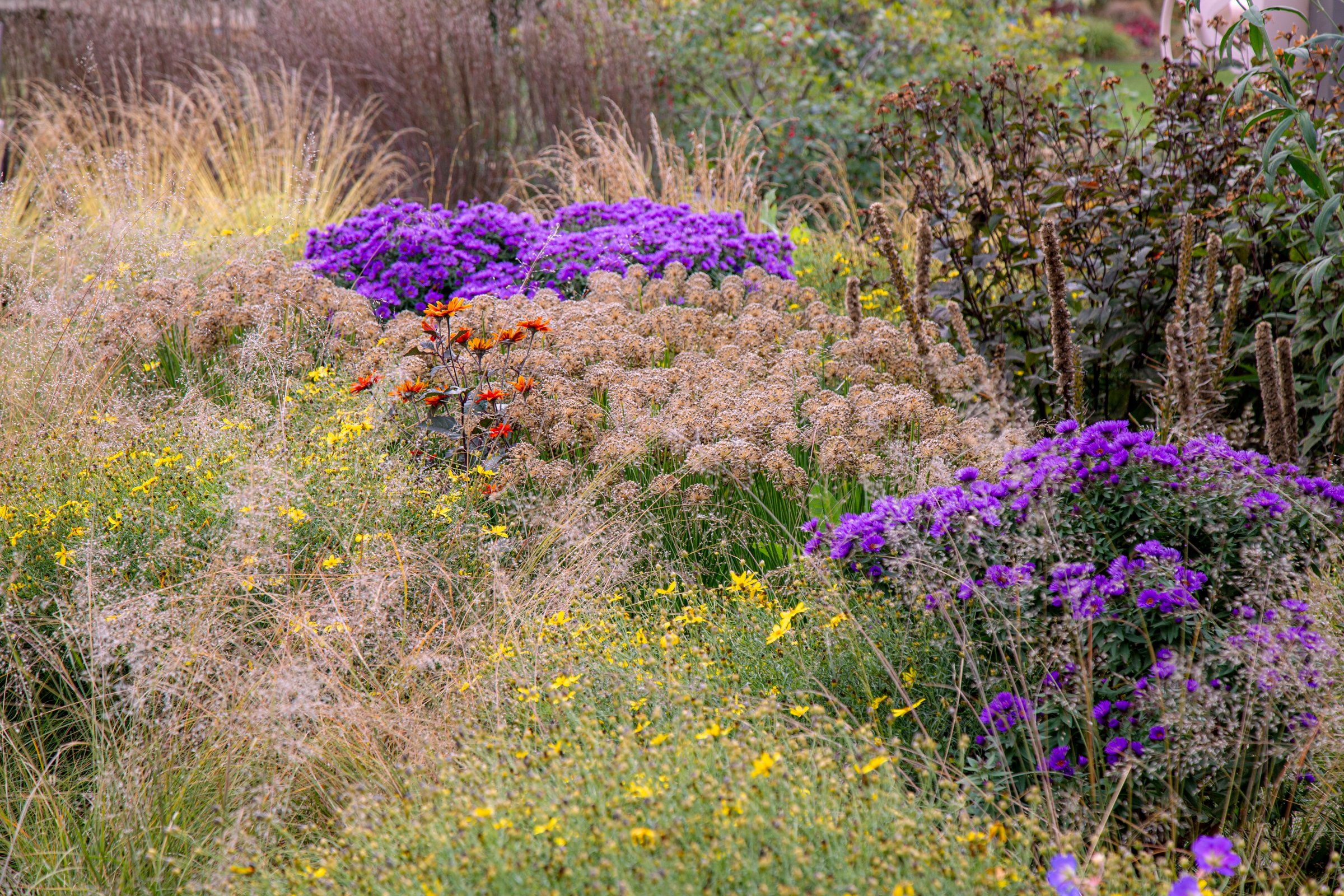
S. novae-angliae ‘Purple Dome’ (Purple Dome New England aster)
I’ve never been particularly enamored with New England aster, even though it's our most common prairie aster. Horticulturally, it’s one of my least favorites because it can get gangly and unruly by the time it blooms. Ecologically, however, it’s invaluable. Plant people with keen eyes have sought compact forms and named several, like ‘Purple Dome’, which certainly reduces the unsightliness of its leafless stems, even though it’s still prone to flopping. It’s also been shown to rank poorly with pollinators in comparative trials done in eastern states like Pennsylvania and Vermont. I haven’t designed it into a garden in several years, preferring newer selections with even better habits, like ‘Grape Crush’, and pollinator appeal, like ‘Thunderdome’. Often browsed by deer and rabbits, especially in spring.
S. oolentangiense (azure aster).
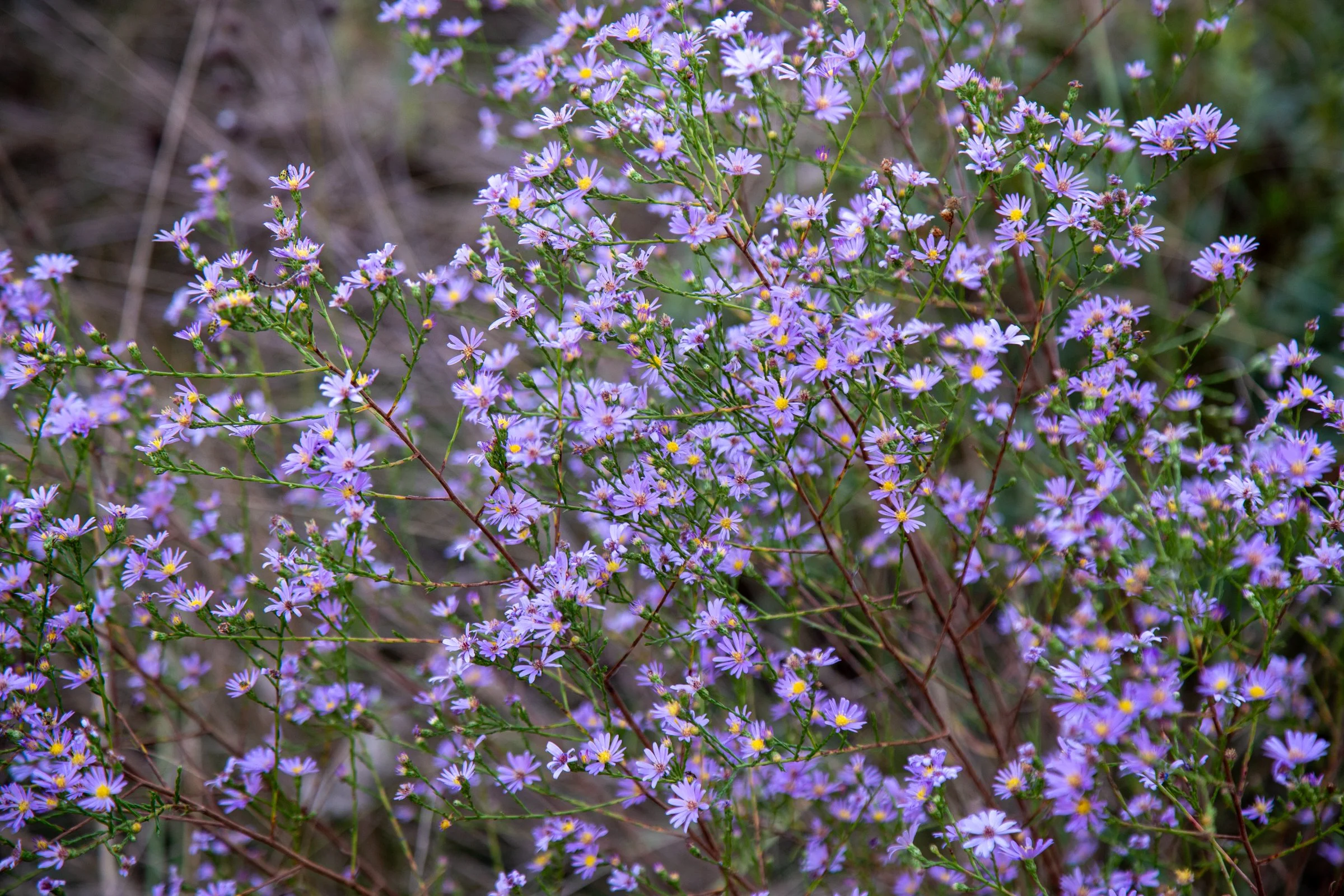
Emerging from a rosette of distinctly heart-shaped leaves with the texture of fine-grain sandpaper, this species is a garden phantom for most of the season. Fine-line stems, only occasionally more reddish than green, hide behind the broad brushstrokes of summer perennials. In September and October, it underscores its merits in shades of azure, periwinkle, and violet, always accented by bright gold disk flowers. While decidedly Midwestern in its geography, it grows in conditions as varied as dry prairies to open woods. Ecologically, you could say it has a wide amplitude. At Three Oaks, we’ve flecked it throughout the sandy soils of The Romp for that bit of blue at just the right moment. It’s only now coming into flower as I write this. Rarely browsed by deer.
S. laeve ‘Climax’ (Climax smooth aster)
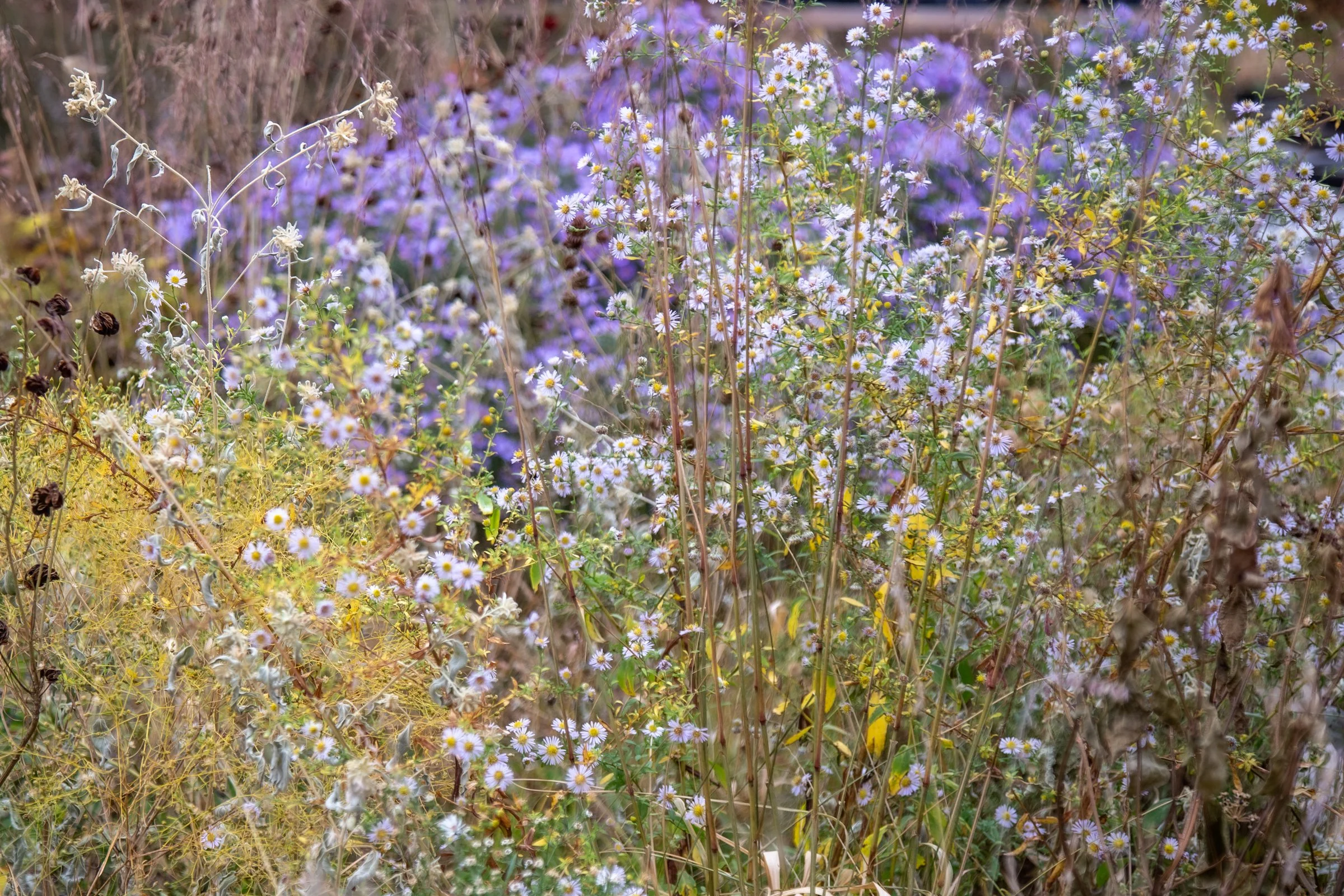
Smooth aster and its many named permutations deserve wider consideration in gardens, as it’s one of the more widely distributed Symphyotrichum species in the United States, stretching from eastern Washington south to western Texas and northeast to Maine. In common garden trials I’ve done, genotypes from across the map flower from July through frost and thrive in everything from sand to clay. ‘Climax’ thrives in the latter and marks the end of the flowering parade for this species, with widely arched, three-foot flowering stems exploding like fireworks. Its only downside is that deer readily browse it throughout the growing season. The silver lining? They just save you the work of the Chelsea chop.